-
Mon-Fri: 10AM to 8PM 01722665665
-
My Account
-
-
0
Total :
₹ 0.00

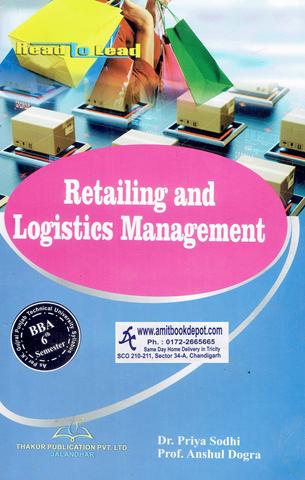
Yes, this textbook is meticulously crafted to align 100% with the prescribed PTU syllabus for the course BBA 612-18, Retailing and Logistics Management.
Yes, Unit I includes a dedicated section on Online Retailing (E-tailing), discussing its role within multichannel retailing strategies.
The book contains specific chapters and sub-sections, such as "Retailing in India" and "Logistics in Organized Retail in India," that analyze the unique challenges and opportunities within the Indian retail landscape.
Yes, Unit III is entirely dedicated to Merchandise & Store Management, with specific chapters on Store Management, Store Layout, Store Design, and Visual Merchandising.
Yes, Unit IV clearly defines and explains the distinction between Supply Chain Management (SCM) and Logistics Management, a common point of confusion for students.
Unit I covers Customer Buying Behavior in Retailing, including types of buying decisions, the buying process, and the social factors that influence these decisions.
While it is optimized for PTU students, the comprehensive coverage of retailing and logistics fundamentals makes it a valuable resource for students of other universities with similar curricula.
Yes, Unit II includes a section on Financial Strategy in Retail, which is essential for understanding the economic viability of retail operations.
Unit IV explores the direct relationship between Customer Service and Logistics, explaining how efficient logistics operations are crucial for delivering on customer promises and enhancing satisfaction.
Yes, a dedicated section on Retail Brand/Brand Management in Retailing in Unit III discusses how retailers can build and manage their own brands to foster customer loyalty.
Yes, this textbook is meticulously crafted to align 100% with the prescribed PTU syllabus for the course BBA 612-18, Retailing and Logistics Management.
Yes, Unit I includes a dedicated section on Online Retailing (E-tailing), discussing its role within multichannel retailing strategies.
The book contains specific chapters and sub-sections, such as "Retailing in India" and "Logistics in Organized Retail in India," that analyze the unique challenges and opportunities within the Indian retail landscape.
Yes, Unit III is entirely dedicated to Merchandise & Store Management, with specific chapters on Store Management, Store Layout, Store Design, and Visual Merchandising.
Yes, Unit IV clearly defines and explains the distinction between Supply Chain Management (SCM) and Logistics Management, a common point of confusion for students.
Unit I covers Customer Buying Behavior in Retailing, including types of buying decisions, the buying process, and the social factors that influence these decisions.
While it is optimized for PTU students, the comprehensive coverage of retailing and logistics fundamentals makes it a valuable resource for students of other universities with similar curricula.
Yes, Unit II includes a section on Financial Strategy in Retail, which is essential for understanding the economic viability of retail operations.
Unit IV explores the direct relationship between Customer Service and Logistics, explaining how efficient logistics operations are crucial for delivering on customer promises and enhancing satisfaction.
Yes, a dedicated section on Retail Brand/Brand Management in Retailing in Unit III discusses how retailers can build and manage their own brands to foster customer loyalty.