-
Mon-Fri: 10AM to 8PM 01722665665
-
My Account
-
-
0
Total :
₹ 0.00

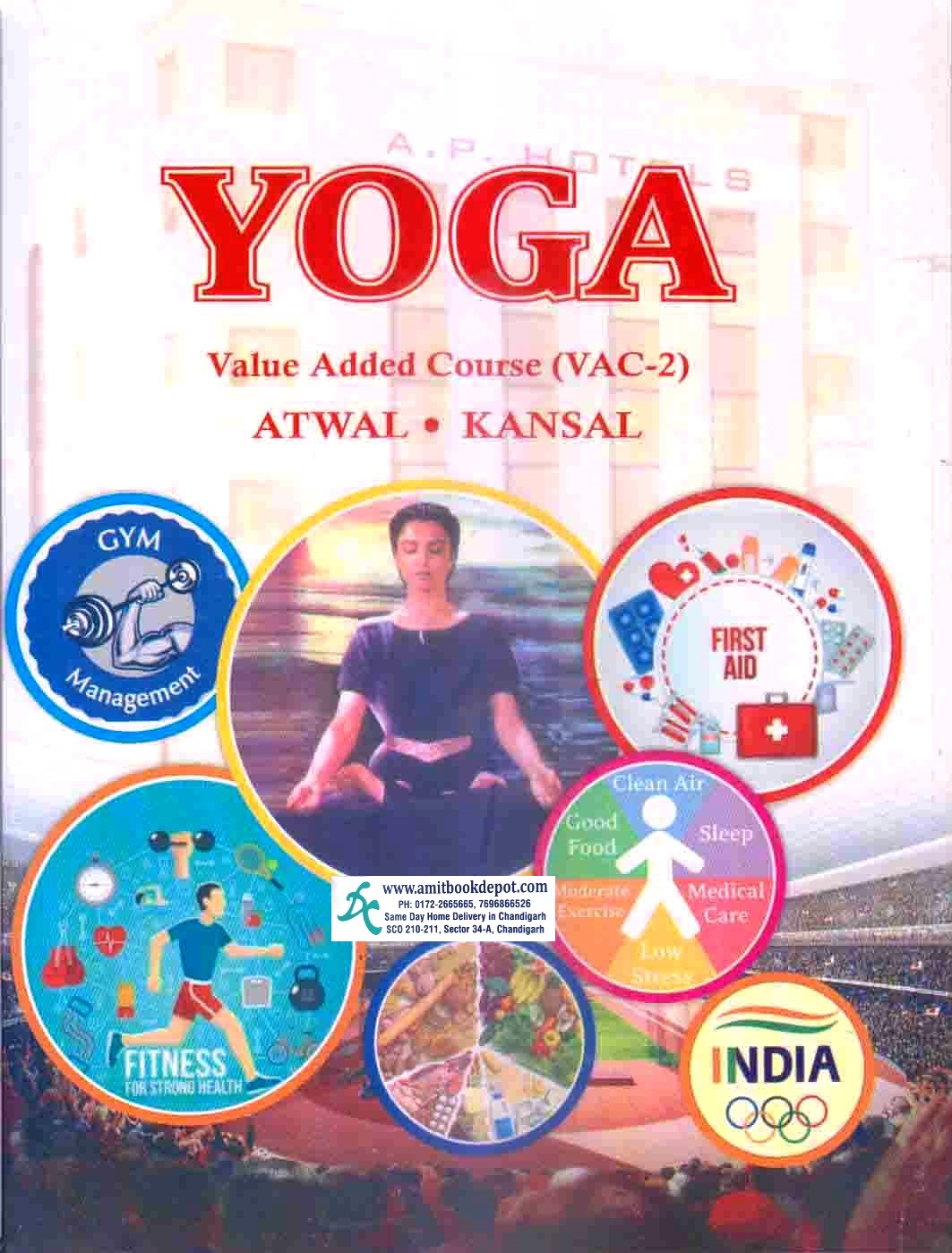
Yes, this book by Atwal Kansal is meticulously crafted to align with the most recent syllabus and examination pattern for the Yoga Value Added Course (VAC-2) at Panjab University.
Absolutely. The book is divided into two comprehensive theory units (Foundation of Yoga, and Asanas/Pranayama/Kriya) and a dedicated practical section for the practice of Asanas and Pranayama, covering 100% of the syllabus.
Yes, the book provides detailed, step-by-step instructions and explanations for all prescribed practical components, including Standing, Sitting, and Lying Asanas, the full Surya Namaskar sequence, and Pranayamas like Bhastrika, Kapalbhati, and Anulom Vilom.
Yes, it includes a detailed breakdown of the total marks (50), the split between theory (25) and practical (25), internal assessment details, and the question paper pattern to help students prepare strategically.
Yes, the book is designed specifically for university students, many of whom may be new to yoga. It starts with the foundation, meaning, and principles, making it accessible and easy to understand for beginners.
The book provides the theoretical meaning, definition, and types of Kriya as required by the syllabus. However, performing advanced Kriya techniques should ideally be done under the supervision of a qualified yoga teacher.
While it is specifically tailored for Panjab University students, the foundational knowledge on the origin of yoga, asanas, pranayama, and meditation makes it a valuable resource for any beginner seeking a structured introduction to yoga.
As a text-focused academic guide, it provides detailed written descriptions of the asanas. For visual learners, it is recommended to supplement the book with demonstrations from their practical class instructor.
Yes, the language is academic yet clear and straightforward, ensuring that students from Arts, Humanities, and other streams can grasp the concepts without difficulty.
Yes, the first chapter in Unit I is dedicated to the "Origin of Yoga and its Development," providing the necessary historical context for the subject.
No Description Added
Yes, this book by Atwal Kansal is meticulously crafted to align with the most recent syllabus and examination pattern for the Yoga Value Added Course (VAC-2) at Panjab University.
Absolutely. The book is divided into two comprehensive theory units (Foundation of Yoga, and Asanas/Pranayama/Kriya) and a dedicated practical section for the practice of Asanas and Pranayama, covering 100% of the syllabus.
Yes, the book provides detailed, step-by-step instructions and explanations for all prescribed practical components, including Standing, Sitting, and Lying Asanas, the full Surya Namaskar sequence, and Pranayamas like Bhastrika, Kapalbhati, and Anulom Vilom.
Yes, it includes a detailed breakdown of the total marks (50), the split between theory (25) and practical (25), internal assessment details, and the question paper pattern to help students prepare strategically.
Yes, the book is designed specifically for university students, many of whom may be new to yoga. It starts with the foundation, meaning, and principles, making it accessible and easy to understand for beginners.
The book provides the theoretical meaning, definition, and types of Kriya as required by the syllabus. However, performing advanced Kriya techniques should ideally be done under the supervision of a qualified yoga teacher.
While it is specifically tailored for Panjab University students, the foundational knowledge on the origin of yoga, asanas, pranayama, and meditation makes it a valuable resource for any beginner seeking a structured introduction to yoga.
As a text-focused academic guide, it provides detailed written descriptions of the asanas. For visual learners, it is recommended to supplement the book with demonstrations from their practical class instructor.
Yes, the language is academic yet clear and straightforward, ensuring that students from Arts, Humanities, and other streams can grasp the concepts without difficulty.
Yes, the first chapter in Unit I is dedicated to the "Origin of Yoga and its Development," providing the necessary historical context for the subject.