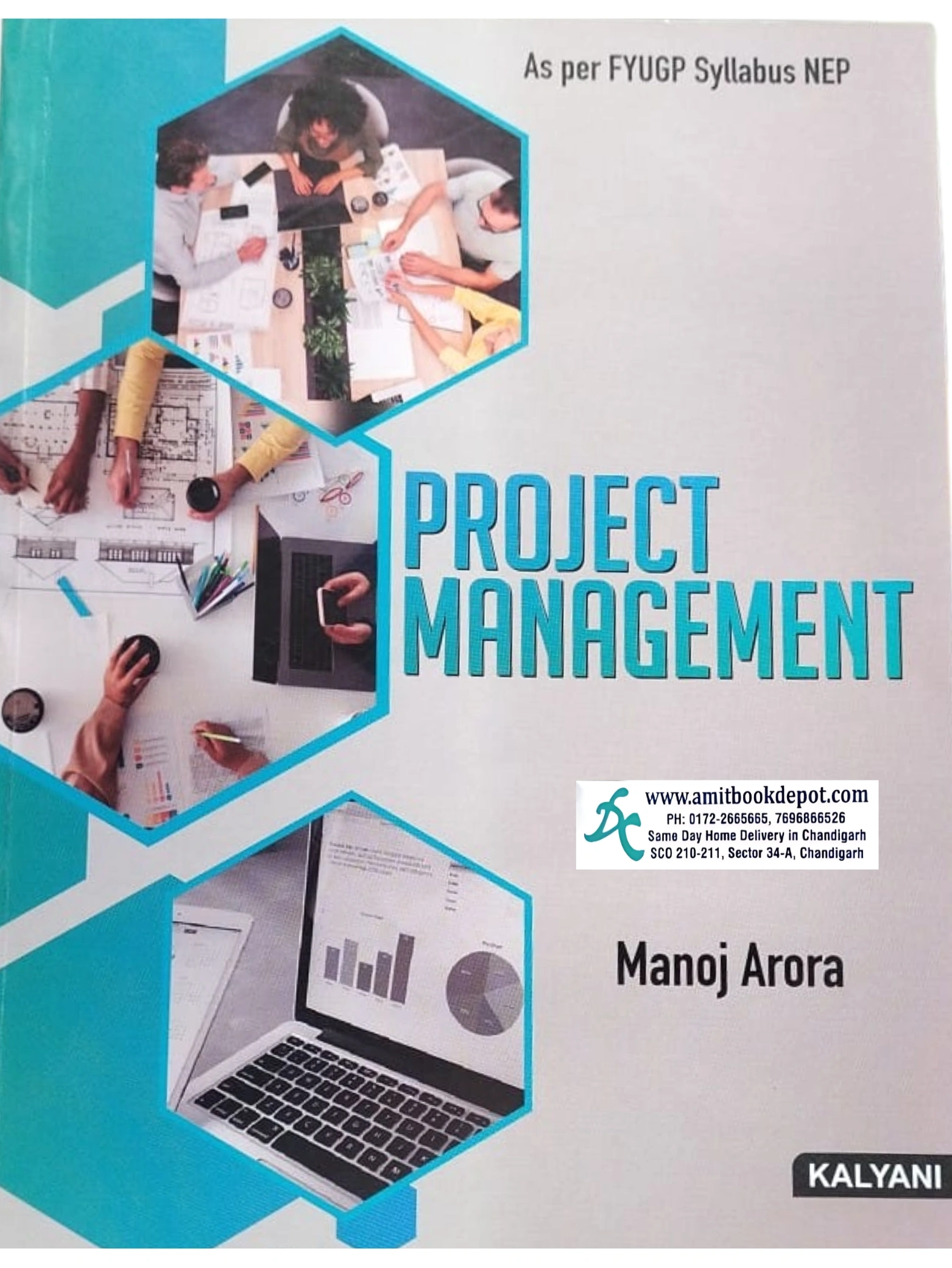
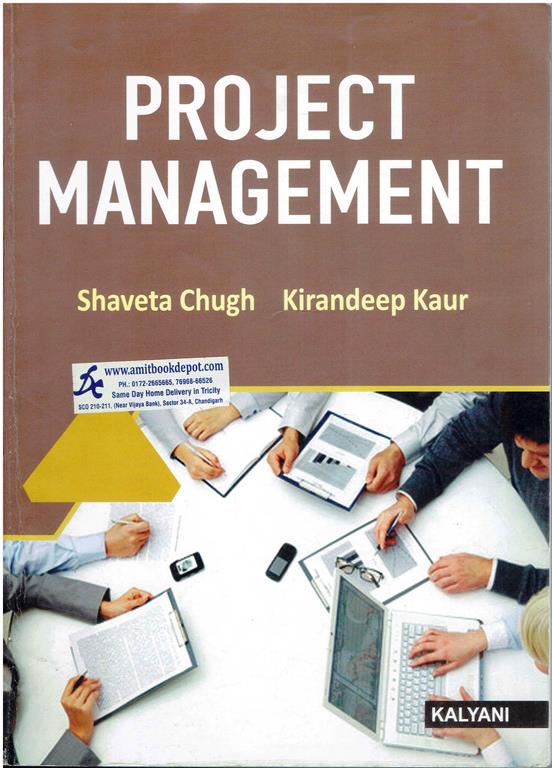
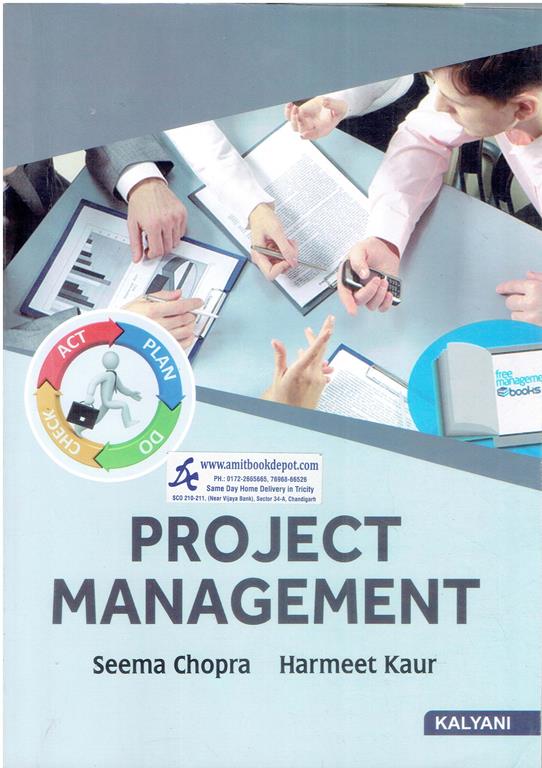
Yes, it is meticulously crafted to align 100% with the latest syllabus for course NBBA 405 under the New Education Policy (NEP) framework of Panjab University, Chandigarh.
Absolutely. The book is divided into Unit I and Unit II, exactly matching the syllabus content. Its structure also helps students prepare for the specific section-wise exam pattern (Sections A, B, and C).
Yes, these are covered comprehensively. The book provides detailed chapters on Project Scheduling (PERT & CPM networks) and Social Cost-Benefit Analysis (including the UNIDO Approach), as required by the syllabus.
Yes, the 7S Model of Project Management is covered in detail within the Introduction to Project Management chapter in Unit I.
Yes, the final chapter of the book is dedicated to Recent Trends & Challenges, including managing E-business Projects, the Future of Project Management, and the Regulatory Framework.
Yes, it starts with foundational concepts like the definition, characteristics, and life cycle of a project, making it suitable for beginners while progressively covering advanced topics as per the semester requirements.
The book is primarily a theory text as per the syllabus focus. It explains concepts, criteria, and methodologies. For specific numerical problem-solving, students may need to supplement it with practice, but the theoretical foundation for appraisal criteria, PERT, and CPM is thoroughly provided.
Yes, Unit I includes a dedicated section on Project Organization, which covers the Principles, Process, Structure, and specifically the Project Manager's roles, responsibilities, and selection process.
Yes, these are distinct and detailed chapters in Unit II, covering their respective processes, tools, techniques, and cycles as outlined in the syllabus.
Yes, its clear language, logical flow following the syllabus, and comprehensive topic coverage make it an excellent resource for self-study for students preparing for their exams.
No Description Added
Yes, it is meticulously crafted to align 100% with the latest syllabus for course NBBA 405 under the New Education Policy (NEP) framework of Panjab University, Chandigarh.
Absolutely. The book is divided into Unit I and Unit II, exactly matching the syllabus content. Its structure also helps students prepare for the specific section-wise exam pattern (Sections A, B, and C).
Yes, these are covered comprehensively. The book provides detailed chapters on Project Scheduling (PERT & CPM networks) and Social Cost-Benefit Analysis (including the UNIDO Approach), as required by the syllabus.
Yes, the 7S Model of Project Management is covered in detail within the Introduction to Project Management chapter in Unit I.
Yes, the final chapter of the book is dedicated to Recent Trends & Challenges, including managing E-business Projects, the Future of Project Management, and the Regulatory Framework.
Yes, it starts with foundational concepts like the definition, characteristics, and life cycle of a project, making it suitable for beginners while progressively covering advanced topics as per the semester requirements.
The book is primarily a theory text as per the syllabus focus. It explains concepts, criteria, and methodologies. For specific numerical problem-solving, students may need to supplement it with practice, but the theoretical foundation for appraisal criteria, PERT, and CPM is thoroughly provided.
Yes, Unit I includes a dedicated section on Project Organization, which covers the Principles, Process, Structure, and specifically the Project Manager's roles, responsibilities, and selection process.
Yes, these are distinct and detailed chapters in Unit II, covering their respective processes, tools, techniques, and cycles as outlined in the syllabus.
Yes, its clear language, logical flow following the syllabus, and comprehensive topic coverage make it an excellent resource for self-study for students preparing for their exams.