-
Mon-Fri: 10AM to 8PM 01722665665
-
My Account
-
-
0
Total :
₹ 0.00

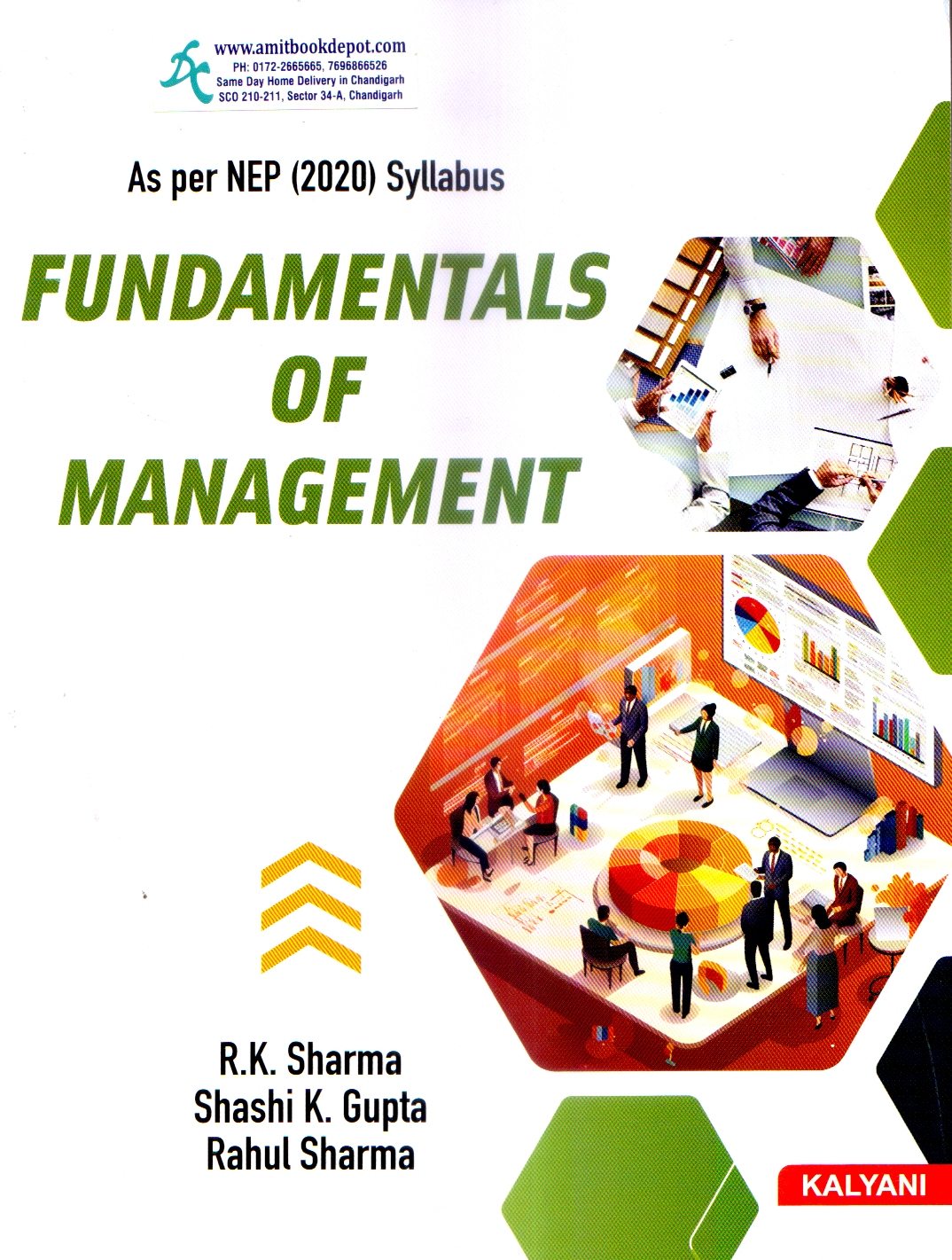
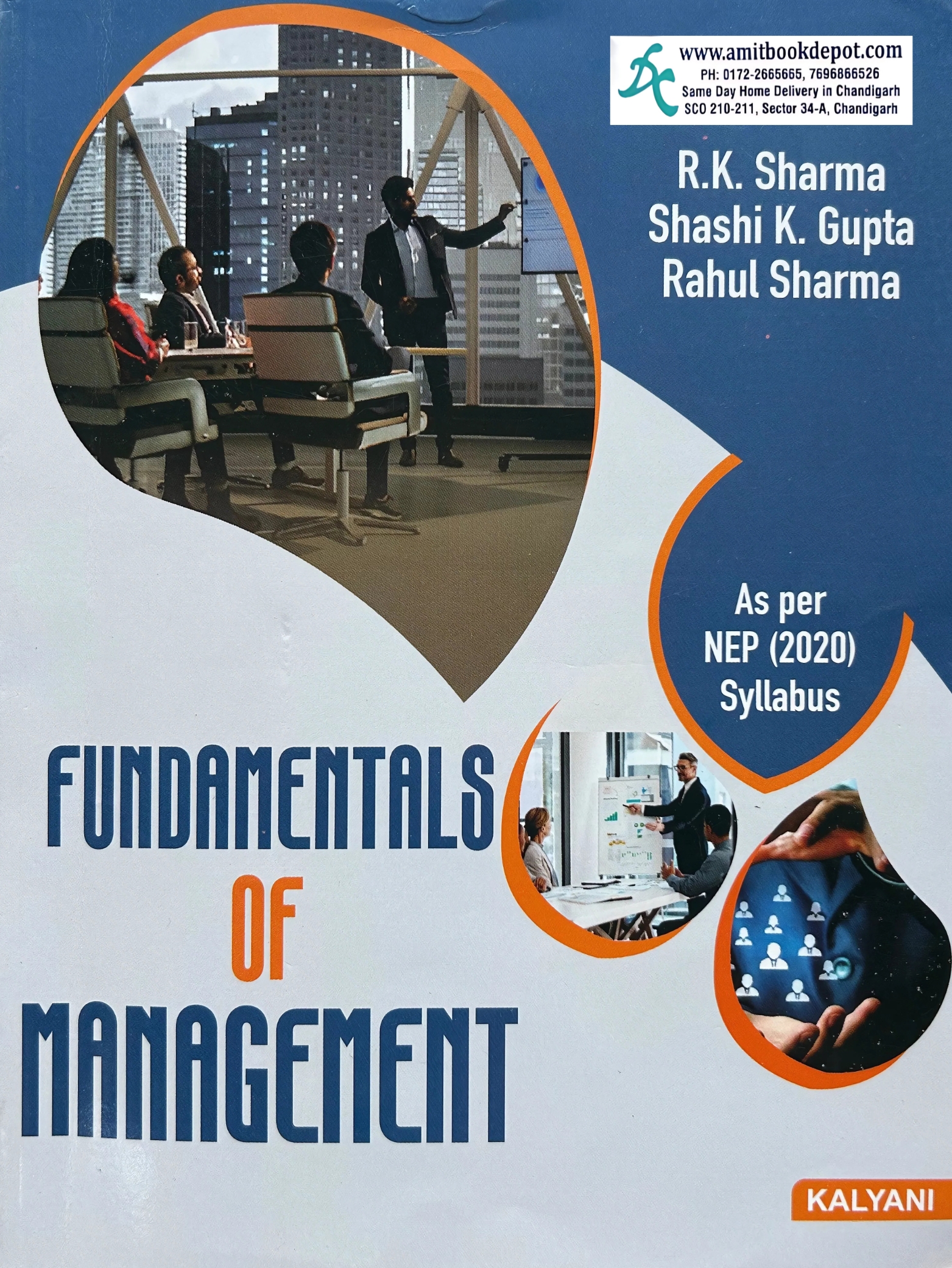

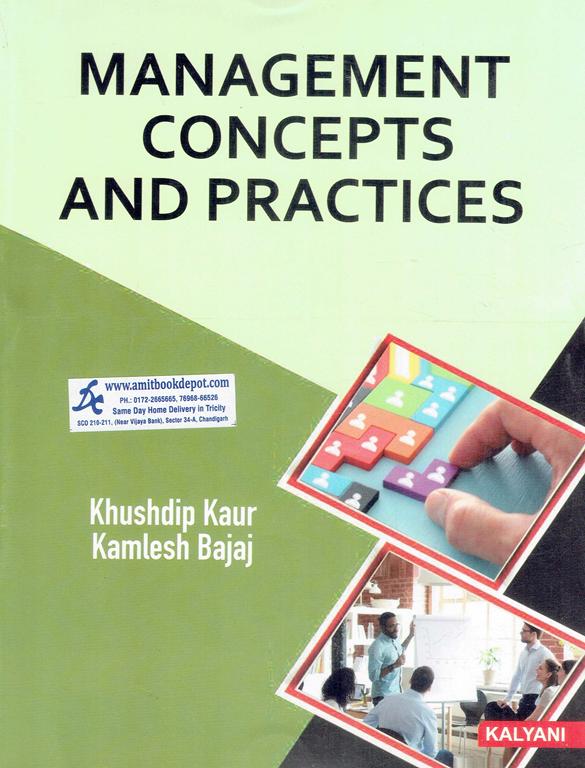
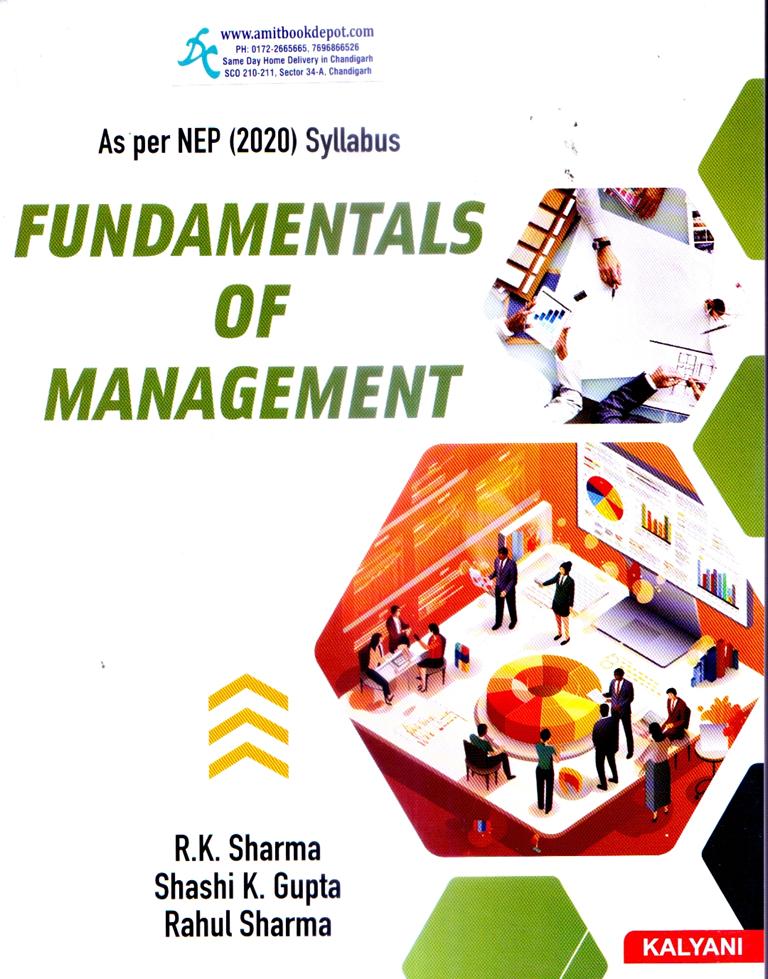
Yes, this book is meticulously crafted to adhere 100% to the latest National Education Policy (NEP) syllabus prescribed for BBA 1st Semester at Panjab University (PU), Chandigarh.
Yes, the book concludes with a dedicated section containing case studies that help bridge theoretical concepts with practical, real-world business situations.
The book is divided into two main units (Unit I and Unit II), exactly as specified in the syllabus. This structure directly aligns with Sections B and C of the exam paper, making revision and topic-specific preparation efficient.
Absolutely. Unit I includes a dedicated section on contemporary approaches, covering the contributions of prominent thinkers like Likert, Drucker, Porter, and Prahalad as required by the syllabus.
Yes, Unit II provides comprehensive coverage of various motivational theories (e.g., Maslow, Herzberg) and leadership theories and styles, which are crucial for the syllabus.
Yes, the final chapter details various control techniques, which is a key part of the Unit II syllabus.
The book is written in clear, concise, and student-friendly language, making it highly suitable for self-study and easy comprehension of complex management principles.
While it is specifically tailored for PU Chandigarh, the content covers universal fundamentals of management. Students from other universities with similar syllabi may also find it highly beneficial.
Yes, a full chapter is dedicated to the evolution of management thought, covering classical, neo-classical, behavioral, quantitative, systems, and contingency approaches.
Yes, there is a dedicated chapter on Management By Objectives (MBO) that covers its concept, process, and significance.
No Description Added
Yes, this book is meticulously crafted to adhere 100% to the latest National Education Policy (NEP) syllabus prescribed for BBA 1st Semester at Panjab University (PU), Chandigarh.
Yes, the book concludes with a dedicated section containing case studies that help bridge theoretical concepts with practical, real-world business situations.
The book is divided into two main units (Unit I and Unit II), exactly as specified in the syllabus. This structure directly aligns with Sections B and C of the exam paper, making revision and topic-specific preparation efficient.
Absolutely. Unit I includes a dedicated section on contemporary approaches, covering the contributions of prominent thinkers like Likert, Drucker, Porter, and Prahalad as required by the syllabus.
Yes, Unit II provides comprehensive coverage of various motivational theories (e.g., Maslow, Herzberg) and leadership theories and styles, which are crucial for the syllabus.
Yes, the final chapter details various control techniques, which is a key part of the Unit II syllabus.
The book is written in clear, concise, and student-friendly language, making it highly suitable for self-study and easy comprehension of complex management principles.
While it is specifically tailored for PU Chandigarh, the content covers universal fundamentals of management. Students from other universities with similar syllabi may also find it highly beneficial.
Yes, a full chapter is dedicated to the evolution of management thought, covering classical, neo-classical, behavioral, quantitative, systems, and contingency approaches.
Yes, there is a dedicated chapter on Management By Objectives (MBO) that covers its concept, process, and significance.