-
Mon-Fri: 10AM to 8PM 01722665665
-
My Account
-
-
0
Total :
₹ 0.00

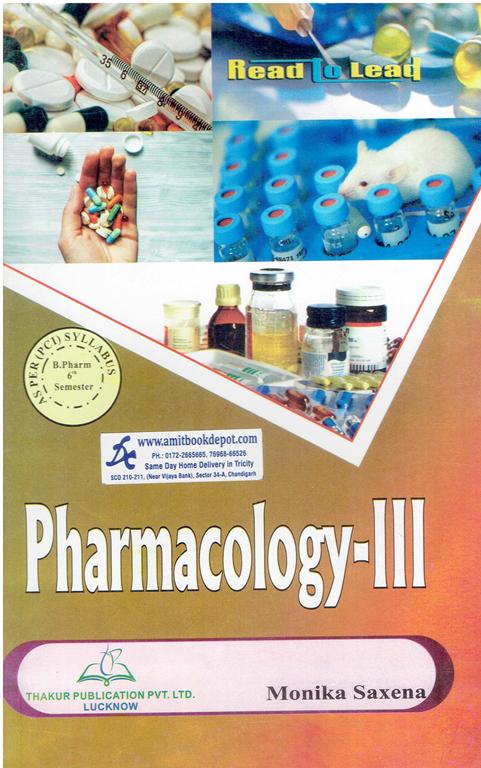

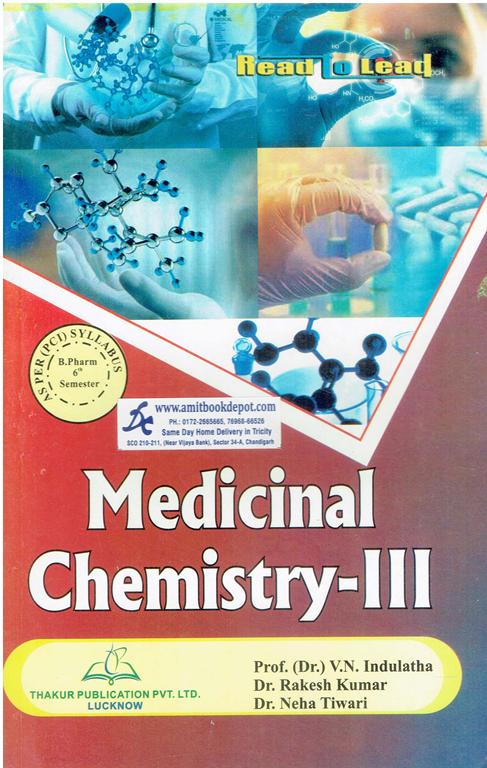
Yes, this textbook is meticulously crafted to cover 100% of the prescribed syllabus for BP602 T. Pharmacology-III, including all units and topics as specified by Punjab Technical University.
Absolutely. Unit-I is dedicated to these systems, with dedicated chapters on anti-asthmatic drugs, COPD management, antiulcer agents, drugs for constipation/diarrhea, and more, as per the syllabus.
It is very comprehensive, spanning multiple units. It covers general principles, major antibiotic classes (Penicillins, Cephalosporins, etc.), and drugs for specific infections like tuberculosis, leprosy, malaria, amoebiasis, fungal/viral infections, UTIs/STDs, and malignancy.
Yes, a full chapter covers immunostimulants, immunosuppressants, and advanced concepts like monoclonal antibodies, target drugs, and biosimilars, as required by the PTU syllabus.
Yes, it has a dedicated unit on Principles of Toxicology, covering types of toxicity and detailed management of poisoning by barbiturates, morphine, organophosphates, lead, mercury, and arsenic.
Chronopharmacology is the study of how drug effects vary with biological timing. The book includes a chapter defining biological rhythms, cycles, and their significance in chronotherapy, as per the syllabus.
The book is written in clear, straightforward, and student-friendly language, focusing on conceptual clarity without unnecessary complexity.
Yes, it includes details on Short Course Chemotherapy (SCC) for TB and the standard treatment protocols for different types of leprosy.
The provided content list indicates detailed textual explanations of mechanisms. For specific diagrams, please check the physical book or publisher's sample pages.
Yes, the chapter on anti-asthmatic drugs includes sections on modern therapeutics like Anti-IgE Antibodies (Omalizumab).
No Description Added
Yes, this textbook is meticulously crafted to cover 100% of the prescribed syllabus for BP602 T. Pharmacology-III, including all units and topics as specified by Punjab Technical University.
Absolutely. Unit-I is dedicated to these systems, with dedicated chapters on anti-asthmatic drugs, COPD management, antiulcer agents, drugs for constipation/diarrhea, and more, as per the syllabus.
It is very comprehensive, spanning multiple units. It covers general principles, major antibiotic classes (Penicillins, Cephalosporins, etc.), and drugs for specific infections like tuberculosis, leprosy, malaria, amoebiasis, fungal/viral infections, UTIs/STDs, and malignancy.
Yes, a full chapter covers immunostimulants, immunosuppressants, and advanced concepts like monoclonal antibodies, target drugs, and biosimilars, as required by the PTU syllabus.
Yes, it has a dedicated unit on Principles of Toxicology, covering types of toxicity and detailed management of poisoning by barbiturates, morphine, organophosphates, lead, mercury, and arsenic.
Chronopharmacology is the study of how drug effects vary with biological timing. The book includes a chapter defining biological rhythms, cycles, and their significance in chronotherapy, as per the syllabus.
The book is written in clear, straightforward, and student-friendly language, focusing on conceptual clarity without unnecessary complexity.
Yes, it includes details on Short Course Chemotherapy (SCC) for TB and the standard treatment protocols for different types of leprosy.
The provided content list indicates detailed textual explanations of mechanisms. For specific diagrams, please check the physical book or publisher's sample pages.
Yes, the chapter on anti-asthmatic drugs includes sections on modern therapeutics like Anti-IgE Antibodies (Omalizumab).