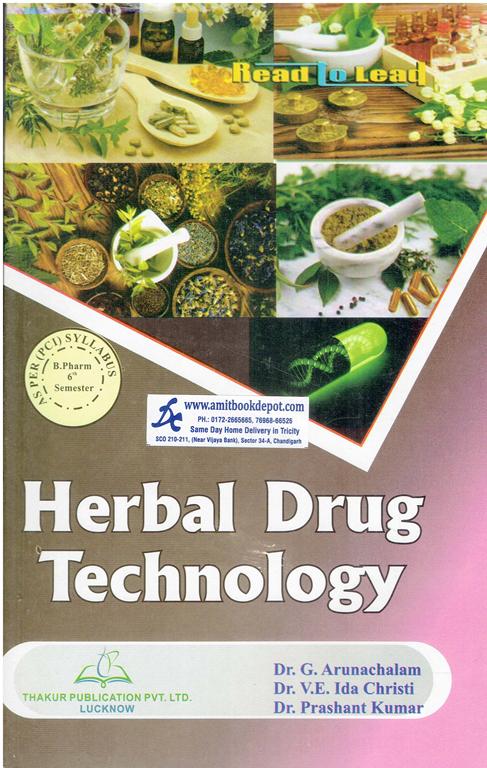
Yes, this textbook is meticulously crafted to cover the latest prescribed syllabus for Herbal Drug Technology (Subject Code BP 603 T) for B. Pharmacy Semester 6 under PTU.
Absolutely. It provides detailed chapters on conventional Ayurvedic formulations like Bhasma and Asava, as well as modern systems like phytosomes, liposomes, and niosomes.
Yes, the book contains dedicated chapters explaining Schedule T for GMP of Indian systems of medicine and Schedule Z of the Drugs and Cosmetics Act for ASU drugs, which are crucial for exams and industry knowledge.
Yes, it covers patenting, IPR, bioprospecting, biopiracy, and includes specific case studies of Neem and Turmeric (Curcuma) related to traditional knowledge.
Yes, a full chapter is devoted to herb-drug and herb-food interactions, with detailed study of herbs like Ginkgo biloba, St. John's Wort (Hypericum), Kava-Kava, and Ginseng.
Yes, it details raw materials of herbal origin used in cosmetics and covers formulation aspects for skin care, hair care, and oral hygiene products.
Yes, the book covers Good Agricultural Practices (GAP), biodynamic agriculture, organic farming, and pest management using biopesticides for medicinal plants.
Yes, there is a dedicated chapter on the significance of herbal excipients, covering natural colorants, sweeteners, binders, diluents, and disintegrants.
Yes, there is an extensive chapter on nutraceuticals, their role in ailments, and a detailed study of herbs as health food, including Ashwagandha, Spirulina, Amla, and Ginseng.
Yes, it provides a clear outline of the basic principles of Ayurveda, Siddha, Unani, and Homeopathy in a structured, comparative manner.
No Description Added
Yes, this textbook is meticulously crafted to cover the latest prescribed syllabus for Herbal Drug Technology (Subject Code BP 603 T) for B. Pharmacy Semester 6 under PTU.
Absolutely. It provides detailed chapters on conventional Ayurvedic formulations like Bhasma and Asava, as well as modern systems like phytosomes, liposomes, and niosomes.
Yes, the book contains dedicated chapters explaining Schedule T for GMP of Indian systems of medicine and Schedule Z of the Drugs and Cosmetics Act for ASU drugs, which are crucial for exams and industry knowledge.
Yes, it covers patenting, IPR, bioprospecting, biopiracy, and includes specific case studies of Neem and Turmeric (Curcuma) related to traditional knowledge.
Yes, a full chapter is devoted to herb-drug and herb-food interactions, with detailed study of herbs like Ginkgo biloba, St. John's Wort (Hypericum), Kava-Kava, and Ginseng.
Yes, it details raw materials of herbal origin used in cosmetics and covers formulation aspects for skin care, hair care, and oral hygiene products.
Yes, the book covers Good Agricultural Practices (GAP), biodynamic agriculture, organic farming, and pest management using biopesticides for medicinal plants.
Yes, there is a dedicated chapter on the significance of herbal excipients, covering natural colorants, sweeteners, binders, diluents, and disintegrants.
Yes, there is an extensive chapter on nutraceuticals, their role in ailments, and a detailed study of herbs as health food, including Ashwagandha, Spirulina, Amla, and Ginseng.
Yes, it provides a clear outline of the basic principles of Ayurveda, Siddha, Unani, and Homeopathy in a structured, comparative manner.