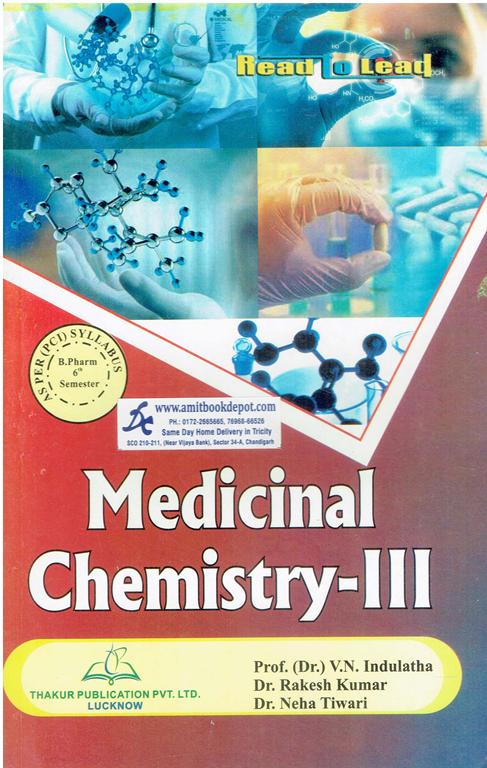
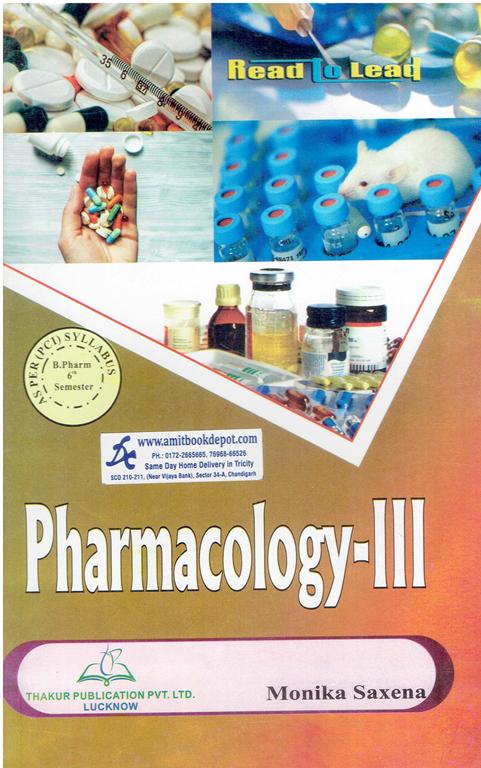
Yes, the content, chapter sequencing, and depth of coverage are meticulously designed to match the official PTU syllabus unit-by-unit, including all specified drug classes and modern drug design topics.
Yes, it includes detailed synthesis pathways for drugs specified with an asterisk (*) in the PTU syllabus, such as Chloramphenicol, Isoniazid, Para-aminosalicylic acid, and others.
Each major drug class (e.g., Penicillins, Cephalosporins, Quinolones, Sulphonamides) has a dedicated SAR section, explaining how specific chemical modifications alter biological activity, as required for in-depth understanding.
Absolutely. Unit V introduces concepts like QSAR parameters (Hammett’s, Taft’s), Pharmacophore Modeling, and Docking techniques with fundamental explanations, making them accessible to undergraduate students.
It provides a holistic view. Each drug class chapter includes dedicated sub-sections on ‘Uses’ and ‘Adverse Effects’, linking chemical properties to clinical pharmacology.
Yes, Chapter 6 is entirely dedicated to Prodrugs, covering the basic concept, classification, and specific applications like improving bioavailability, reducing toxicity, and site-specific delivery.
Chapter 16 covers Combinatorial Chemistry in detail, including its concept, history, and distinct explanations of both Solid-Phase and Solution-Phase Synthesis methodologies with applications.
Yes, the book clearly classifies and explains both Antifungal Antibiotics (e.g., Amphotericin B, Griseofulvin) and Synthetic Antifungal Agents (e.g., Azoles like Fluconazole, Ketoconazole) separately.
Yes, the book covers important modern products across chapters, including Artemether for malaria, Moxifloxacin (4th gen quinolone), and Atovaquone for protozoal infections.
Yes, Chapter 9 is dedicated to “Quinolones and Urinary Tract Anti-Infective Agents,” covering drugs like Nitrofurantoin and Furazolidone separately from systemic antibiotics.
No Description Added
Yes, the content, chapter sequencing, and depth of coverage are meticulously designed to match the official PTU syllabus unit-by-unit, including all specified drug classes and modern drug design topics.
Yes, it includes detailed synthesis pathways for drugs specified with an asterisk (*) in the PTU syllabus, such as Chloramphenicol, Isoniazid, Para-aminosalicylic acid, and others.
Each major drug class (e.g., Penicillins, Cephalosporins, Quinolones, Sulphonamides) has a dedicated SAR section, explaining how specific chemical modifications alter biological activity, as required for in-depth understanding.
Absolutely. Unit V introduces concepts like QSAR parameters (Hammett’s, Taft’s), Pharmacophore Modeling, and Docking techniques with fundamental explanations, making them accessible to undergraduate students.
It provides a holistic view. Each drug class chapter includes dedicated sub-sections on ‘Uses’ and ‘Adverse Effects’, linking chemical properties to clinical pharmacology.
Yes, Chapter 6 is entirely dedicated to Prodrugs, covering the basic concept, classification, and specific applications like improving bioavailability, reducing toxicity, and site-specific delivery.
Chapter 16 covers Combinatorial Chemistry in detail, including its concept, history, and distinct explanations of both Solid-Phase and Solution-Phase Synthesis methodologies with applications.
Yes, the book clearly classifies and explains both Antifungal Antibiotics (e.g., Amphotericin B, Griseofulvin) and Synthetic Antifungal Agents (e.g., Azoles like Fluconazole, Ketoconazole) separately.
Yes, the book covers important modern products across chapters, including Artemether for malaria, Moxifloxacin (4th gen quinolone), and Atovaquone for protozoal infections.
Yes, Chapter 9 is dedicated to “Quinolones and Urinary Tract Anti-Infective Agents,” covering drugs like Nitrofurantoin and Furazolidone separately from systemic antibiotics.