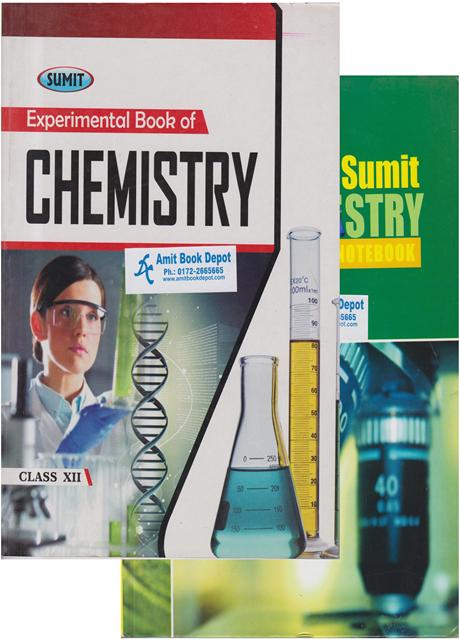
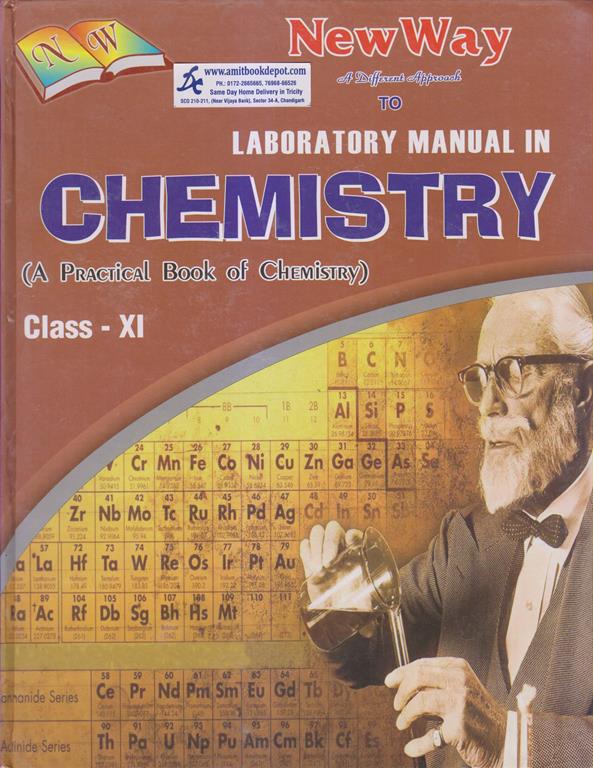
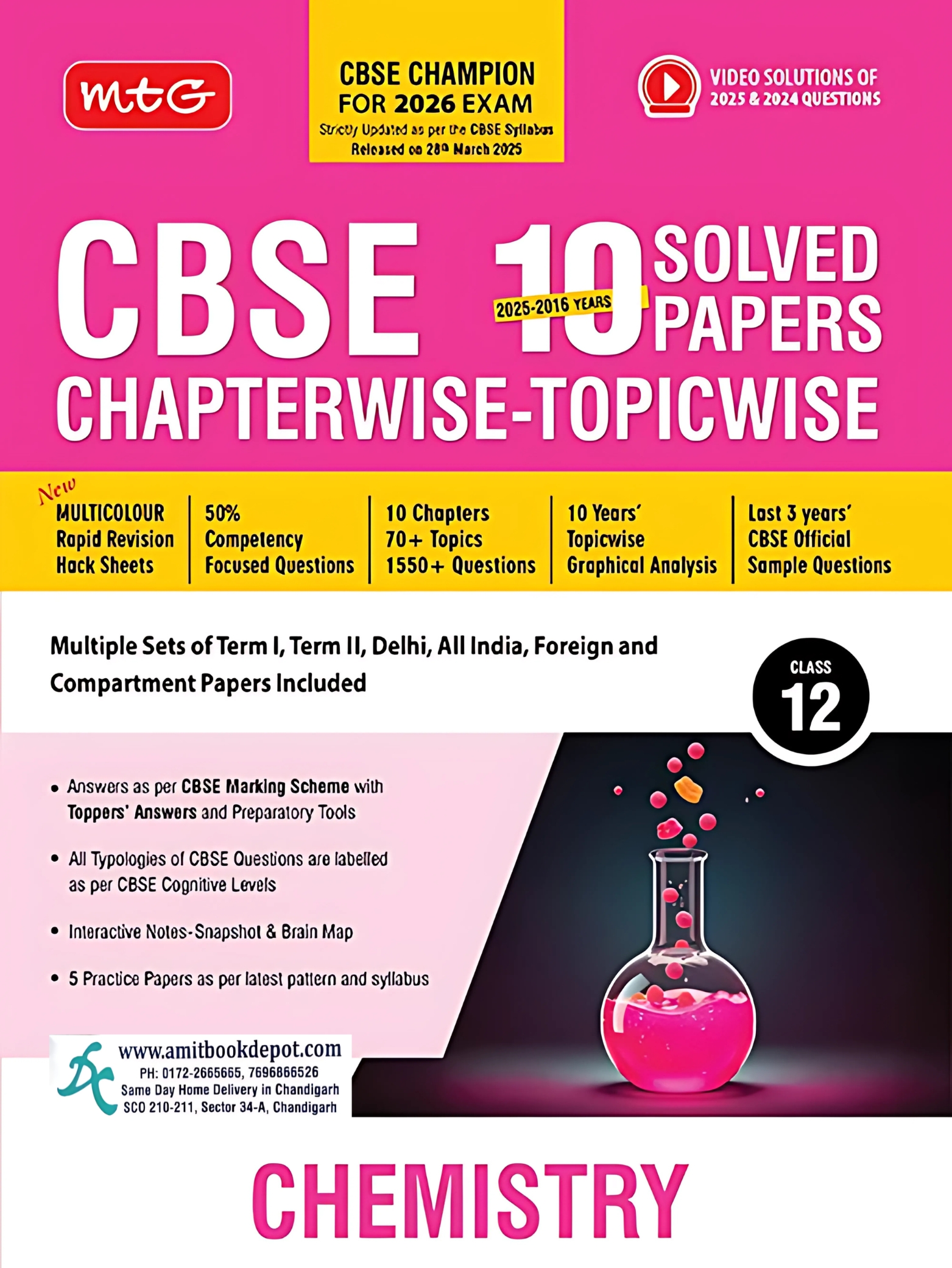
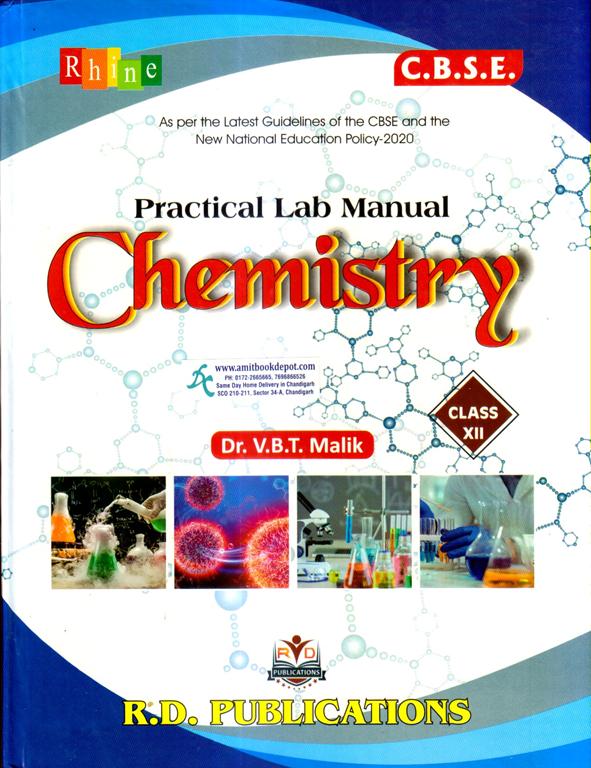
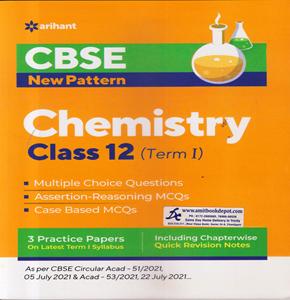
R.D. Chemistry Practical Lab Manual for Class 12th by Dr. V.B.T. Malik is a comprehensive and meticulously designed practical guidebook published by R.D. Publication. This lab manual is tailored for Class 12 CBSE, ISC, and State Board students, providing step-by-step instructions for conducting chemistry experiments with precision and accuracy. It follows the latest NCERT and board-prescribed syllabus, ensuring students gain hands-on experience in inorganic, organic, physical, and analytical chemistry.
Key Features of the Book
1. Aligned with CBSE & Other Board Curricula—The manual covers all essential experiments and projects prescribed by CBSE, ISC, and various state education boards, making it an indispensable resource for Class 12 Chemistry practical exams.
2. Detailed Experimental Procedures – Each experiment is explained with clear instructions, labeled diagrams, chemical equations, and observations, helping students perform lab work efficiently.
3. Viva Voce & Practical Exam Preparation—The manual includes important theory questions, viva voce tips, and common lab precautions, ensuring students are well-prepared for practical examinations and lab assessments.
4. Investigatory Projects Section—A dedicated unit guides students in selecting, planning, and executing chemistry investigatory projects, which are crucial for board practical exams and internal assessments.
5. Complete Syllabus Coverage—Includes all practicals from surface chemistry, chemical kinetics, electrochemistry, chromatography, salt analysis, and more.
6. Exam-Oriented Content—Features viva voce questions, precautions, and expected results for practical exam preparation.
7. Helpful Appendices—Contains safety guidelines, chemical tables, and lab equipment information.
Why Choose This Chemistry Practical Lab Manual?
1. Written by an Expert—Authored by Dr. V.B.T. Malik, an experienced academician, ensuring accurate and reliable content.
2. Student-Friendly Approach—Simplifies complex experiments with easy-to-follow steps, diagrams, and precautions.
3. Exam-Oriented Content—Helps students score high marks in practical exams with well-explained procedures and expected results.
4. Trusted Publication—Published by R.D. Publication, a reputed name in educational books.
This Class 12 Chemistry Lab Manual is an essential resource for students, teachers, and lab instructors, providing a structured approach to mastering CBSE Chemistry practicals. Whether preparing for board exams, competitive tests, or lab sessions, this manual ensures a thorough understanding of experimental chemistry.


.jpg)

.jpg)