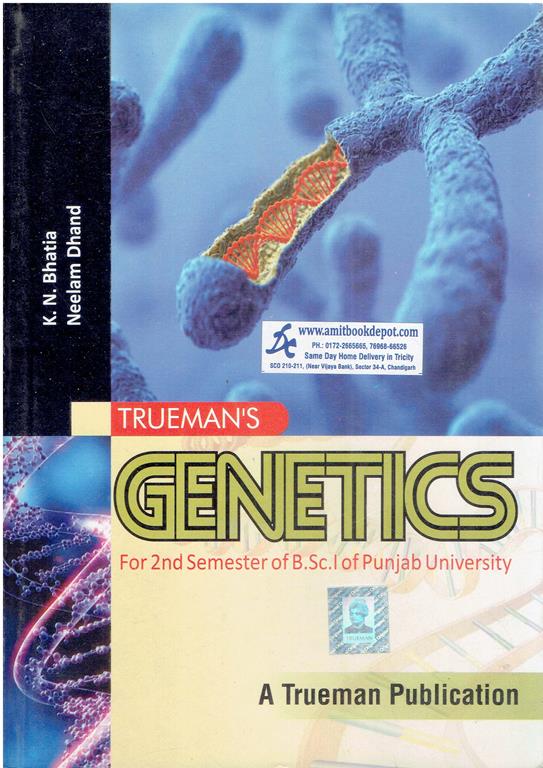
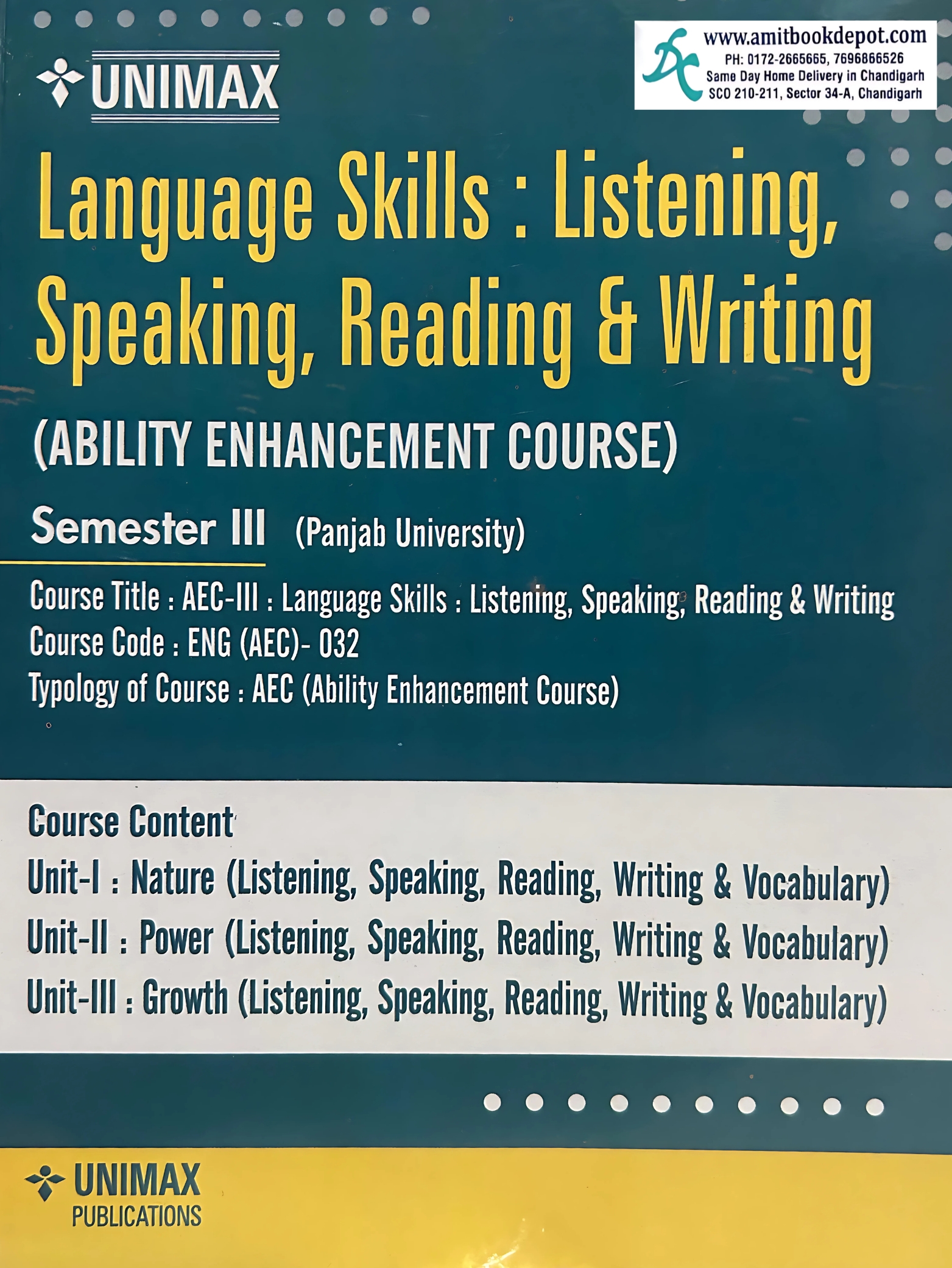
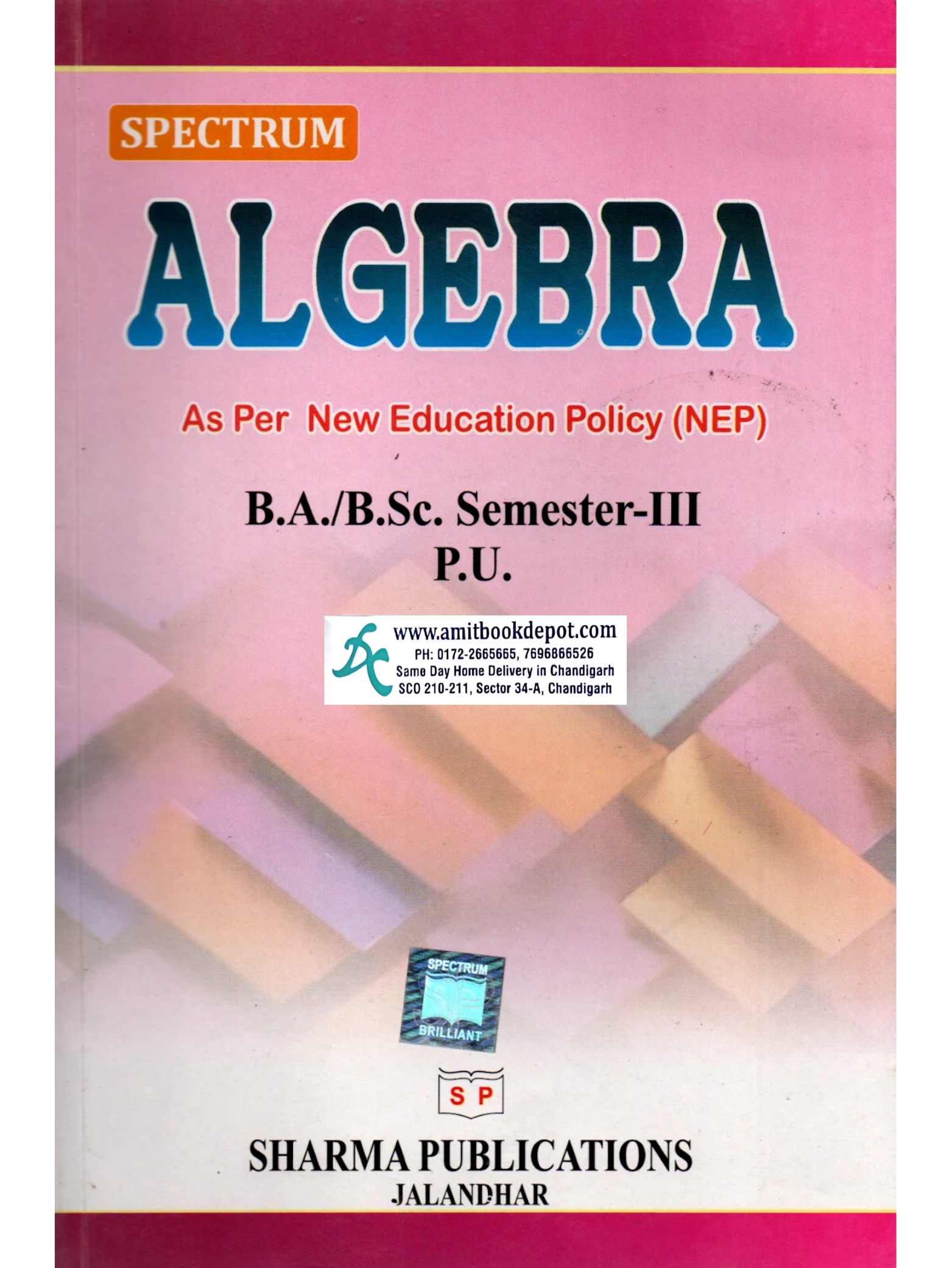
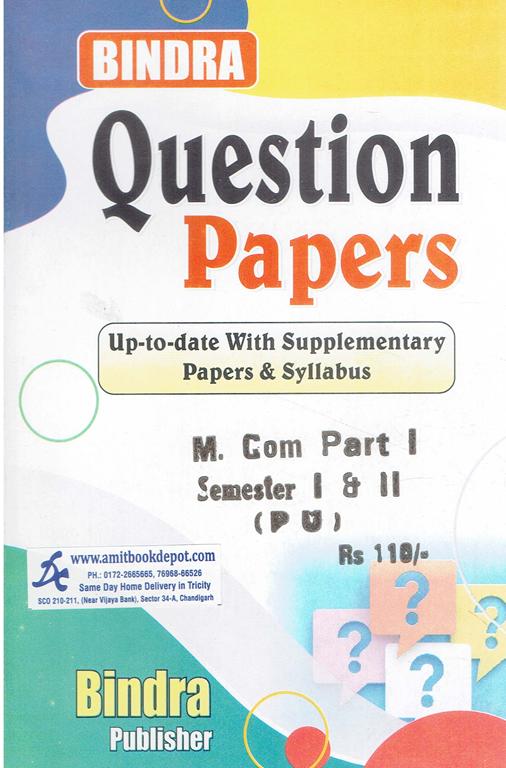
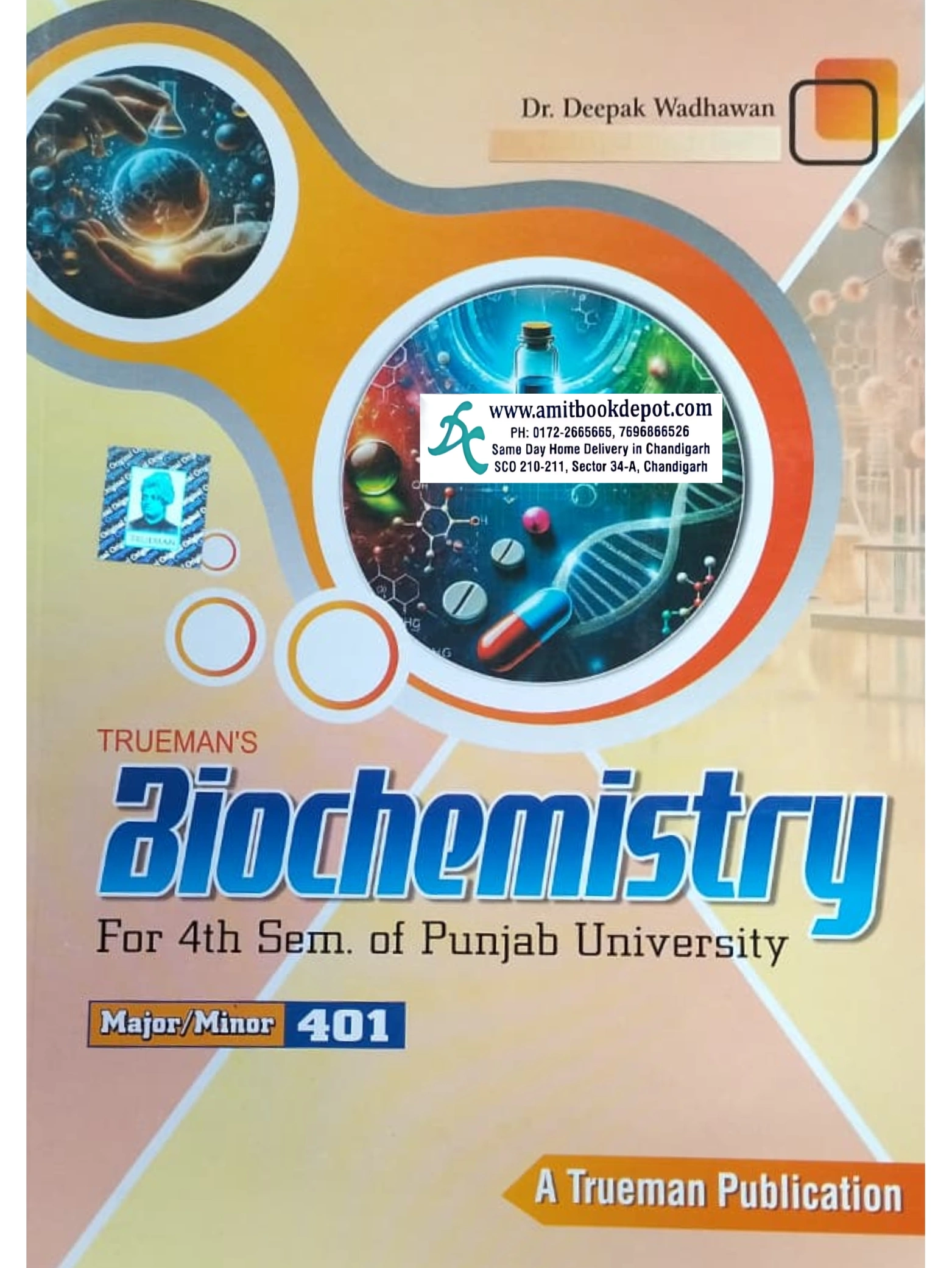
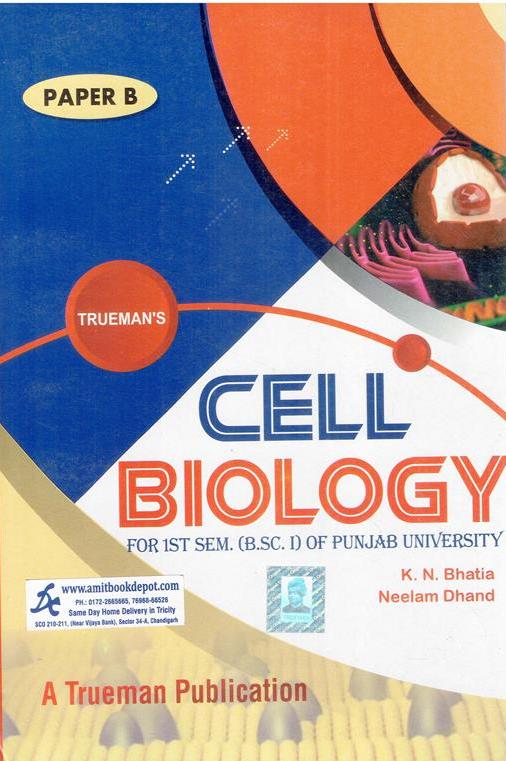
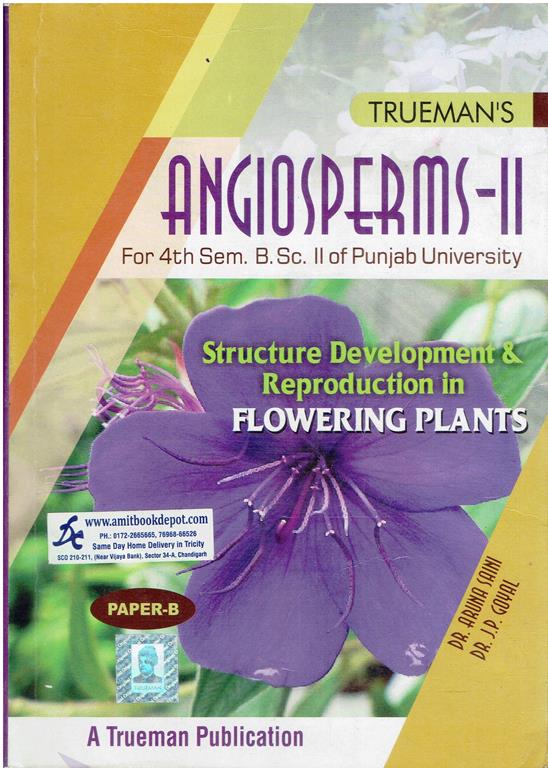
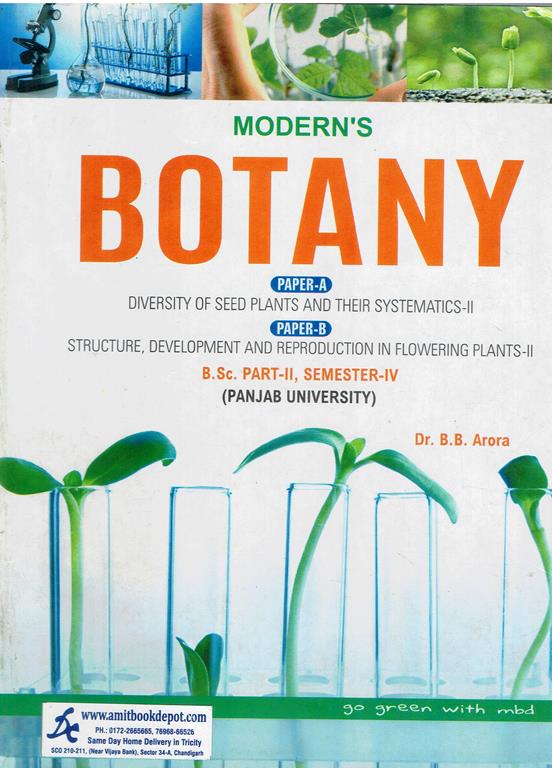
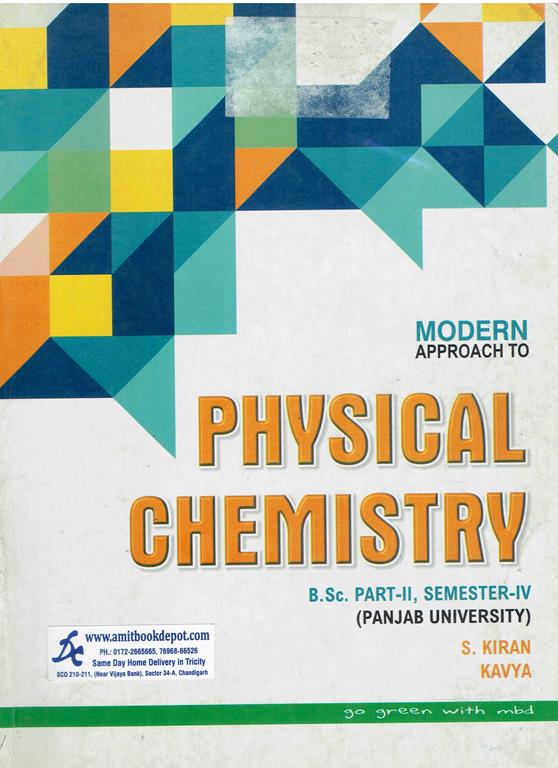
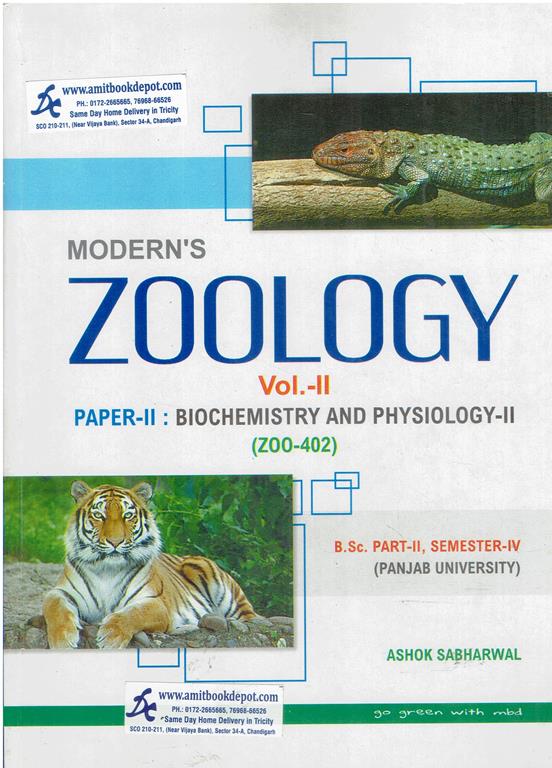
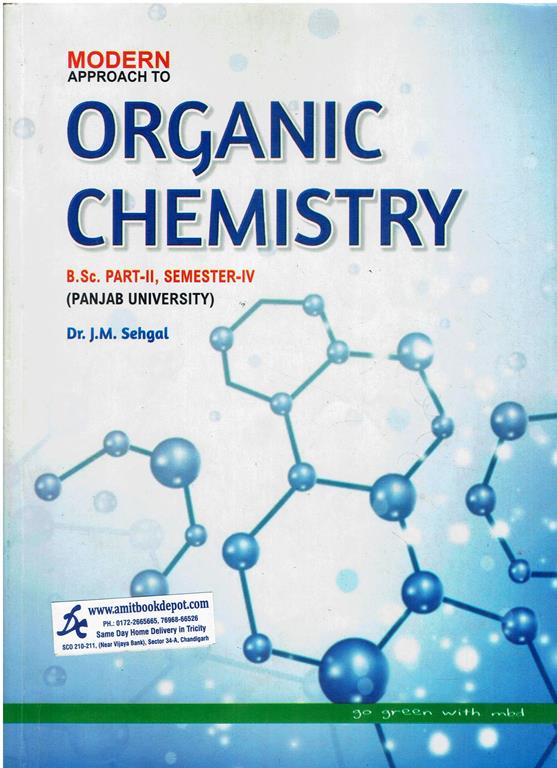
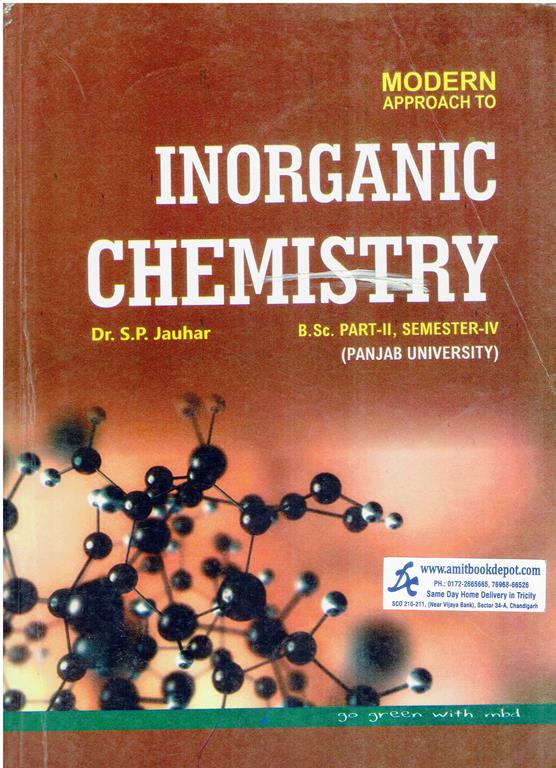
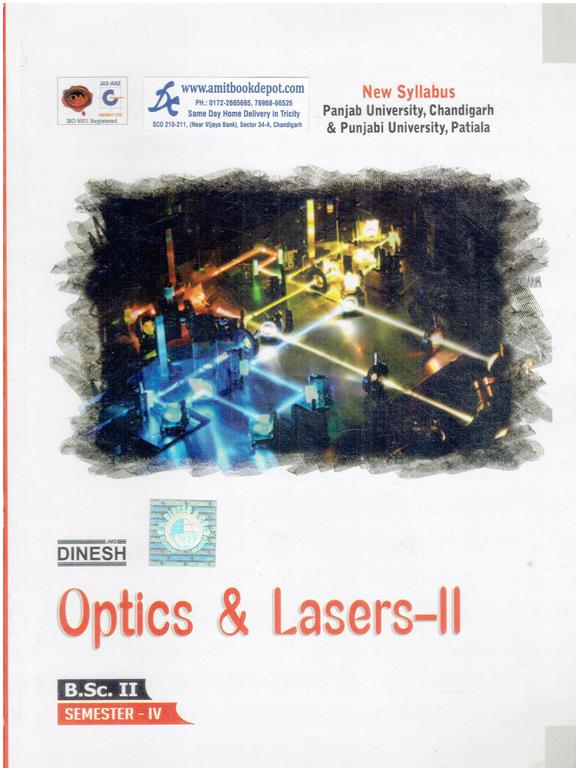
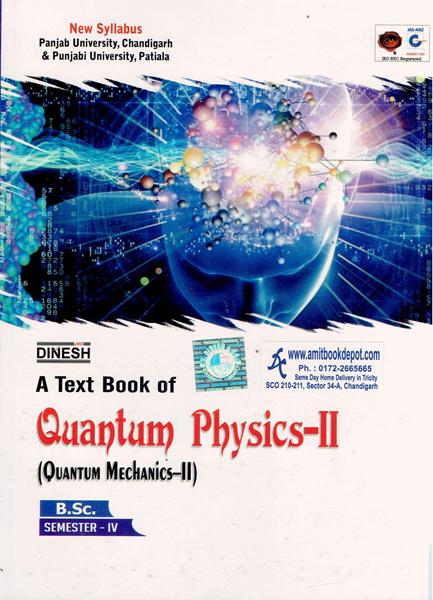
Yes, this book is specifically authored and structured to comprehensively cover all topics prescribed in the Punjab University syllabus for this semester, making it a primary and sufficient textbook.
Yes, the content is regularly reviewed to include contemporary understandings of core concepts like metabolic regulation, while maintaining a sharp focus on the fundamental principles required for the undergraduate syllabus.
Absolutely. Each metabolic pathway is broken down into discrete steps, with clear mentions of enzymes, co-factors, intermediates, and ATP yield at relevant stages for thorough understanding.
Yes, the book is highly recommended for self-study. The language is student-centric, and concepts are built from the ground up, making it ideal for learners without constant classroom guidance.
Yes, the Enzymes chapter provides detailed coverage of enzyme kinetics, factors influencing activity, and various types of inhibition (competitive, non-competitive, etc.) with illustrative examples.
The book effectively highlights metabolic integration by explaining connecting points like common intermediates (e.g., acetyl-CoA) and the roles of key molecules in linking different pathways, which is crucial for a holistic understanding.
Yes, the Lipid Metabolism chapter covers cholesterol biosynthesis, lipoproteins (LDL, HDL), and their role in transport, providing essential context to the biochemical basis of related health conditions.
Yes, the Protein Metabolism chapter includes a detailed section on the Urea Cycle, explaining its steps, location in the liver (mitochondria and cytosol), and its critical regulation.
While it is perfectly tailored for the BSc university syllabus, it provides a strong conceptual foundation. However, for advanced competitive exams, it should be supplemented with more detailed reference books.
Certainly. Students from other Indian universities with similar undergraduate biochemistry syllabi covering core biomolecules and central metabolism will find this book highly relevant and beneficial.
No Description Added
Yes, this book is specifically authored and structured to comprehensively cover all topics prescribed in the Punjab University syllabus for this semester, making it a primary and sufficient textbook.
Yes, the content is regularly reviewed to include contemporary understandings of core concepts like metabolic regulation, while maintaining a sharp focus on the fundamental principles required for the undergraduate syllabus.
Absolutely. Each metabolic pathway is broken down into discrete steps, with clear mentions of enzymes, co-factors, intermediates, and ATP yield at relevant stages for thorough understanding.
Yes, the book is highly recommended for self-study. The language is student-centric, and concepts are built from the ground up, making it ideal for learners without constant classroom guidance.
Yes, the Enzymes chapter provides detailed coverage of enzyme kinetics, factors influencing activity, and various types of inhibition (competitive, non-competitive, etc.) with illustrative examples.
The book effectively highlights metabolic integration by explaining connecting points like common intermediates (e.g., acetyl-CoA) and the roles of key molecules in linking different pathways, which is crucial for a holistic understanding.
Yes, the Lipid Metabolism chapter covers cholesterol biosynthesis, lipoproteins (LDL, HDL), and their role in transport, providing essential context to the biochemical basis of related health conditions.
Yes, the Protein Metabolism chapter includes a detailed section on the Urea Cycle, explaining its steps, location in the liver (mitochondria and cytosol), and its critical regulation.
While it is perfectly tailored for the BSc university syllabus, it provides a strong conceptual foundation. However, for advanced competitive exams, it should be supplemented with more detailed reference books.
Certainly. Students from other Indian universities with similar undergraduate biochemistry syllabi covering core biomolecules and central metabolism will find this book highly relevant and beneficial.