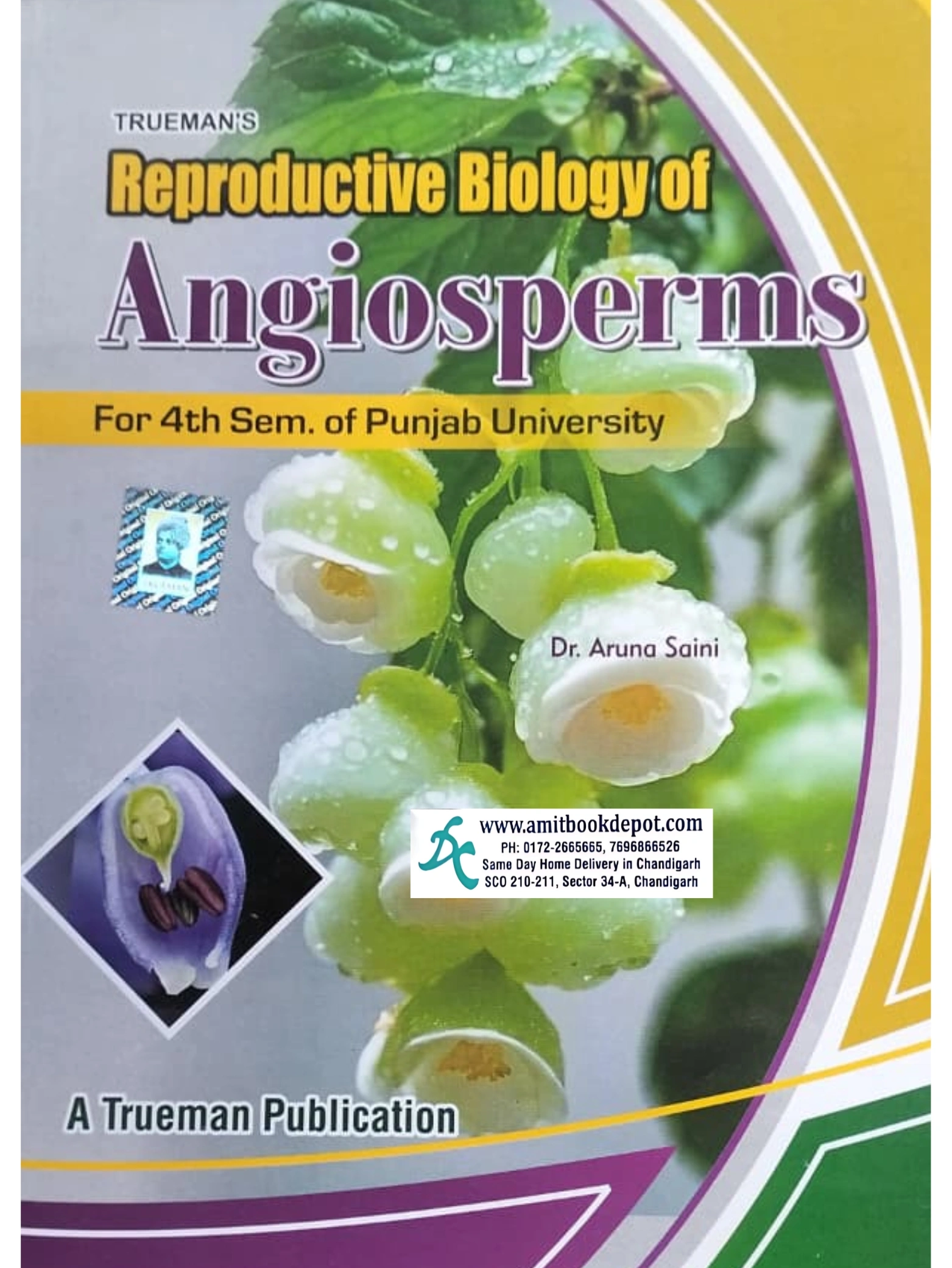
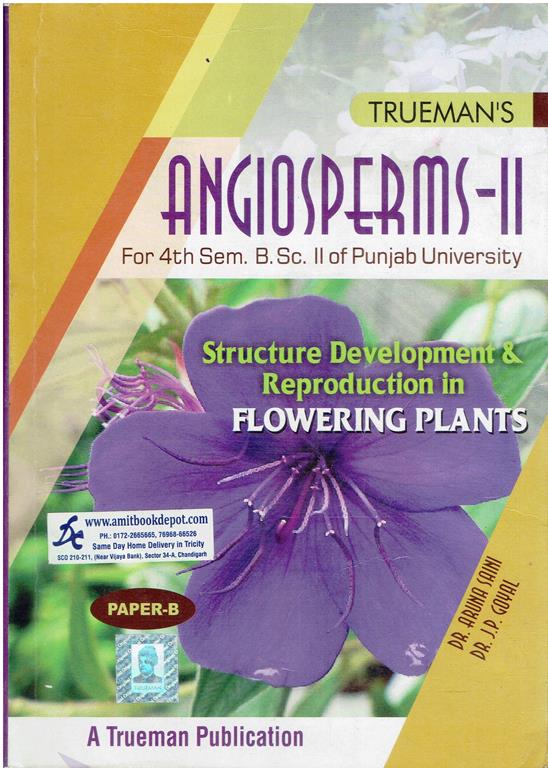
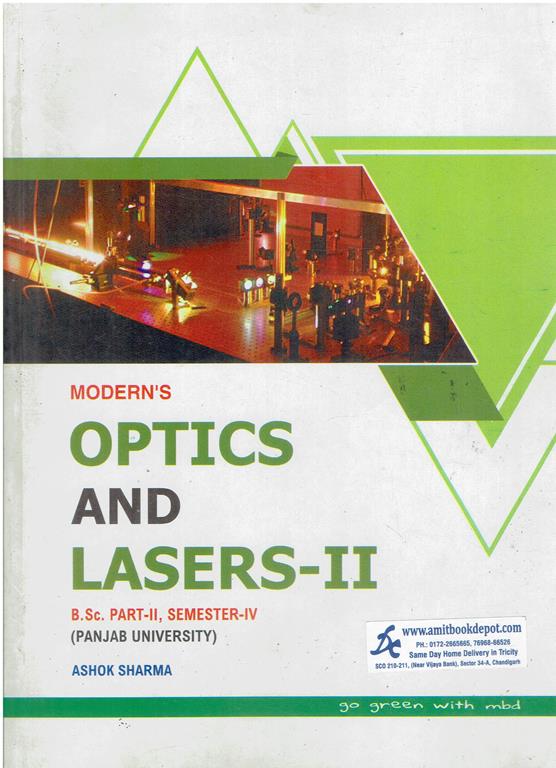
Yes, this edition of Trueman Angiosperms by Dr. Aruna Saini is the current and recommended text specifically designed to cover the prescribed syllabus for Punjab University's BSc 4th Semester (Botany) in its entirety. It is published by Trueman Book Company, a trusted name for university-level academic content.
Absolutely. The book is well-known for its clear, instructive, and accurately labeled diagrams, especially for complex microscopic processes like the development of male and female gametophytes, structure of seeds, and floral anatomy, which are essential for visual learning and scoring well in diagram-based questions.
The content is written in a clear, explanatory style specifically for undergraduate students. Dr. Aruna Saini presents complex topics in a logical, step-by-step manner, making it highly effective for self-study. It serves as an excellent primary resource to build a strong conceptual understanding independently.
Yes, Unit I on the "Flower" is covered in extensive, multi-part detail (1, 1A, 1B, 1C) as reflected in the contents, ensuring comprehensive coverage of floral morphology, whorls, symmetry, types, and all other sub-topics mandated by the university.
While its primary focus is the Punjab University semester exam, the strong foundational knowledge it provides in core angiosperm topics like reproduction, pollination, and seed biology makes it a valuable starting resource for building concepts for various postgraduate entrance and competitive examinations in the life sciences.
Yes, Unit IV comprehensively covers various methods of vegetative propagation, explaining both natural means (like runners, tubers, bulbs) and artificial techniques (like cutting, grafting, layering), along with their significance.
Yes, the author introduces and defines all essential botanical terminology in a contextual manner. Important terms are often emphasized, making it easier for students to grasp and retain the specific language required for answering university exam questions accurately.
Yes, Unit II on Pollination provides a detailed analysis of different pollination agents (abiotic and biotic) and clearly describes the specific floral adaptations associated with each type, such as wind, insect, or bird pollination.
The core concepts of angiosperm biology covered in this book remain fundamental. While it is tailored to the specific published syllabus, the foundational knowledge it provides is perennial. It is advisable to cross-check the latest university syllabus, but this book will cover the vast majority of core topics.
Certainly. The book's unit flow is logical: it moves from Flower structure (Unit I) to Pollination (Unit II), then to the development of Gametophytes and Seed formation (Unit III), creating a clear, interconnected understanding of the entire reproductive cycle in angiosperms.
No Description Added
Yes, this edition of Trueman Angiosperms by Dr. Aruna Saini is the current and recommended text specifically designed to cover the prescribed syllabus for Punjab University's BSc 4th Semester (Botany) in its entirety. It is published by Trueman Book Company, a trusted name for university-level academic content.
Absolutely. The book is well-known for its clear, instructive, and accurately labeled diagrams, especially for complex microscopic processes like the development of male and female gametophytes, structure of seeds, and floral anatomy, which are essential for visual learning and scoring well in diagram-based questions.
The content is written in a clear, explanatory style specifically for undergraduate students. Dr. Aruna Saini presents complex topics in a logical, step-by-step manner, making it highly effective for self-study. It serves as an excellent primary resource to build a strong conceptual understanding independently.
Yes, Unit I on the "Flower" is covered in extensive, multi-part detail (1, 1A, 1B, 1C) as reflected in the contents, ensuring comprehensive coverage of floral morphology, whorls, symmetry, types, and all other sub-topics mandated by the university.
While its primary focus is the Punjab University semester exam, the strong foundational knowledge it provides in core angiosperm topics like reproduction, pollination, and seed biology makes it a valuable starting resource for building concepts for various postgraduate entrance and competitive examinations in the life sciences.
Yes, Unit IV comprehensively covers various methods of vegetative propagation, explaining both natural means (like runners, tubers, bulbs) and artificial techniques (like cutting, grafting, layering), along with their significance.
Yes, the author introduces and defines all essential botanical terminology in a contextual manner. Important terms are often emphasized, making it easier for students to grasp and retain the specific language required for answering university exam questions accurately.
Yes, Unit II on Pollination provides a detailed analysis of different pollination agents (abiotic and biotic) and clearly describes the specific floral adaptations associated with each type, such as wind, insect, or bird pollination.
The core concepts of angiosperm biology covered in this book remain fundamental. While it is tailored to the specific published syllabus, the foundational knowledge it provides is perennial. It is advisable to cross-check the latest university syllabus, but this book will cover the vast majority of core topics.
Certainly. The book's unit flow is logical: it moves from Flower structure (Unit I) to Pollination (Unit II), then to the development of Gametophytes and Seed formation (Unit III), creating a clear, interconnected understanding of the entire reproductive cycle in angiosperms.