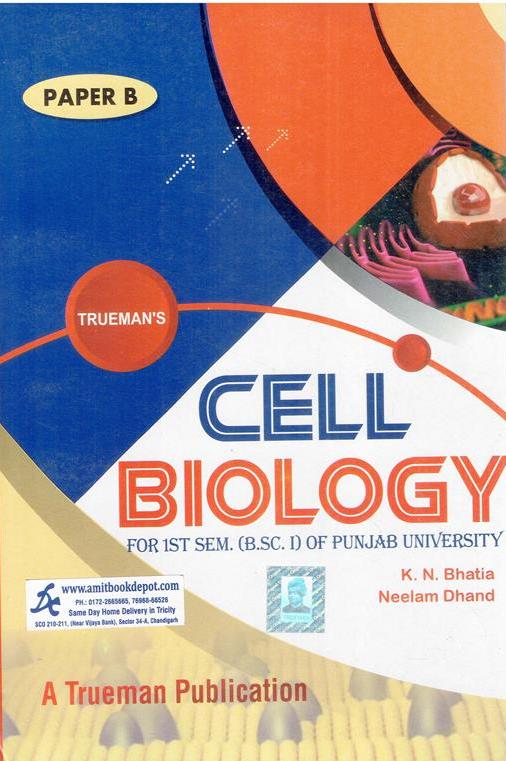
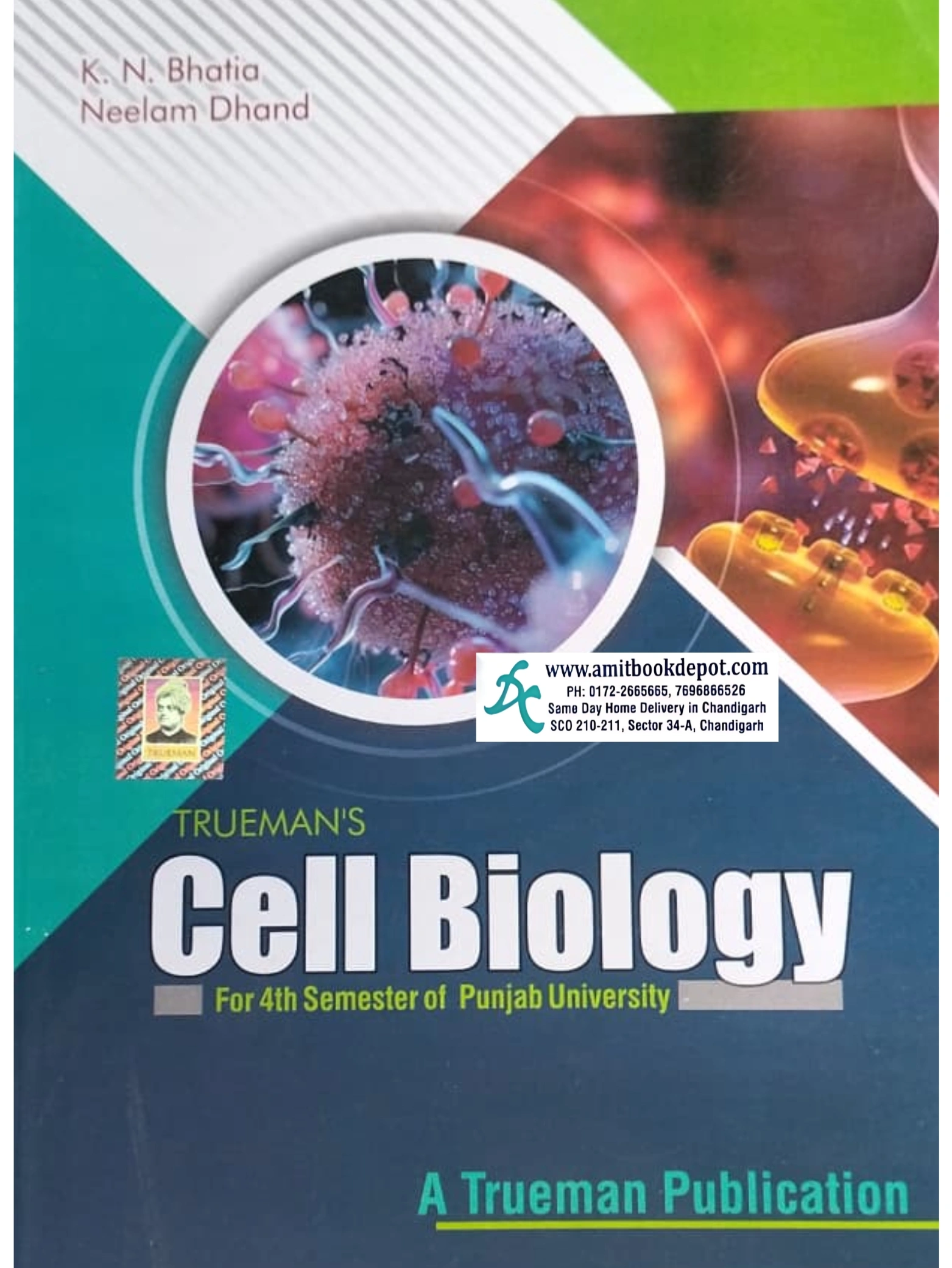
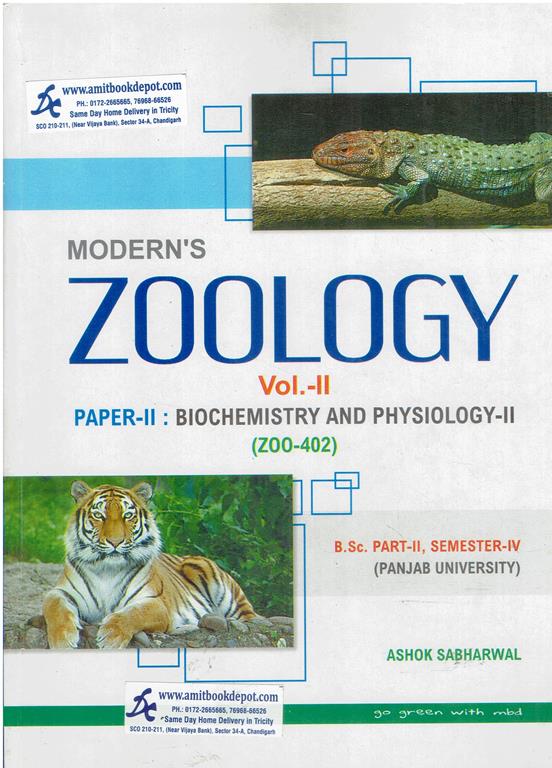
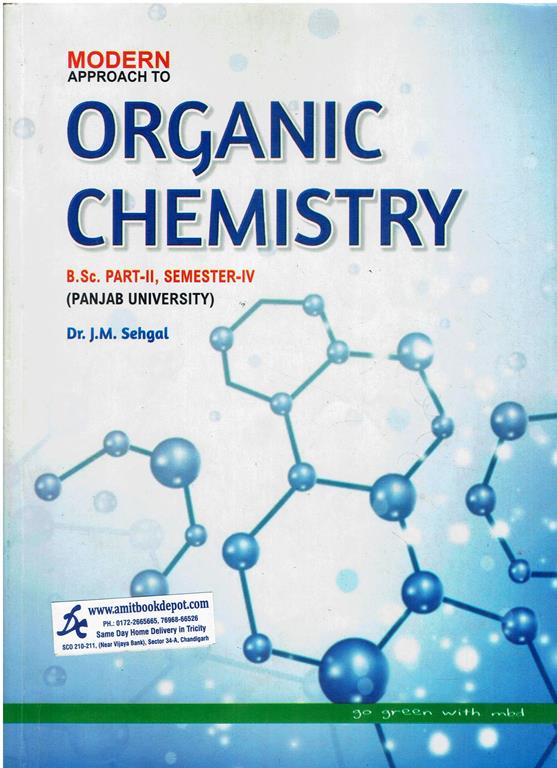
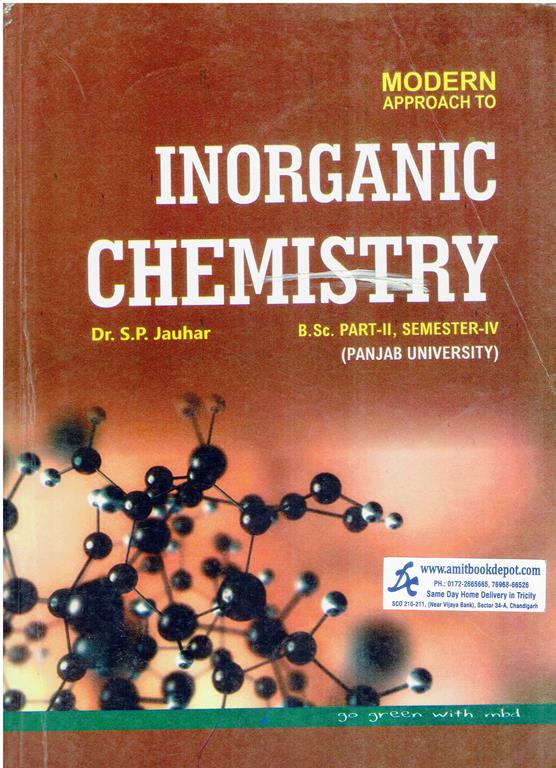
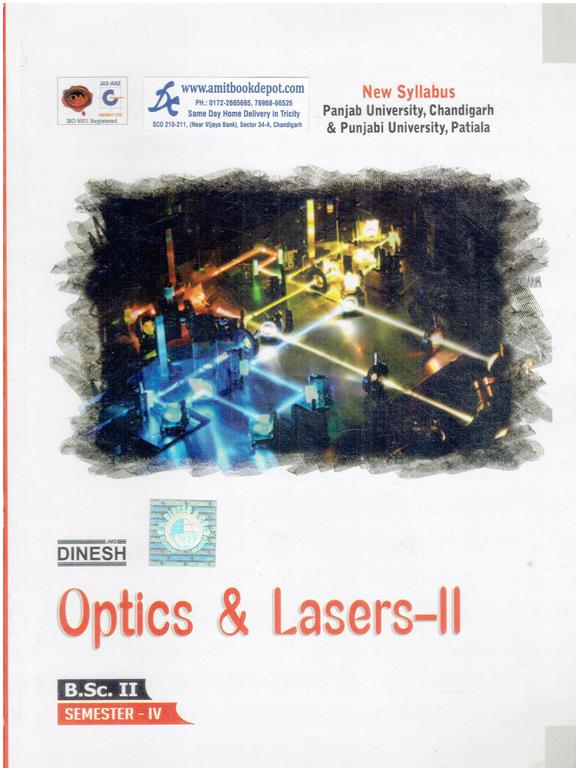
Yes, this book is meticulously crafted to cover every topic outlined in the Punjab University syllabus for Cell Biology. The "Contents" section is structured into the prescribed units for precise academic preparation.
This is the latest prescribed edition from Trueman Book Company. We recommend verifying the academic year's booklist from your department, but this edition is currently the standard recommended text.
Absolutely. The authors use simplified language and classic genetic examples to break down complex interactions like epistasis, making them accessible for undergraduate students.
The book provides a dedicated, comparative analysis with clear textual distinctions and illustrative diagrams, which are crucial for writing detailed, high-scoring answers in university exams.
It includes specific, syllabus-relevant examples such as inheritance in Mirabilis jalapa (four o'clock plant) and references to human mitochondrial disorders to illustrate the principles of extranuclear inheritance concretely.
Yes, the book methodically explains different types of chromosomal aberrations—deletions, duplications, inversions, translusions, aneuploidy, and polyploidy—often using diagrams to clarify the mechanisms and outcomes.
Yes, the structure of the bacterial cell is covered in appropriate depth for the BSc level, including key components like the nucleoid, cell wall, capsule, flagella, and pili, supported by relevant diagrams.
The chapter comprehensively covers sex-linked inheritance, including X-linked recessive and dominant traits, Y-linked inheritance, and classic human examples such as color blindness and hemophilia, which are frequently asked in exams.
This book, "Cell Biology" by Bhatia and Dhand, is a specialized, subject-focused volume designed specifically for the 4th-semester syllabus. It delves deeper into the required cellular and genetic topics than the broader "Elementary Biology" volume, making it more targeted and detailed for this semester.
This book is considered the definitive theory resource for the syllabus and includes essential diagrams. For optimal preparation, most students successfully combine it with dedicated diagram books and university-specific solved question papers for comprehensive exam readiness.
No Description Added
Yes, this book is meticulously crafted to cover every topic outlined in the Punjab University syllabus for Cell Biology. The "Contents" section is structured into the prescribed units for precise academic preparation.
This is the latest prescribed edition from Trueman Book Company. We recommend verifying the academic year's booklist from your department, but this edition is currently the standard recommended text.
Absolutely. The authors use simplified language and classic genetic examples to break down complex interactions like epistasis, making them accessible for undergraduate students.
The book provides a dedicated, comparative analysis with clear textual distinctions and illustrative diagrams, which are crucial for writing detailed, high-scoring answers in university exams.
It includes specific, syllabus-relevant examples such as inheritance in Mirabilis jalapa (four o'clock plant) and references to human mitochondrial disorders to illustrate the principles of extranuclear inheritance concretely.
Yes, the book methodically explains different types of chromosomal aberrations—deletions, duplications, inversions, translusions, aneuploidy, and polyploidy—often using diagrams to clarify the mechanisms and outcomes.
Yes, the structure of the bacterial cell is covered in appropriate depth for the BSc level, including key components like the nucleoid, cell wall, capsule, flagella, and pili, supported by relevant diagrams.
The chapter comprehensively covers sex-linked inheritance, including X-linked recessive and dominant traits, Y-linked inheritance, and classic human examples such as color blindness and hemophilia, which are frequently asked in exams.
This book, "Cell Biology" by Bhatia and Dhand, is a specialized, subject-focused volume designed specifically for the 4th-semester syllabus. It delves deeper into the required cellular and genetic topics than the broader "Elementary Biology" volume, making it more targeted and detailed for this semester.
This book is considered the definitive theory resource for the syllabus and includes essential diagrams. For optimal preparation, most students successfully combine it with dedicated diagram books and university-specific solved question papers for comprehensive exam readiness.