-
Mon-Fri: 10AM to 8PM 01722665665
-
My Account
-
-
0
Total :
₹ 0.00






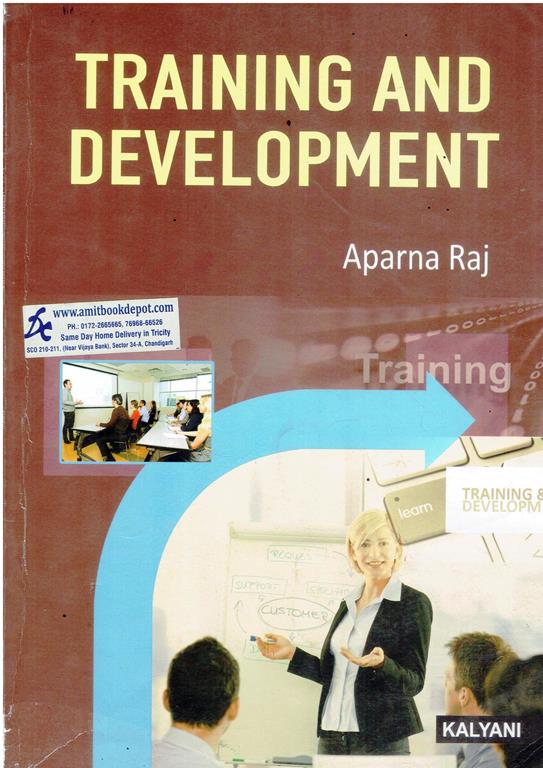
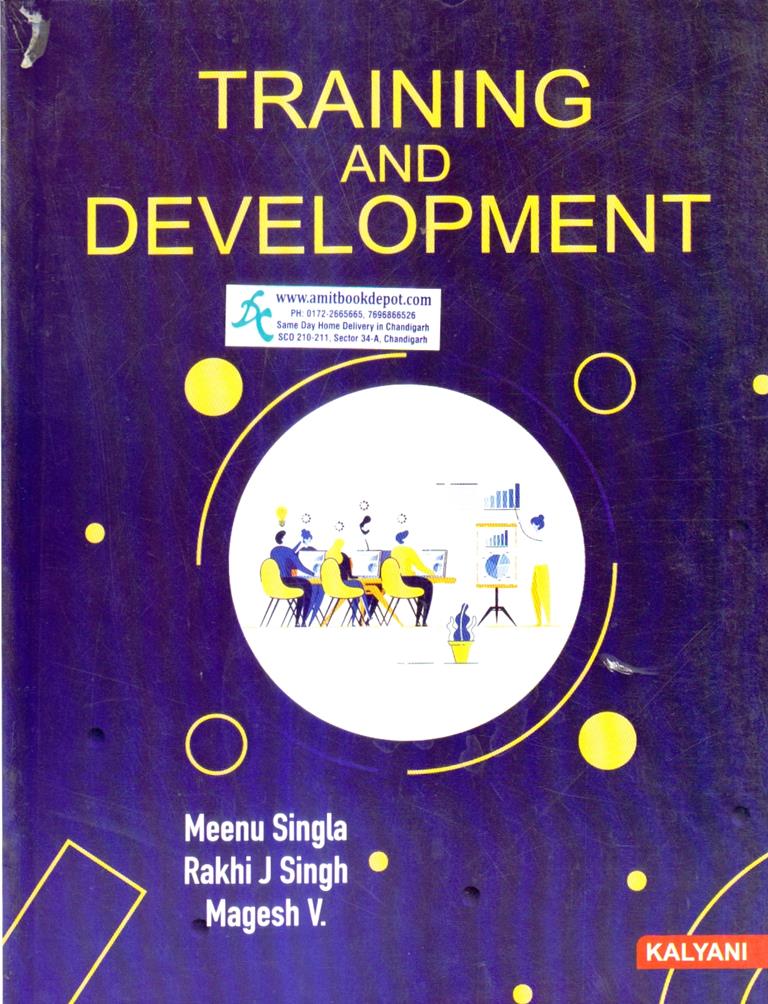
The book is primarily designed for students of Panjab University, Chandigarh, pursuing M.Com 4th Semester and B.Com (Honours) 4th Semester. It also serves as a valuable resource for aspiring HR professionals and management students interested in training and development.
The content is organized into four logical units, with clear definitions, key points, summaries, and exam-oriented explanations to facilitate effective revision and understanding.
Absolutely. The book discusses traditional and modern training techniques, including e-learning, simulations, on-the-job training, and contemporary trends shaping training in India and globally.
Yes, it covers various evaluation models like Kirkpatrick’s Four Levels, methods such as pre-post testing, ROI analysis, and the challenges faced during the evaluation process.
Yes, the book discusses emerging patterns, technological advancements, and globalization's impact, making students aware of current and future trends.
Yes, it details systematic techniques like surveys, interviews, and performance analysis to accurately identify organizational, task, and individual training needs.
While the primary focus is on theoretical and structured content, the book incorporates practical insights and examples to enhance understanding of various training methods and evaluation techniques.
Absolutely. It bridges academic concepts with practical HR practices, preparing students for exams and real-world HR management roles.
Yes, it covers the skills required for successful internal and external trainers, emphasizing their roles in effective training delivery.
Its comprehensive coverage aligned with the Panjab University syllabus, inclusion of contemporary trends, practical evaluation techniques, and emphasis on Indian training practices make it a distinctive resource.
No Description Added
The book is primarily designed for students of Panjab University, Chandigarh, pursuing M.Com 4th Semester and B.Com (Honours) 4th Semester. It also serves as a valuable resource for aspiring HR professionals and management students interested in training and development.
The content is organized into four logical units, with clear definitions, key points, summaries, and exam-oriented explanations to facilitate effective revision and understanding.
Absolutely. The book discusses traditional and modern training techniques, including e-learning, simulations, on-the-job training, and contemporary trends shaping training in India and globally.
Yes, it covers various evaluation models like Kirkpatrick’s Four Levels, methods such as pre-post testing, ROI analysis, and the challenges faced during the evaluation process.
Yes, the book discusses emerging patterns, technological advancements, and globalization's impact, making students aware of current and future trends.
Yes, it details systematic techniques like surveys, interviews, and performance analysis to accurately identify organizational, task, and individual training needs.
While the primary focus is on theoretical and structured content, the book incorporates practical insights and examples to enhance understanding of various training methods and evaluation techniques.
Absolutely. It bridges academic concepts with practical HR practices, preparing students for exams and real-world HR management roles.
Yes, it covers the skills required for successful internal and external trainers, emphasizing their roles in effective training delivery.
Its comprehensive coverage aligned with the Panjab University syllabus, inclusion of contemporary trends, practical evaluation techniques, and emphasis on Indian training practices make it a distinctive resource.