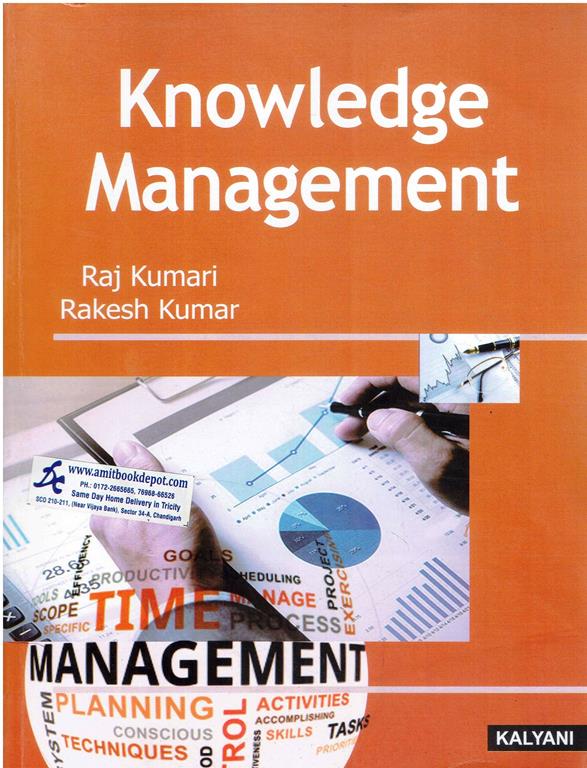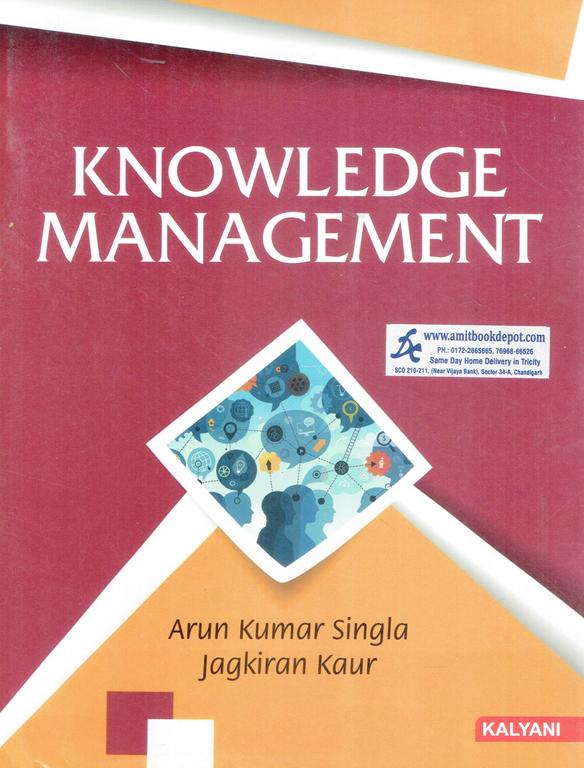





Yes, this book is meticulously crafted to cover 100% of the prescribed syllabus for Paper MC. 402, including all units and topics as outlined by Panjab University, Chandigarh.
Absolutely. The language is clear and the content is structured logically, making it an excellent resource for both regular and distance learning students.
The book is primarily focused on building strong conceptual foundations as required by the university syllabus. For specific case studies, it is recommended to supplement with current business journals and articles.
This is covered in the very first chapter, "Concept of Knowledge," which clearly distinguishes between data, information, and knowledge, establishing a fundamental understanding for the entire subject.
Yes, Unit-I dedicates a full chapter to this concept, explaining how organizations can leverage their intellectual capital to gain a sustainable advantage over competitors.
The book provides a managerial overview of KMS, explaining their purpose, components, and role in an organization. It is not a technical guide to software development.
Yes, Chapter 25, "Role of Top & Middle Management," specifically addresses the responsibilities and strategic roles that leaders play in fostering a knowledge-driven culture.
Unit-IV is entirely dedicated to KM strategy, covering its alignment with business strategy, knowledge architecture, and organizational design, providing a framework for understanding strategy formulation.
Yes, the book addresses the common organizational and cultural barriers to knowledge sharing and provides insights into the conditions needed to overcome them.
Yes, Chapter 10 is dedicated to the Knowledge Value Chain, breaking down the sequence of activities that add value to raw information and data, transforming it into a valuable organizational asset.
No Description Added
Yes, this book is meticulously crafted to cover 100% of the prescribed syllabus for Paper MC. 402, including all units and topics as outlined by Panjab University, Chandigarh.
Absolutely. The language is clear and the content is structured logically, making it an excellent resource for both regular and distance learning students.
The book is primarily focused on building strong conceptual foundations as required by the university syllabus. For specific case studies, it is recommended to supplement with current business journals and articles.
This is covered in the very first chapter, "Concept of Knowledge," which clearly distinguishes between data, information, and knowledge, establishing a fundamental understanding for the entire subject.
Yes, Unit-I dedicates a full chapter to this concept, explaining how organizations can leverage their intellectual capital to gain a sustainable advantage over competitors.
The book provides a managerial overview of KMS, explaining their purpose, components, and role in an organization. It is not a technical guide to software development.
Yes, Chapter 25, "Role of Top & Middle Management," specifically addresses the responsibilities and strategic roles that leaders play in fostering a knowledge-driven culture.
Unit-IV is entirely dedicated to KM strategy, covering its alignment with business strategy, knowledge architecture, and organizational design, providing a framework for understanding strategy formulation.
Yes, the book addresses the common organizational and cultural barriers to knowledge sharing and provides insights into the conditions needed to overcome them.
Yes, Chapter 10 is dedicated to the Knowledge Value Chain, breaking down the sequence of activities that add value to raw information and data, transforming it into a valuable organizational asset.