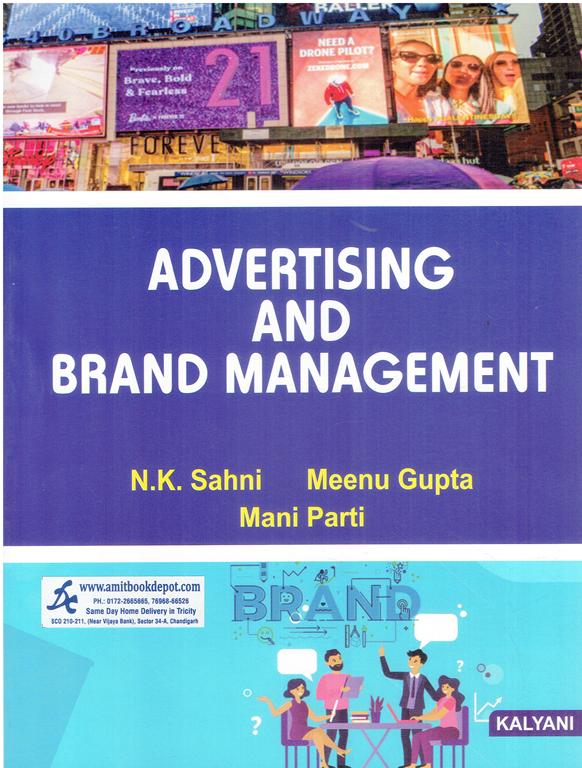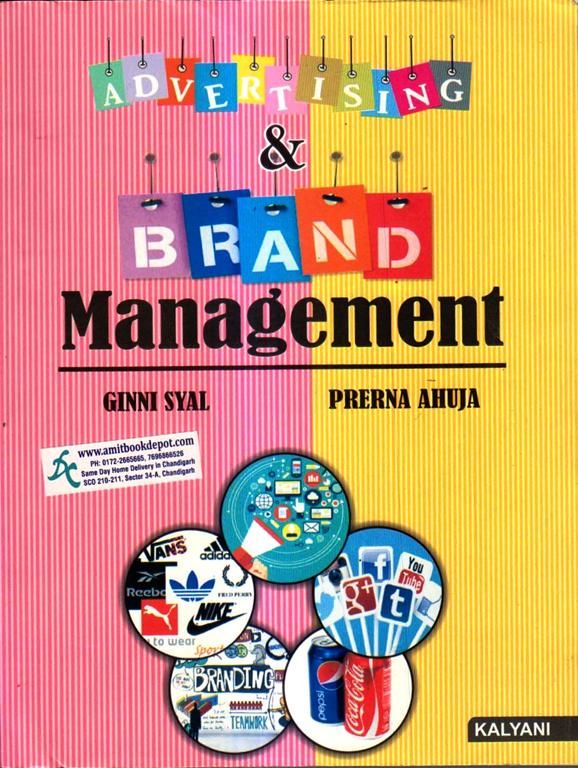
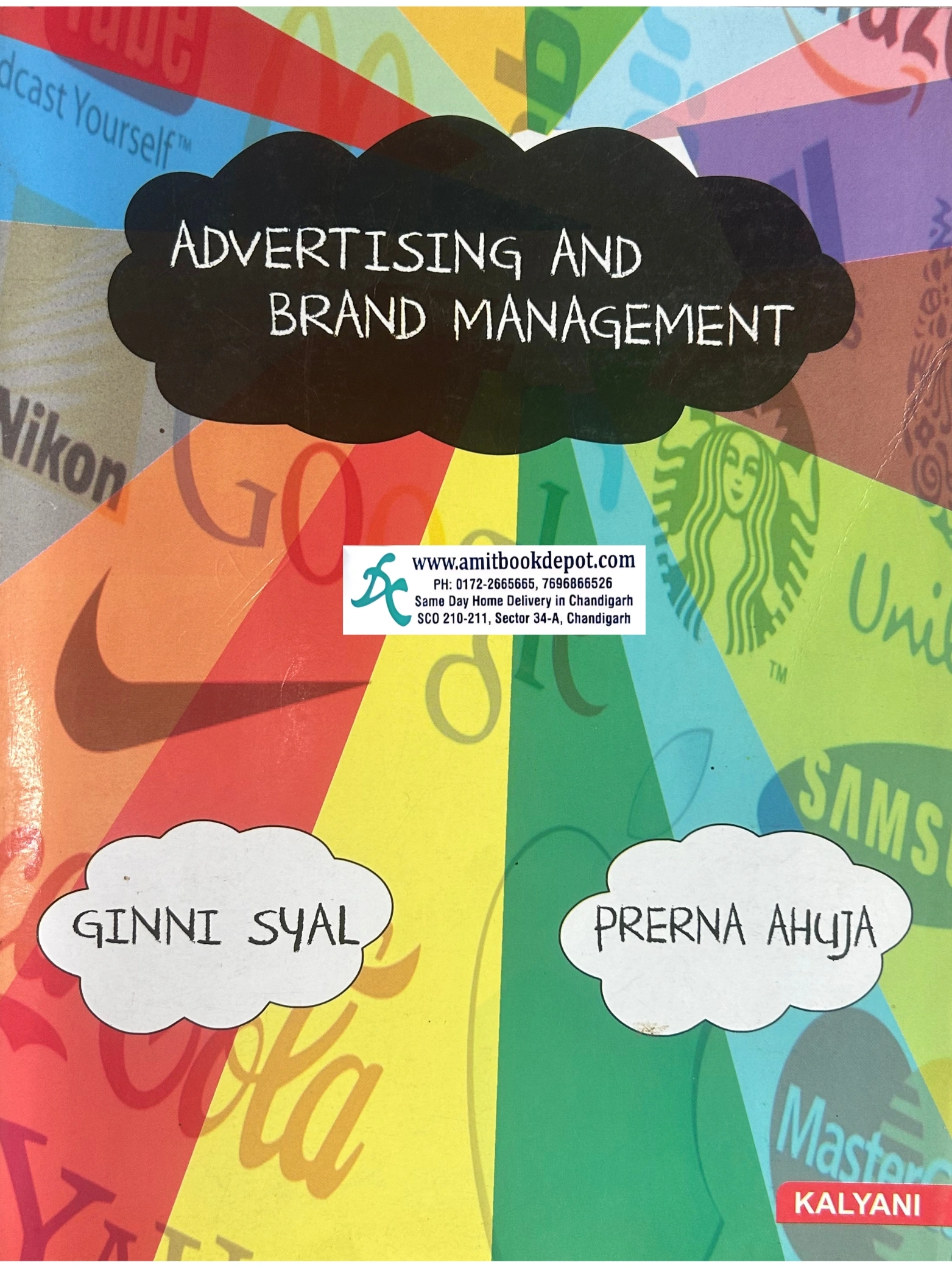



Yes, the book's contents and structure are meticulously designed to cover all topics outlined in the official Panjab University syllabus for BBA 325, Unit I and Unit II.
Yes, the book dedicates specific sections to explaining key marketing communication and brand identity models, including DAGMAR, AIDA, DRIP, Lavidge and Steiner, Aaker's Model, and Kapferer's Brand Identity Prism.
Absolutely. It features contemporary case studies such as Google reshaping advertising, Coca-Cola's branding lessons, Mercedes-Benz's creativity, and media planning for The Da Vinci Code, providing practical industry insights.
Comprehensively. Chapters on "Advertisement Appropriations" detail top-down and build-up budgeting approaches, while the "Advertising Media" chapter explains media types, planning, strategy, and scheduling factors.
Yes, the book has distinct chapters clarifying Brand Identity vs. Image, Brand Personality, and Brand Equity, explaining their unique roles and interconnections in brand management.
Yes. The chapter on "Stretching Success Through Brand Strategies" provides a balanced view, detailing the advantages, disadvantages, and methods for evaluating brand extension opportunities.
Yes. It covers the definition, benefits, types, and measures of brand loyalty, and importantly, discusses why customer loyalty is declining and how to control this decline.
Yes, the book covers celebrity endorsement within the chapter on Brand Positioning, explaining its role and context in modern marketing strategies.
Yes. Unit I includes a chapter on measuring advertising effectiveness, and Unit II details various methods for measuring brand equity, including cost-based, price-based, and consumer-based approaches.
Yes. A dedicated chapter on "Creativity in Advertising" walks through the creative process, planning creative strategy, taking risks, and developing major selling ideas.
No Description Added
Yes, the book's contents and structure are meticulously designed to cover all topics outlined in the official Panjab University syllabus for BBA 325, Unit I and Unit II.
Yes, the book dedicates specific sections to explaining key marketing communication and brand identity models, including DAGMAR, AIDA, DRIP, Lavidge and Steiner, Aaker's Model, and Kapferer's Brand Identity Prism.
Absolutely. It features contemporary case studies such as Google reshaping advertising, Coca-Cola's branding lessons, Mercedes-Benz's creativity, and media planning for The Da Vinci Code, providing practical industry insights.
Comprehensively. Chapters on "Advertisement Appropriations" detail top-down and build-up budgeting approaches, while the "Advertising Media" chapter explains media types, planning, strategy, and scheduling factors.
Yes, the book has distinct chapters clarifying Brand Identity vs. Image, Brand Personality, and Brand Equity, explaining their unique roles and interconnections in brand management.
Yes. The chapter on "Stretching Success Through Brand Strategies" provides a balanced view, detailing the advantages, disadvantages, and methods for evaluating brand extension opportunities.
Yes. It covers the definition, benefits, types, and measures of brand loyalty, and importantly, discusses why customer loyalty is declining and how to control this decline.
Yes, the book covers celebrity endorsement within the chapter on Brand Positioning, explaining its role and context in modern marketing strategies.
Yes. Unit I includes a chapter on measuring advertising effectiveness, and Unit II details various methods for measuring brand equity, including cost-based, price-based, and consumer-based approaches.
Yes. A dedicated chapter on "Creativity in Advertising" walks through the creative process, planning creative strategy, taking risks, and developing major selling ideas.