-
Mon-Fri: 10AM to 8PM 01722665665
-
My Account
-
-
0
Total :
₹ 0.00

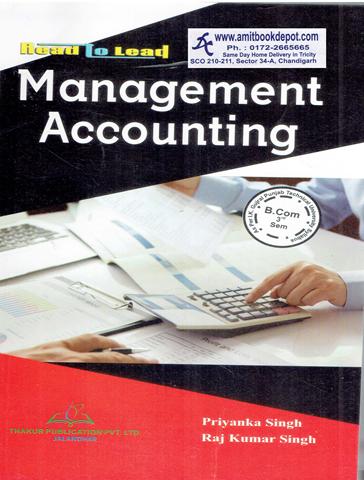

Yes, the book is meticulously structured to cover every topic outlined in the official PTU syllabus for course code BCOM 301-18, ensuring complete and relevant coverage for your semester exams.
Yes, Unit III specifically addresses the preparation of Cash Flow Statements in accordance with AS-3 norms, which is a crucial part of the syllabus.
Yes, Chapter 4 on Budgetary Control provides detailed explanations and coverage of Functional Budgets, Fixed Budgets, Flexible Budgets, and Zero-Based Budgeting (ZBB) as required by the PTU syllabus.
Yes, Chapter 3 on Ratio Analysis is dedicated to explaining the nature, types, uses, and limitations of various ratios, along with clear methods for their computation, including liquidity, turnover, profitability, and solvency ratios.
Yes, the book starts with an introduction that differentiates management accounting from financial and cost accounting, making it accessible for students who are new to the subject.
While this book is specifically designed for the BCOM PTU syllabus and provides a strong foundation, professional courses like CA or CMA have their own dedicated and more advanced study material. This book can serve as a good introductory reference.
Yes, Chapter 7 on Responsibility Accounting includes a section on Divisional Performance Measurement that covers both Financial and Non-Financial Performance Measures.
Yes, the book is written in clear, straightforward English with a structured, point-wise presentation of concepts, making it accessible for students who are non-native English speakers.
Yes, due to its syllabus-aligned structure, clear explanations, and inclusion of chapter exercises, this book is an excellent resource for self-study.
Yes, these methods of financial statement analysis are covered in detail in Chapter 2 of the book, under the unit "Analysis and Interpretation of Financial Statements."
No Description Added
Yes, the book is meticulously structured to cover every topic outlined in the official PTU syllabus for course code BCOM 301-18, ensuring complete and relevant coverage for your semester exams.
Yes, Unit III specifically addresses the preparation of Cash Flow Statements in accordance with AS-3 norms, which is a crucial part of the syllabus.
Yes, Chapter 4 on Budgetary Control provides detailed explanations and coverage of Functional Budgets, Fixed Budgets, Flexible Budgets, and Zero-Based Budgeting (ZBB) as required by the PTU syllabus.
Yes, Chapter 3 on Ratio Analysis is dedicated to explaining the nature, types, uses, and limitations of various ratios, along with clear methods for their computation, including liquidity, turnover, profitability, and solvency ratios.
Yes, the book starts with an introduction that differentiates management accounting from financial and cost accounting, making it accessible for students who are new to the subject.
While this book is specifically designed for the BCOM PTU syllabus and provides a strong foundation, professional courses like CA or CMA have their own dedicated and more advanced study material. This book can serve as a good introductory reference.
Yes, Chapter 7 on Responsibility Accounting includes a section on Divisional Performance Measurement that covers both Financial and Non-Financial Performance Measures.
Yes, the book is written in clear, straightforward English with a structured, point-wise presentation of concepts, making it accessible for students who are non-native English speakers.
Yes, due to its syllabus-aligned structure, clear explanations, and inclusion of chapter exercises, this book is an excellent resource for self-study.
Yes, these methods of financial statement analysis are covered in detail in Chapter 2 of the book, under the unit "Analysis and Interpretation of Financial Statements."