-
Mon-Fri: 10AM to 8PM 01722665665
-
My Account
-
-
0
Total :
₹ 0.00



No, this is a critical guide and analysis. It provides detailed summaries, explanations, and commentary on the prescribed texts, but it does not reproduce the full, copyrighted texts themselves. You will need to access the original texts separately.
The guide breaks down the complex arguments of Underwood and Hayot into digestible concepts, explaining the historical context of periodization and the contemporary criticisms against it, making this challenging unit more accessible for exam preparation.
Yes, the guide explicitly links the themes in Borges' story—such as infinite play, paradox, and the structure of knowledge—to the broader theoretical frameworks of postmodernism outlined by Hutcheon and Hassan, providing a practical application of the theory.
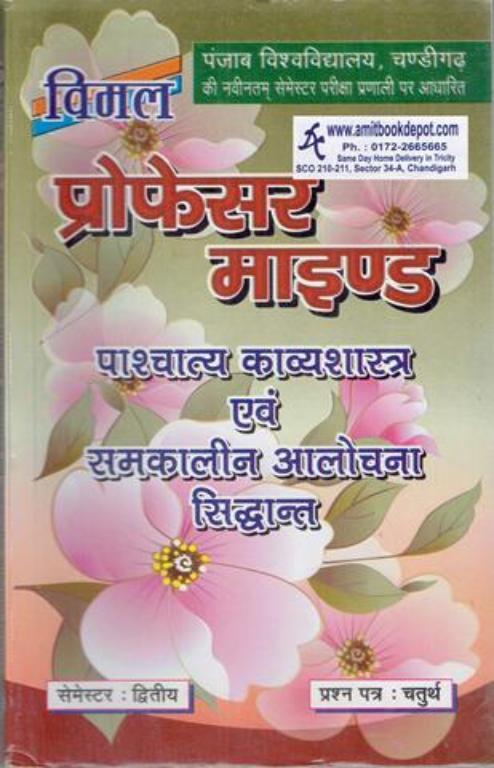
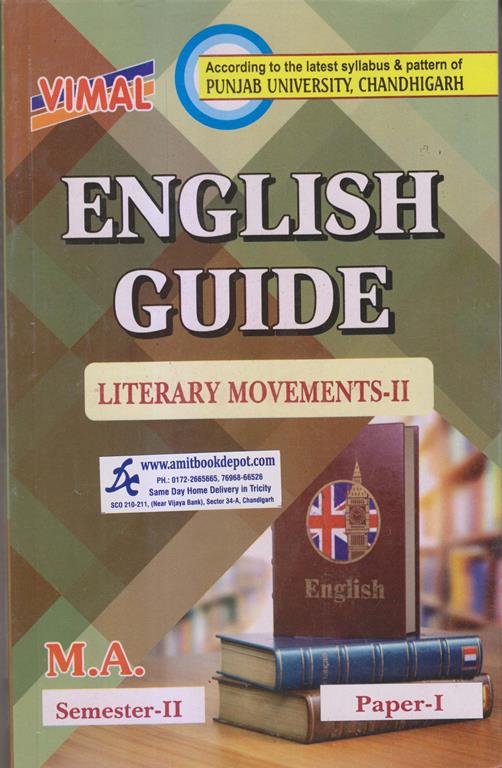
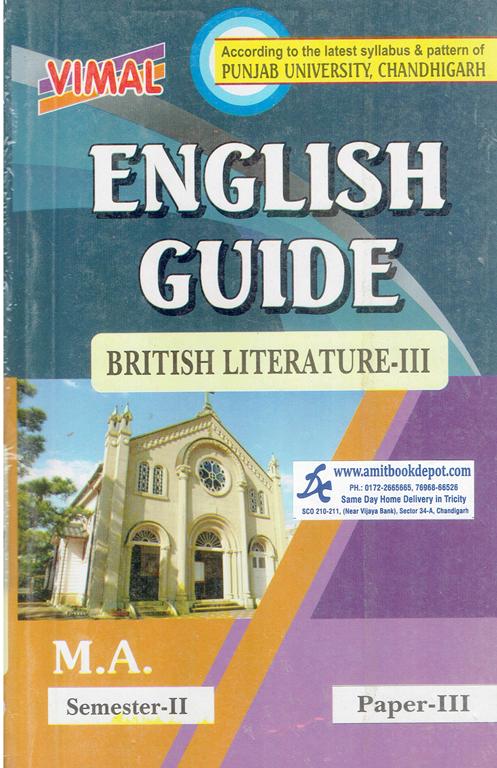
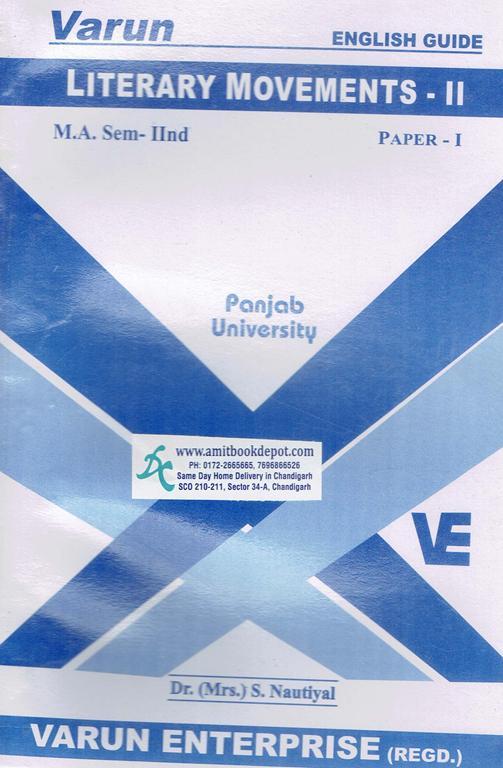
This guide is specifically crafted for the M.A. 2nd Semester, Paper 1 syllabus as prescribed by Panjab University, Chandigarh. It is always recommended to cross-check with the latest university syllabus bulletin.
The guide provides a detailed analysis of Chapter 17, where Eliot outlines her realist manifesto, and also gives essential context about the novel's plot and characters to help you understand how the chapter fits into the whole work.
The guide focuses exclusively on the prescribed texts from all five units to provide deep, concentrated knowledge. The "Suggested Readings" are not covered, as per the university's directive that no questions will be set from them.
Absolutely. A key feature of this guide is its clear and student-friendly language, designed to demystify complex theoretical concepts and make them understandable for all levels of learners.
The guide translates Pound's aphoristic and directive language into clear, explanatory prose, breaking down his advice for poets into key takeaways about Imagist and Modernist principles.
Yes, the guide explains the theoretical framework of "The Empire Writes Back" and then shows how Ngugi wa Thiong’o's essay is a practical and political application of similar decolonizing principles.
The guide is structured to facilitate revision, with clear section headings and focused commentary that allows students to quickly recap the essential arguments and concepts from each theorist and text.
No, this is a critical guide and analysis. It provides detailed summaries, explanations, and commentary on the prescribed texts, but it does not reproduce the full, copyrighted texts themselves. You will need to access the original texts separately.
The guide breaks down the complex arguments of Underwood and Hayot into digestible concepts, explaining the historical context of periodization and the contemporary criticisms against it, making this challenging unit more accessible for exam preparation.
Yes, the guide explicitly links the themes in Borges' story—such as infinite play, paradox, and the structure of knowledge—to the broader theoretical frameworks of postmodernism outlined by Hutcheon and Hassan, providing a practical application of the theory.
This guide is specifically crafted for the M.A. 2nd Semester, Paper 1 syllabus as prescribed by Panjab University, Chandigarh. It is always recommended to cross-check with the latest university syllabus bulletin.
The guide provides a detailed analysis of Chapter 17, where Eliot outlines her realist manifesto, and also gives essential context about the novel's plot and characters to help you understand how the chapter fits into the whole work.
The guide focuses exclusively on the prescribed texts from all five units to provide deep, concentrated knowledge. The "Suggested Readings" are not covered, as per the university's directive that no questions will be set from them.
Absolutely. A key feature of this guide is its clear and student-friendly language, designed to demystify complex theoretical concepts and make them understandable for all levels of learners.
The guide translates Pound's aphoristic and directive language into clear, explanatory prose, breaking down his advice for poets into key takeaways about Imagist and Modernist principles.
Yes, the guide explains the theoretical framework of "The Empire Writes Back" and then shows how Ngugi wa Thiong’o's essay is a practical and political application of similar decolonizing principles.
The guide is structured to facilitate revision, with clear section headings and focused commentary that allows students to quickly recap the essential arguments and concepts from each theorist and text.