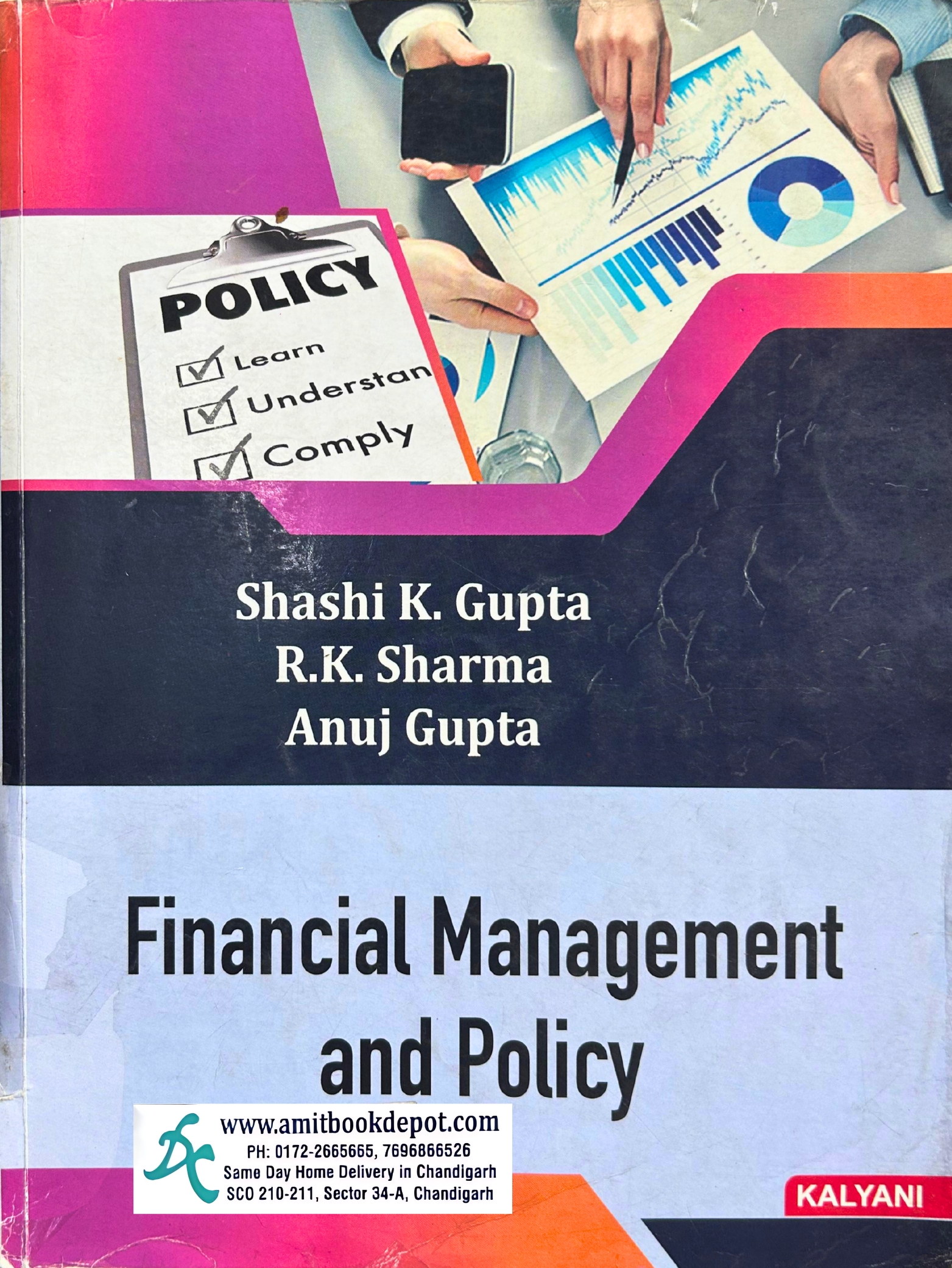





Yes, the content is meticulously structured to align with the prescribed units and topics of the MC.203 syllabus.
Yes, Unit II includes a dedicated chapter on Risk Analysis that explains both these important methods in detail.
Unit III provides comprehensive coverage of the Net Income (NI), Net Operating Income (NOI), Traditional, and Modigliani-Miller (M-M) theories.
Yes, Chapter 11 on Dividend Theories and Policy covers all three of these fundamental models as per the syllabus.
Absolutely. Unit IV covers the meaning, need, determinants, and includes methods for estimating working capital needs, along with dedicated chapters on cash, receivables, and inventory management.
Yes, Unit I, Chapter 4 on Financial Planning and Forecasting specifically addresses the preparation of pro forma income statements and balance sheets.
Yes, Leverages are covered in a dedicated chapter (Chapter 9) that explains the measurement and implications of operating, financial, and total leverage.
Yes, the calculation of WACC, along with the cost of different sources of capital, is thoroughly explained in Chapter 8: Cost of Capital.
Yes, its clear structure and syllabus-oriented content make it an excellent resource for both classroom learning and independent self-study.
Yes, Unit III includes a discussion on the various determinants that influence a firm's capital structure decision, covering both a total risk and market risk perspective.
No Description Added
Yes, the content is meticulously structured to align with the prescribed units and topics of the MC.203 syllabus.
Yes, Unit II includes a dedicated chapter on Risk Analysis that explains both these important methods in detail.
Unit III provides comprehensive coverage of the Net Income (NI), Net Operating Income (NOI), Traditional, and Modigliani-Miller (M-M) theories.
Yes, Chapter 11 on Dividend Theories and Policy covers all three of these fundamental models as per the syllabus.
Absolutely. Unit IV covers the meaning, need, determinants, and includes methods for estimating working capital needs, along with dedicated chapters on cash, receivables, and inventory management.
Yes, Unit I, Chapter 4 on Financial Planning and Forecasting specifically addresses the preparation of pro forma income statements and balance sheets.
Yes, Leverages are covered in a dedicated chapter (Chapter 9) that explains the measurement and implications of operating, financial, and total leverage.
Yes, the calculation of WACC, along with the cost of different sources of capital, is thoroughly explained in Chapter 8: Cost of Capital.
Yes, its clear structure and syllabus-oriented content make it an excellent resource for both classroom learning and independent self-study.
Yes, Unit III includes a discussion on the various determinants that influence a firm's capital structure decision, covering both a total risk and market risk perspective.