Yes, the book includes a dedicated section on GST-related updates from the Finance Act 2025, ensuring content is current as per university requirements.
Absolutely. The book has a specific practical component that guides students on preparing tax invoices, filling online registration forms, and understanding GST returns.
Yes, it is meticulously designed to cover the syllabi for both BCom (Course Code NBCM 302) and BBA (Course Code NBBA 304) programs.
Yes, the book includes numerical problems and solutions aligned with the university's paper pattern, which mandates numerical questions in all sections of the exam.
Yes, it provides a comprehensive overview of each act—CGST, IGST, and SGST/UTGST—with dedicated chapters explaining their specific provisions and applications.
Yes, there is a complete chapter on the 'Place of Supply' under the IGST Act, which is critical for understanding interstate and intrastate trade.
Yes, Chapter 13 is dedicated to the Composition Levy Scheme, explaining its features, benefits, and eligibility for taxpayers.
Yes, Chapter 12 covers the Reverse Charge Mechanism in detail, clarifying when the liability to pay tax shifts from the supplier to the recipient.
Yes, the book includes key definitions from the CGST and IGST Acts in the initial chapters to build a strong legal foundation.
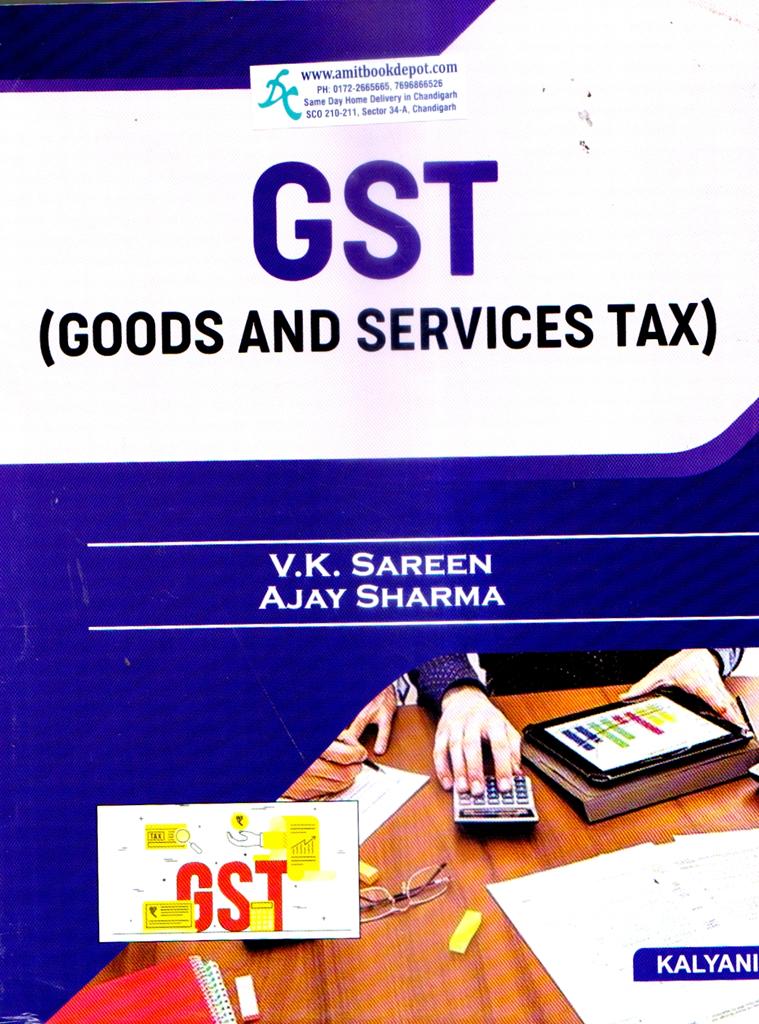
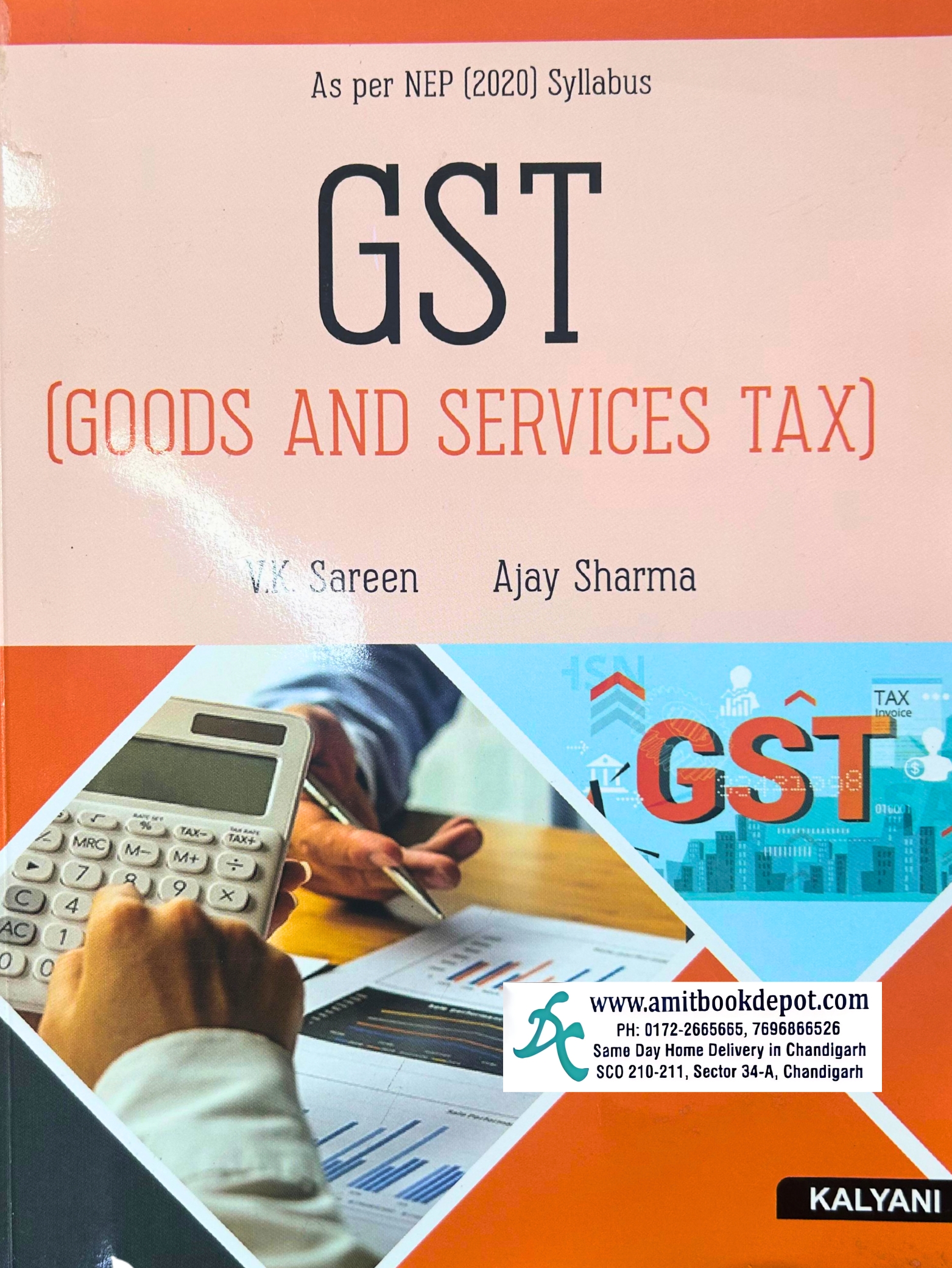
Yes, the authors have presented the complex GST laws in a structured and student-friendly manner to ensure easy comprehension and conceptual clarity.
No Description Added
Yes, the book includes a dedicated section on GST-related updates from the Finance Act 2025, ensuring content is current as per university requirements.
Absolutely. The book has a specific practical component that guides students on preparing tax invoices, filling online registration forms, and understanding GST returns.
Yes, it is meticulously designed to cover the syllabi for both BCom (Course Code NBCM 302) and BBA (Course Code NBBA 304) programs.
Yes, the book includes numerical problems and solutions aligned with the university's paper pattern, which mandates numerical questions in all sections of the exam.
Yes, it provides a comprehensive overview of each act—CGST, IGST, and SGST/UTGST—with dedicated chapters explaining their specific provisions and applications.
Yes, there is a complete chapter on the 'Place of Supply' under the IGST Act, which is critical for understanding interstate and intrastate trade.
Yes, Chapter 13 is dedicated to the Composition Levy Scheme, explaining its features, benefits, and eligibility for taxpayers.
Yes, Chapter 12 covers the Reverse Charge Mechanism in detail, clarifying when the liability to pay tax shifts from the supplier to the recipient.
Yes, the book includes key definitions from the CGST and IGST Acts in the initial chapters to build a strong legal foundation.
Yes, the authors have presented the complex GST laws in a structured and student-friendly manner to ensure easy comprehension and conceptual clarity.