-
Mon-Fri: 10AM to 8PM 01722665665
-
My Account
-
-
0
Total :
₹ 0.00

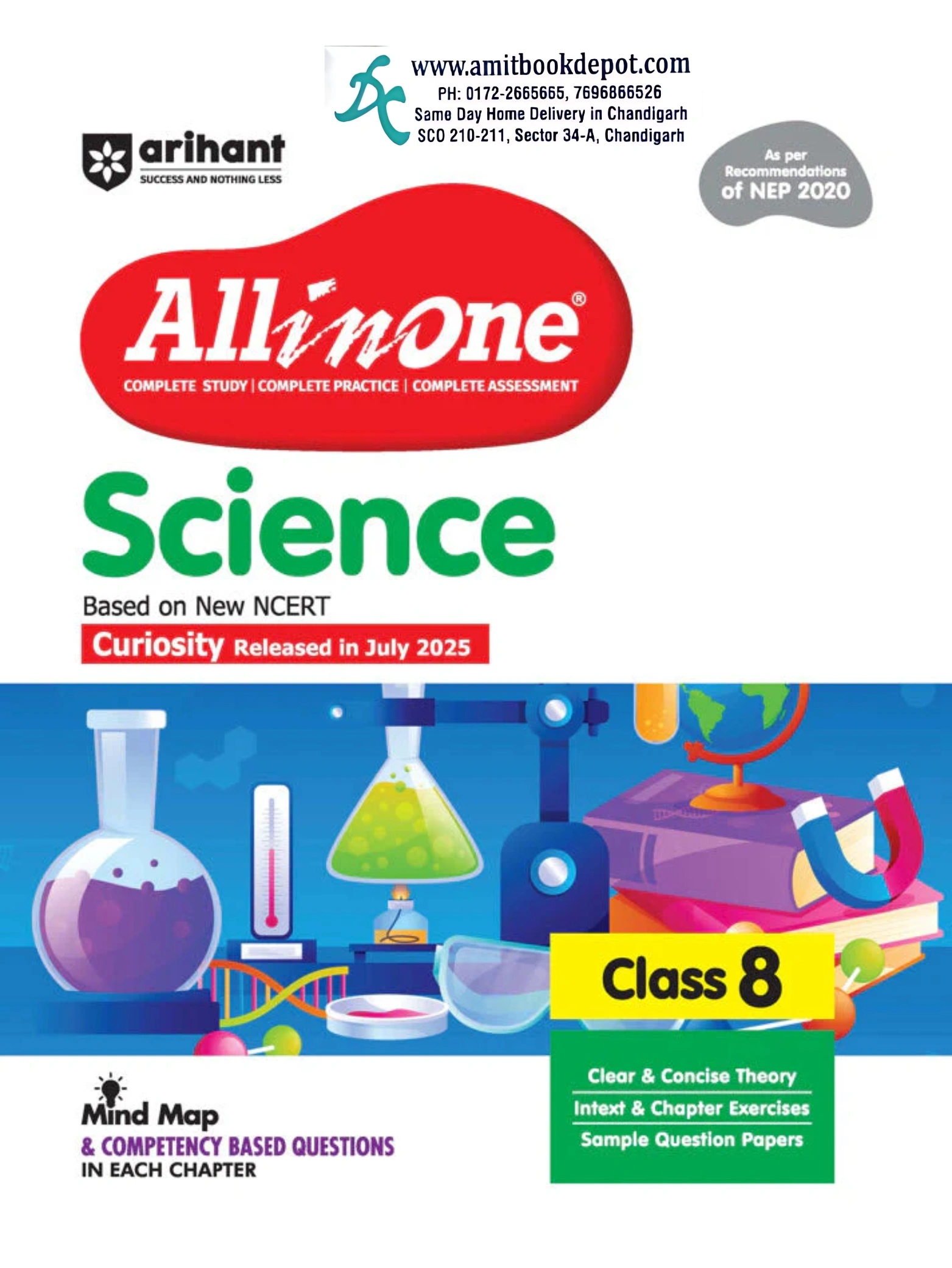




The book provides a comprehensive "NCERT Folder" with solutions to in-text and chapter-end questions. While it covers the conceptual outcomes of activities, for specific step-by-step lab manual procedures, referring to a dedicated lab manual is recommended.
These questions are specifically designed to test higher-order thinking skills like application, analysis, and evaluation. They go beyond memorization, focusing on real-world problem-solving, critical thinking, and interdisciplinary understanding, as emphasized in the NEP 2020 framework.
While the book is primarily structured for the NCERT/CBSE syllabus and school exams, the depth of theory, variety of questions, and skill-based sections provide a strong foundation. However, for specific competitive exams, additional resources focused on their particular pattern are advisable.
Yes, this dedicated section breaks down the approach and thought process behind solving skill-based questions, helping students understand the methodology and apply it to similar problems.
Absolutely. The theory is written in a clear, simple, and student-friendly language to make scientific concepts accessible to all learners, ensuring easy comprehension.
Yes, the book contains well-labeled, accurate, and detailed diagrams and illustrations essential for understanding and visualizing scientific concepts in chapters like Cells, Electricity, and Light.
Yes, chapters such as "How Nature Works in Harmony" and "Our Home: Earth" comprehensively cover topics like ecosystems, biodiversity, sustainable farming, the greenhouse effect, and threats to the environment.
Yes, the chapter "Our Home: Earth" specifically discusses the Greenhouse Effect, its causes, implications for life on Earth, and related environmental concerns.
Yes, the book often uses real-life examples and applications to explain scientific principles, making abstract concepts like force, pressure, and floating/sinking more relatable and understandable.
Certainly. The structured content, variety of questions (including skill-based), sample papers, and clear progression of topics make it a valuable resource for teachers in planning lessons and creating assessments.
No Description Added
The book provides a comprehensive "NCERT Folder" with solutions to in-text and chapter-end questions. While it covers the conceptual outcomes of activities, for specific step-by-step lab manual procedures, referring to a dedicated lab manual is recommended.
These questions are specifically designed to test higher-order thinking skills like application, analysis, and evaluation. They go beyond memorization, focusing on real-world problem-solving, critical thinking, and interdisciplinary understanding, as emphasized in the NEP 2020 framework.
While the book is primarily structured for the NCERT/CBSE syllabus and school exams, the depth of theory, variety of questions, and skill-based sections provide a strong foundation. However, for specific competitive exams, additional resources focused on their particular pattern are advisable.
Yes, this dedicated section breaks down the approach and thought process behind solving skill-based questions, helping students understand the methodology and apply it to similar problems.
Absolutely. The theory is written in a clear, simple, and student-friendly language to make scientific concepts accessible to all learners, ensuring easy comprehension.
Yes, the book contains well-labeled, accurate, and detailed diagrams and illustrations essential for understanding and visualizing scientific concepts in chapters like Cells, Electricity, and Light.
Yes, chapters such as "How Nature Works in Harmony" and "Our Home: Earth" comprehensively cover topics like ecosystems, biodiversity, sustainable farming, the greenhouse effect, and threats to the environment.
Yes, the chapter "Our Home: Earth" specifically discusses the Greenhouse Effect, its causes, implications for life on Earth, and related environmental concerns.
Yes, the book often uses real-life examples and applications to explain scientific principles, making abstract concepts like force, pressure, and floating/sinking more relatable and understandable.
Certainly. The structured content, variety of questions (including skill-based), sample papers, and clear progression of topics make it a valuable resource for teachers in planning lessons and creating assessments.