-
Mon-Fri: 10AM to 8PM 01722665665
-
My Account
-
-
0
Total :
₹ 0.00

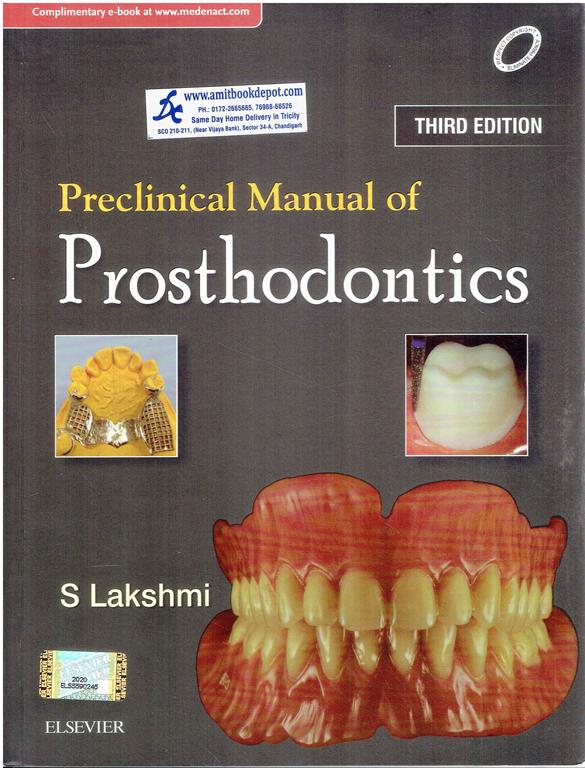
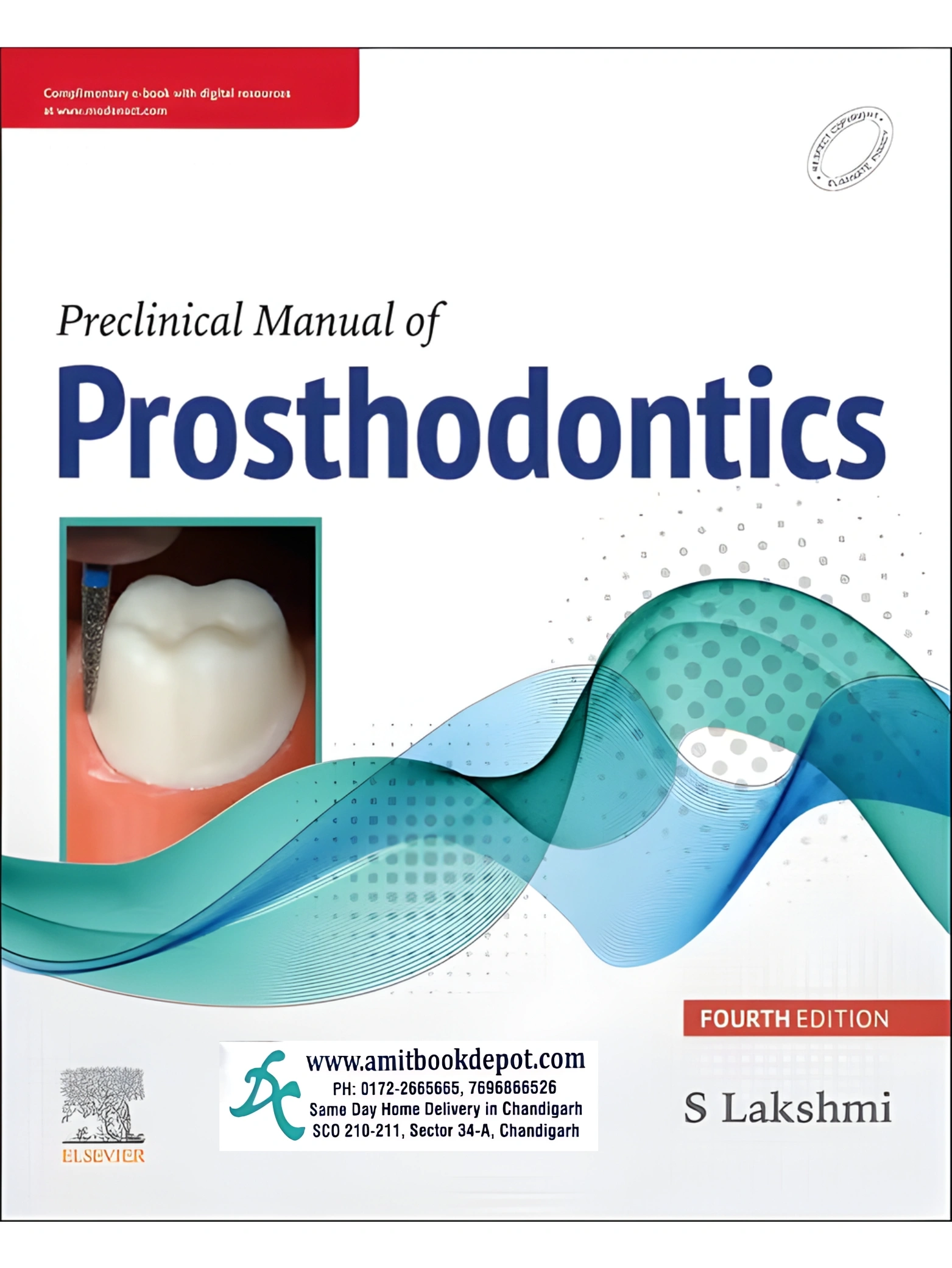





To analyze the path of insertion, identify undercuts, and determine the most retentive path for the prosthesis.
Type I is impression plaster, while Type III (dental stone) is stronger, used for creating working casts.
It records the functional peripheral width and depth to ensure proper extension and retention of a denture.
It determines the sharpness of line angles and the smoothness of contours during wax addition or removal.
A maxillomandibular relationship independent of tooth contact, where the condyles are in their most anterior-superior position.
To protect the prepared tooth, maintain pulp vitality, and preserve occlusal and periodontal relationships.
A lower ratio compared to Type III, resulting in higher strength, hardness, and minimal setting expansion.
To securely anchor the core to the radicular tooth structure, preventing dislodgement under functional load.
An anatomical articulator allows only hinged movement, while a semi-adjustable simulates mandibular eccentric movements.
To create space under the framework, preventing impingement on delicate tissues and allowing for physiologic movement.
No Description Added
To analyze the path of insertion, identify undercuts, and determine the most retentive path for the prosthesis.
Type I is impression plaster, while Type III (dental stone) is stronger, used for creating working casts.
It records the functional peripheral width and depth to ensure proper extension and retention of a denture.
It determines the sharpness of line angles and the smoothness of contours during wax addition or removal.
A maxillomandibular relationship independent of tooth contact, where the condyles are in their most anterior-superior position.
To protect the prepared tooth, maintain pulp vitality, and preserve occlusal and periodontal relationships.
A lower ratio compared to Type III, resulting in higher strength, hardness, and minimal setting expansion.
To securely anchor the core to the radicular tooth structure, preventing dislodgement under functional load.
An anatomical articulator allows only hinged movement, while a semi-adjustable simulates mandibular eccentric movements.
To create space under the framework, preventing impingement on delicate tissues and allowing for physiologic movement.