-
Mon-Fri: 10AM to 8PM 01722665665
-
My Account
-
-
0
Total :
₹ 0.00

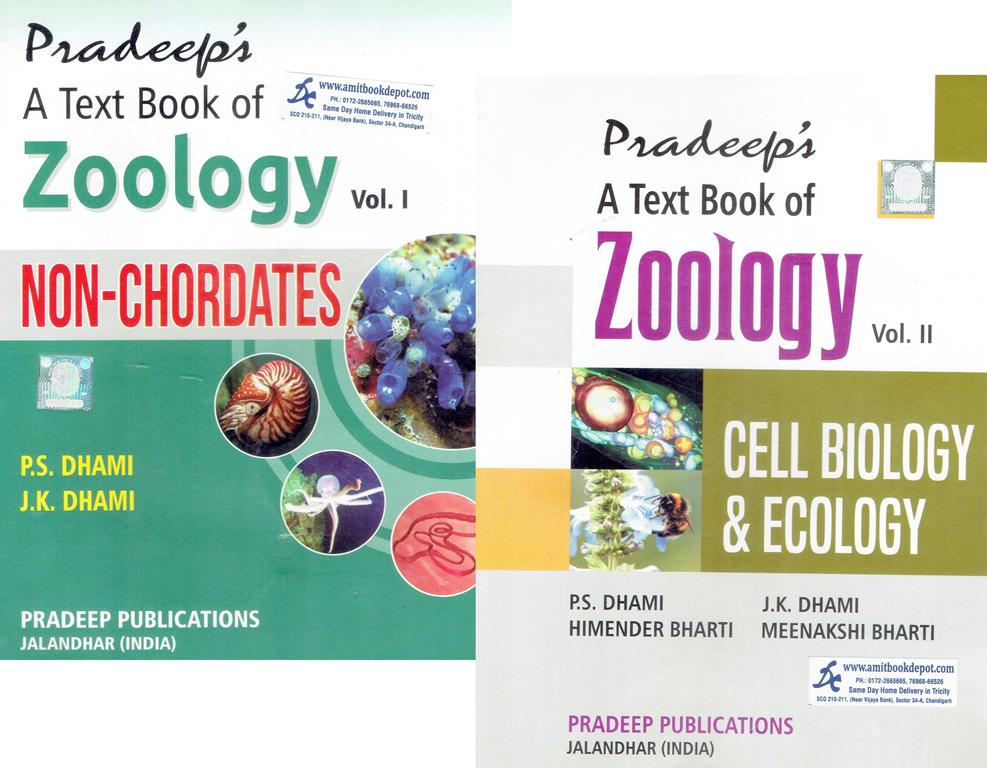

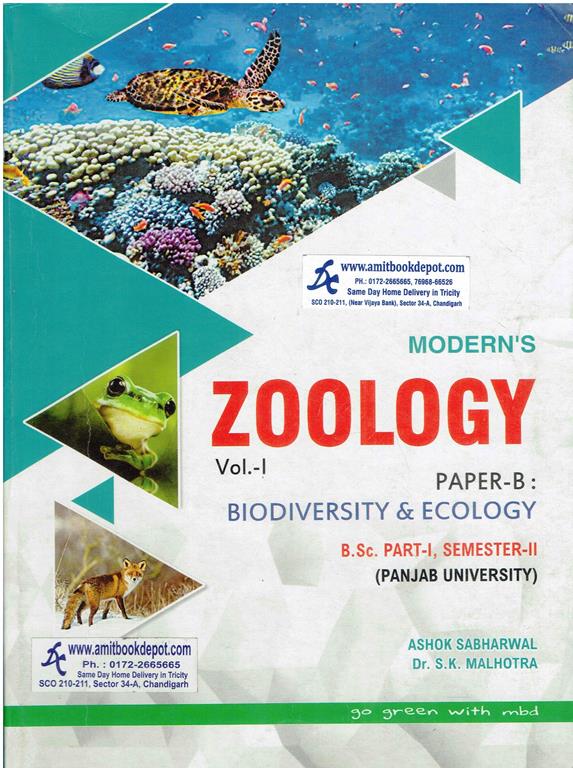
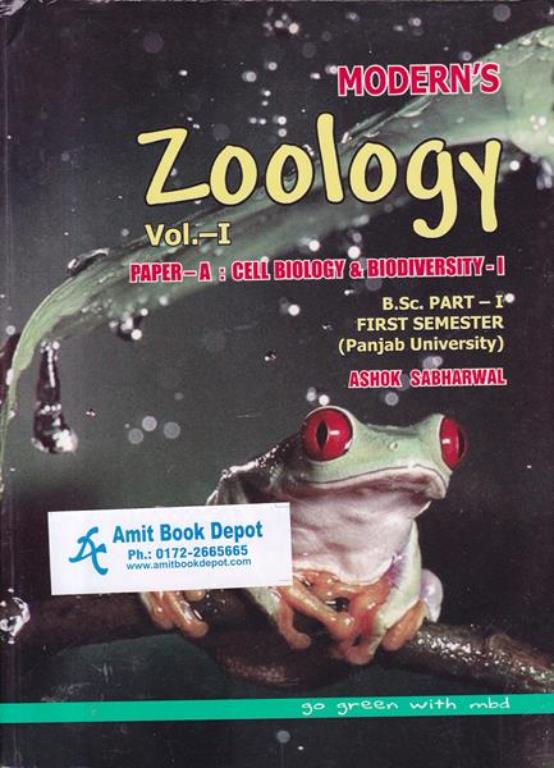
This textbook covers the core foundational zoology topics that are integral to undergraduate science programs. While it is specifically tailored for the traditional syllabus of universities like PU, GNDU, and MDU, students should cross-verify with their latest university curriculum bulletin for any NEP-mandated changes in course structure.
The Cell Biology volume provides a strong foundation on topics like the immune system, cancer biology, and cell organelles. However, as a core undergraduate textbook, it focuses on established principles rather than cutting-edge technologies like CRISPR. It is ideal for building fundamental knowledge.
The book follows a traditional, well-established classification system that is widely used in Indian university syllabi. It may not incorporate the very latest phylogenetic revisions but provides the standard taxonomic framework required for exams.
Each phylum's chapter includes a dedicated section on Economic Importance. Furthermore, applied topics like vermiculture, parasitism, diseases caused by protozoa/helminths, coral reefs, and wildlife conservation are covered in significant detail, linking pure science with practical applications.
Typically, Volume I (covering Protista to Hemichordata) is used for Semester 1, and Volume II (covering Cell Biology and Ecology) is used for Semester 2. However, students must confirm this sequence with their specific university's syllabus breakdown.
Absolutely. The book is well-known for its clear, precise, and abundant labeled diagrams of type organisms (like Amoeba, Paramecium, Sycon, Fasciola, Ascaris, Earthworm, Cockroach, Starfish) and cellular structures, which are perfect for practical file work.
The Ecology section covers fundamental concepts of environmental pollution, ecological crisis, natural resource conservation, and biodiversity. While it sets the groundwork, specific, evolving issues like detailed climate change mechanisms may need to be supplemented with recent articles or guidelines.
This book is an excellent foundational resource for these competitive exams, especially for the basic zoology and cell biology portions. However, for advanced topics and current trends required for CSIR-NET or UPSC, candidates will need to refer to specialized higher-level books and research materials.
Yes, Chapter 21 on Pheretima (Earthworm) in Volume I provides a comprehensive morphological and anatomical description that serves as excellent preparation for practical examinations and viva voce.
This textbook is primarily a comprehensive theory resource. It is focused on delivering detailed conceptual knowledge. It does not typically include separate sections for practice papers or previous years' questions.
No Description Added
This textbook covers the core foundational zoology topics that are integral to undergraduate science programs. While it is specifically tailored for the traditional syllabus of universities like PU, GNDU, and MDU, students should cross-verify with their latest university curriculum bulletin for any NEP-mandated changes in course structure.
The Cell Biology volume provides a strong foundation on topics like the immune system, cancer biology, and cell organelles. However, as a core undergraduate textbook, it focuses on established principles rather than cutting-edge technologies like CRISPR. It is ideal for building fundamental knowledge.
The book follows a traditional, well-established classification system that is widely used in Indian university syllabi. It may not incorporate the very latest phylogenetic revisions but provides the standard taxonomic framework required for exams.
Each phylum's chapter includes a dedicated section on Economic Importance. Furthermore, applied topics like vermiculture, parasitism, diseases caused by protozoa/helminths, coral reefs, and wildlife conservation are covered in significant detail, linking pure science with practical applications.
Typically, Volume I (covering Protista to Hemichordata) is used for Semester 1, and Volume II (covering Cell Biology and Ecology) is used for Semester 2. However, students must confirm this sequence with their specific university's syllabus breakdown.
Absolutely. The book is well-known for its clear, precise, and abundant labeled diagrams of type organisms (like Amoeba, Paramecium, Sycon, Fasciola, Ascaris, Earthworm, Cockroach, Starfish) and cellular structures, which are perfect for practical file work.
The Ecology section covers fundamental concepts of environmental pollution, ecological crisis, natural resource conservation, and biodiversity. While it sets the groundwork, specific, evolving issues like detailed climate change mechanisms may need to be supplemented with recent articles or guidelines.
This book is an excellent foundational resource for these competitive exams, especially for the basic zoology and cell biology portions. However, for advanced topics and current trends required for CSIR-NET or UPSC, candidates will need to refer to specialized higher-level books and research materials.
Yes, Chapter 21 on Pheretima (Earthworm) in Volume I provides a comprehensive morphological and anatomical description that serves as excellent preparation for practical examinations and viva voce.
This textbook is primarily a comprehensive theory resource. It is focused on delivering detailed conceptual knowledge. It does not typically include separate sections for practice papers or previous years' questions.