-
Mon-Fri: 10AM to 8PM 01722665665
-
My Account
-
-
0
Total :
₹ 0.00

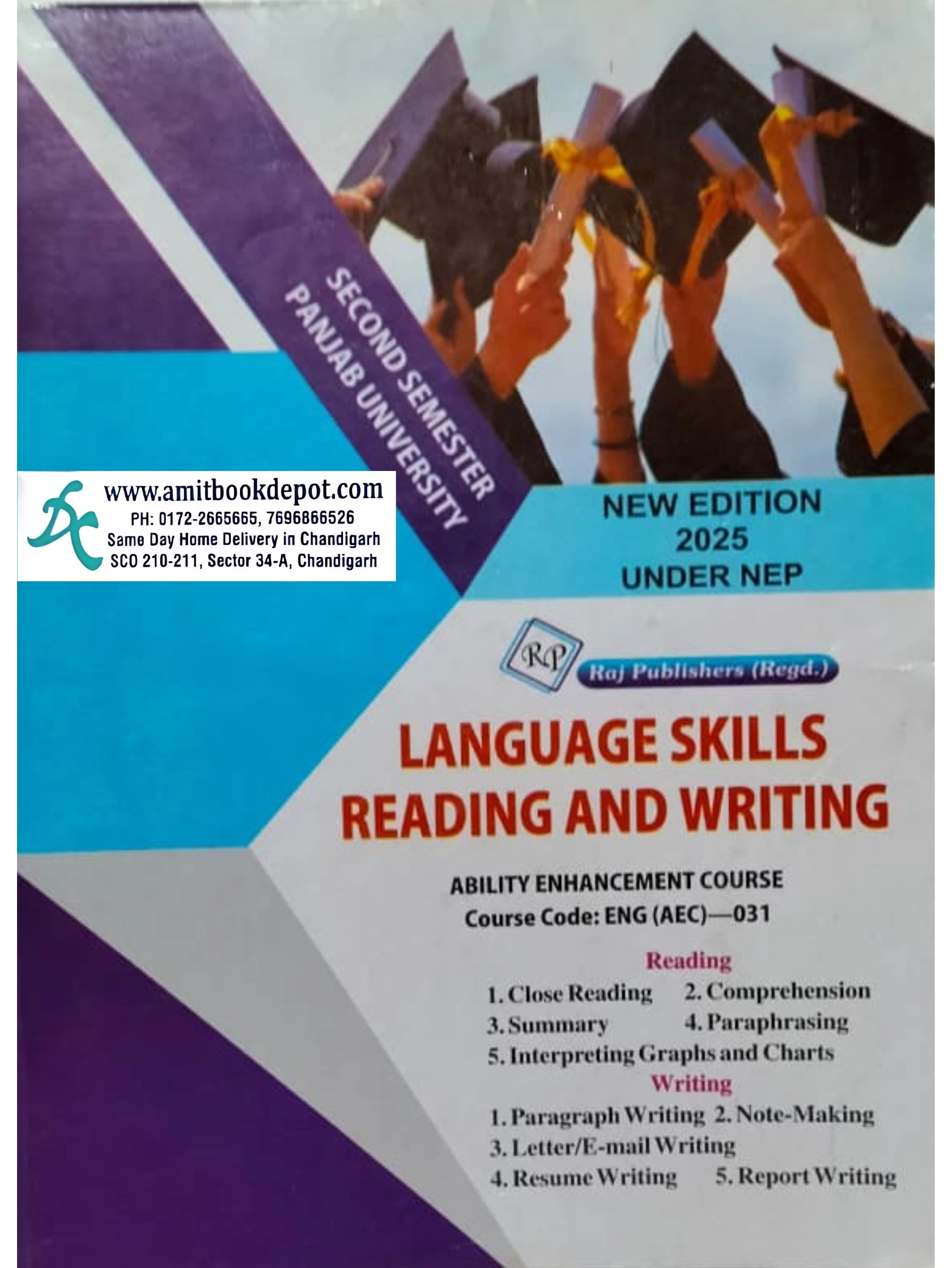

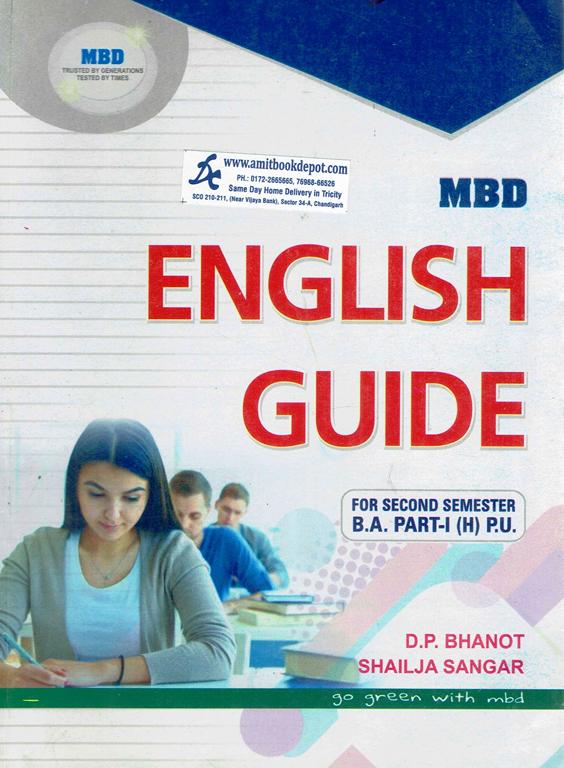
Yes, it is meticulously aligned with the latest syllabus for Course Code ENG(AEC)—031, covering all units on Reading and Writing.
Yes, the book provides structured formats, guidelines, and model examples for creating effective resumes and formal reports as per academic and professional standards.
This book simplifies and consolidates the key concepts from those prescribed texts into a more direct, syllabus-focused, and exam-oriented format, making it easier for targeted preparation.
Yes, the book contains a dedicated section on formal e-mail writing, covering format, tone, and etiquette, alongside traditional letter writing.
It breaks down the process of writing a coherent paragraph, explaining elements like topic sentences, supporting details, and concluding sentences with clear examples.
Yes, it starts with the basics of reading different types of graphs and charts and progresses to describing trends and writing analytical statements based on visual data.
It teaches you to read a text critically, focusing on language, structure, and implicit meaning, which is essential for deep comprehension and analysis.
Yes, especially in the units on letter/e-mail writing and report writing, it clearly distinguishes the tone and style required for formal communication.
Definitely. Its clear structure, explanatory content, and practical exercises make it an excellent resource for independent learning and revision.
The book focuses on "Note-Making," which is the skill of creating organized and structured notes from source material for later review, a key academic skill.
No Description Added
Yes, it is meticulously aligned with the latest syllabus for Course Code ENG(AEC)—031, covering all units on Reading and Writing.
Yes, the book provides structured formats, guidelines, and model examples for creating effective resumes and formal reports as per academic and professional standards.
This book simplifies and consolidates the key concepts from those prescribed texts into a more direct, syllabus-focused, and exam-oriented format, making it easier for targeted preparation.
Yes, the book contains a dedicated section on formal e-mail writing, covering format, tone, and etiquette, alongside traditional letter writing.
It breaks down the process of writing a coherent paragraph, explaining elements like topic sentences, supporting details, and concluding sentences with clear examples.
Yes, it starts with the basics of reading different types of graphs and charts and progresses to describing trends and writing analytical statements based on visual data.
It teaches you to read a text critically, focusing on language, structure, and implicit meaning, which is essential for deep comprehension and analysis.
Yes, especially in the units on letter/e-mail writing and report writing, it clearly distinguishes the tone and style required for formal communication.
Definitely. Its clear structure, explanatory content, and practical exercises make it an excellent resource for independent learning and revision.
The book focuses on "Note-Making," which is the skill of creating organized and structured notes from source material for later review, a key academic skill.