-
Mon-Fri: 10AM to 8PM 01722665665
-
My Account
-
-
0
Total :
₹ 0.00

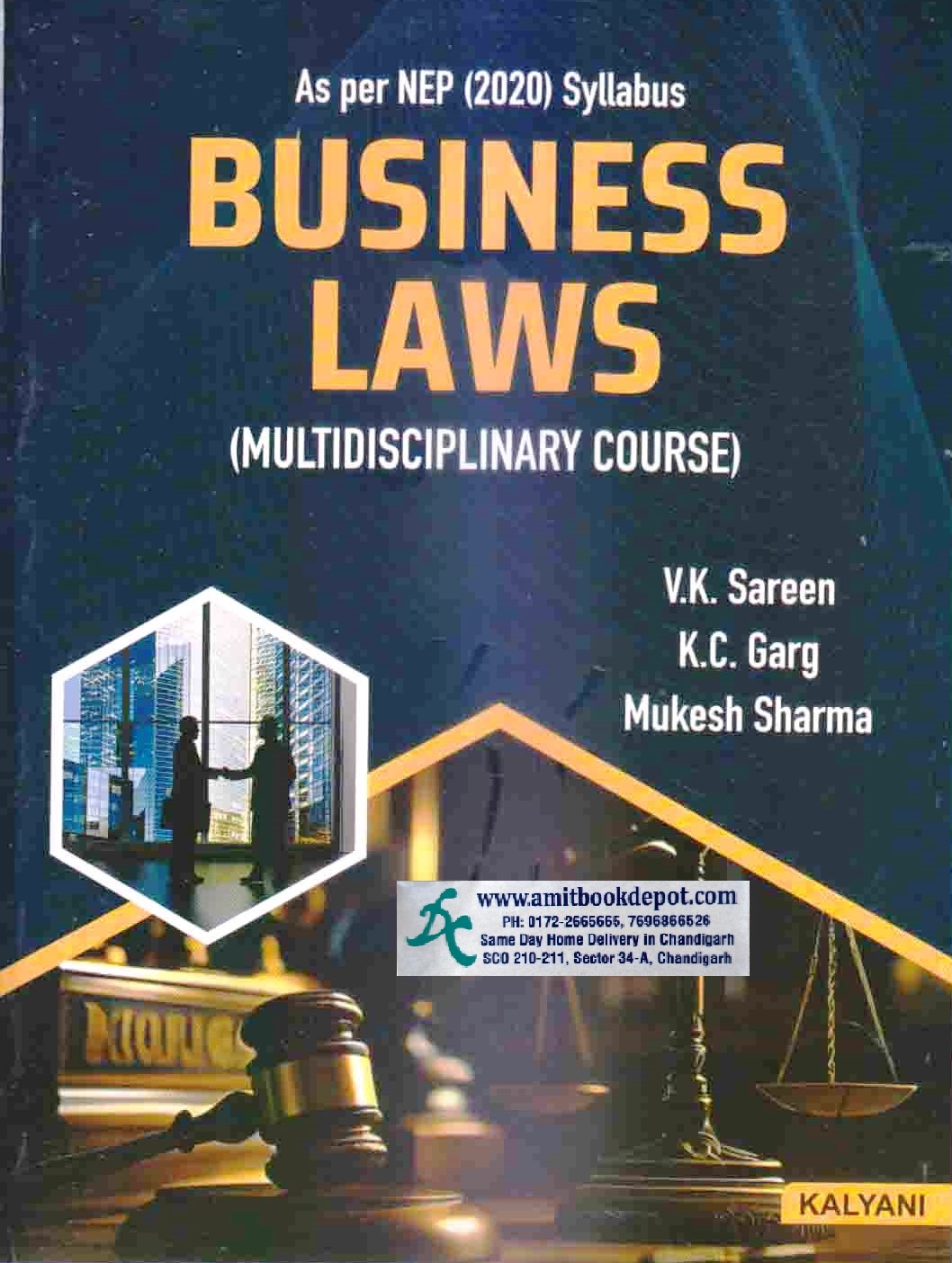

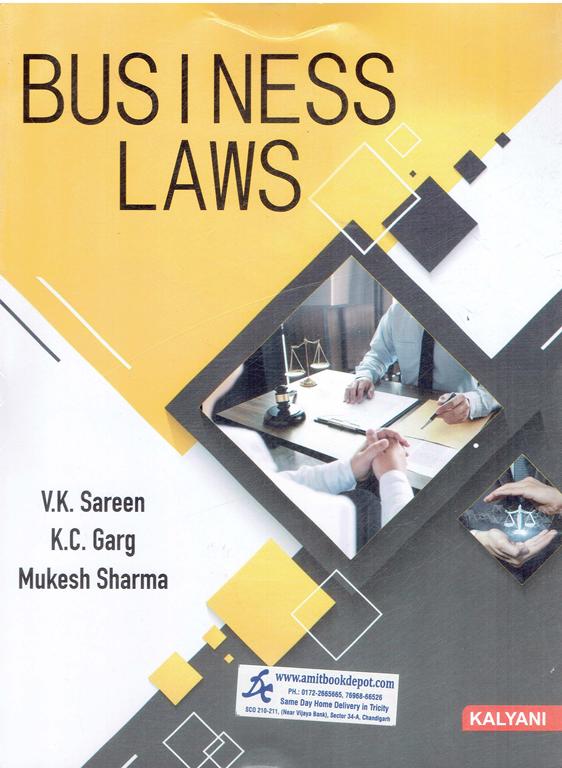
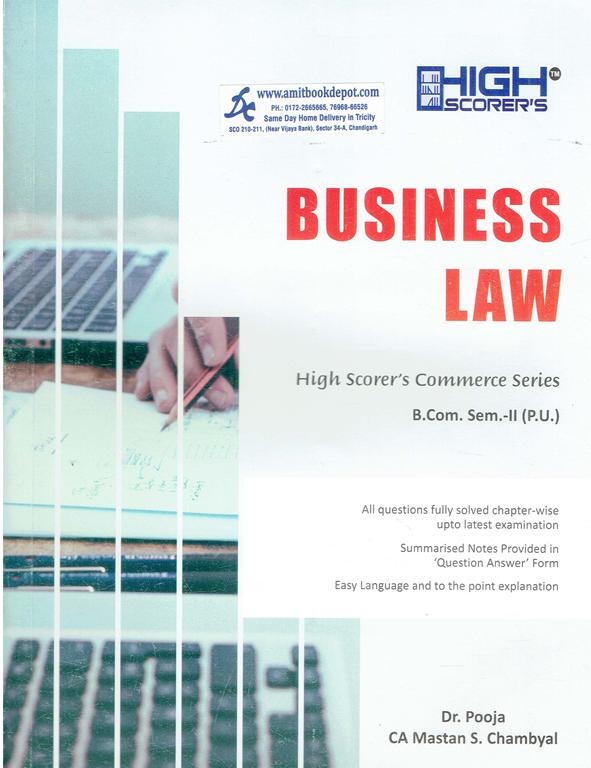
Yes, this is the latest edition published by Kalyani Publishers and is meticulously crafted to cover the entire prescribed syllabus for PU Chandigarh.
Absolutely. The book is divided into two clear units, providing comprehensive coverage of the Sale of Goods Act, 1930, as well as The Factories Act, 1948, and The Industrial Disputes Act, 1947.
The content is structured to match the university's instructions for paper setters, with chapters tailored to answer 5-mark short answer questions (Section A) and 10-mark essay-type questions (Sections B & C).
Yes, as per the course objectives, the book discusses relevant case laws to help students understand the practical application of legal principles, which is crucial for tutorials and exams.
Yes, these specific chapters are covered in detail with clear explanations and relevant examples to simplify complex legal concepts.
The book is updated to include developments up to 6 months before the examination, as required by the university syllabus, ensuring coverage of key provisions on these topics.
The clarity of concepts and inclusion of tutorial-oriented questions aid in classroom participation and assignments, directly helping to secure good marks in internal assessment.
While not a separate glossary, key definitions from acts like "Factory," "Industrial Dispute," "Unpaid Seller," etc., are highlighted and explained clearly within the chapters for easy recall.
Yes, the authors have used clear, lucid, and student-friendly language to explain intricate legal statutes, making it accessible for undergraduate students.
Yes, the chapter on "Remedial Measures" dedicates a section to the rights of an unpaid seller, breaking down the concepts analytically as required by the course outcomes.
No Description Added
Yes, this is the latest edition published by Kalyani Publishers and is meticulously crafted to cover the entire prescribed syllabus for PU Chandigarh.
Absolutely. The book is divided into two clear units, providing comprehensive coverage of the Sale of Goods Act, 1930, as well as The Factories Act, 1948, and The Industrial Disputes Act, 1947.
The content is structured to match the university's instructions for paper setters, with chapters tailored to answer 5-mark short answer questions (Section A) and 10-mark essay-type questions (Sections B & C).
Yes, as per the course objectives, the book discusses relevant case laws to help students understand the practical application of legal principles, which is crucial for tutorials and exams.
Yes, these specific chapters are covered in detail with clear explanations and relevant examples to simplify complex legal concepts.
The book is updated to include developments up to 6 months before the examination, as required by the university syllabus, ensuring coverage of key provisions on these topics.
The clarity of concepts and inclusion of tutorial-oriented questions aid in classroom participation and assignments, directly helping to secure good marks in internal assessment.
While not a separate glossary, key definitions from acts like "Factory," "Industrial Dispute," "Unpaid Seller," etc., are highlighted and explained clearly within the chapters for easy recall.
Yes, the authors have used clear, lucid, and student-friendly language to explain intricate legal statutes, making it accessible for undergraduate students.
Yes, the chapter on "Remedial Measures" dedicates a section to the rights of an unpaid seller, breaking down the concepts analytically as required by the course outcomes.