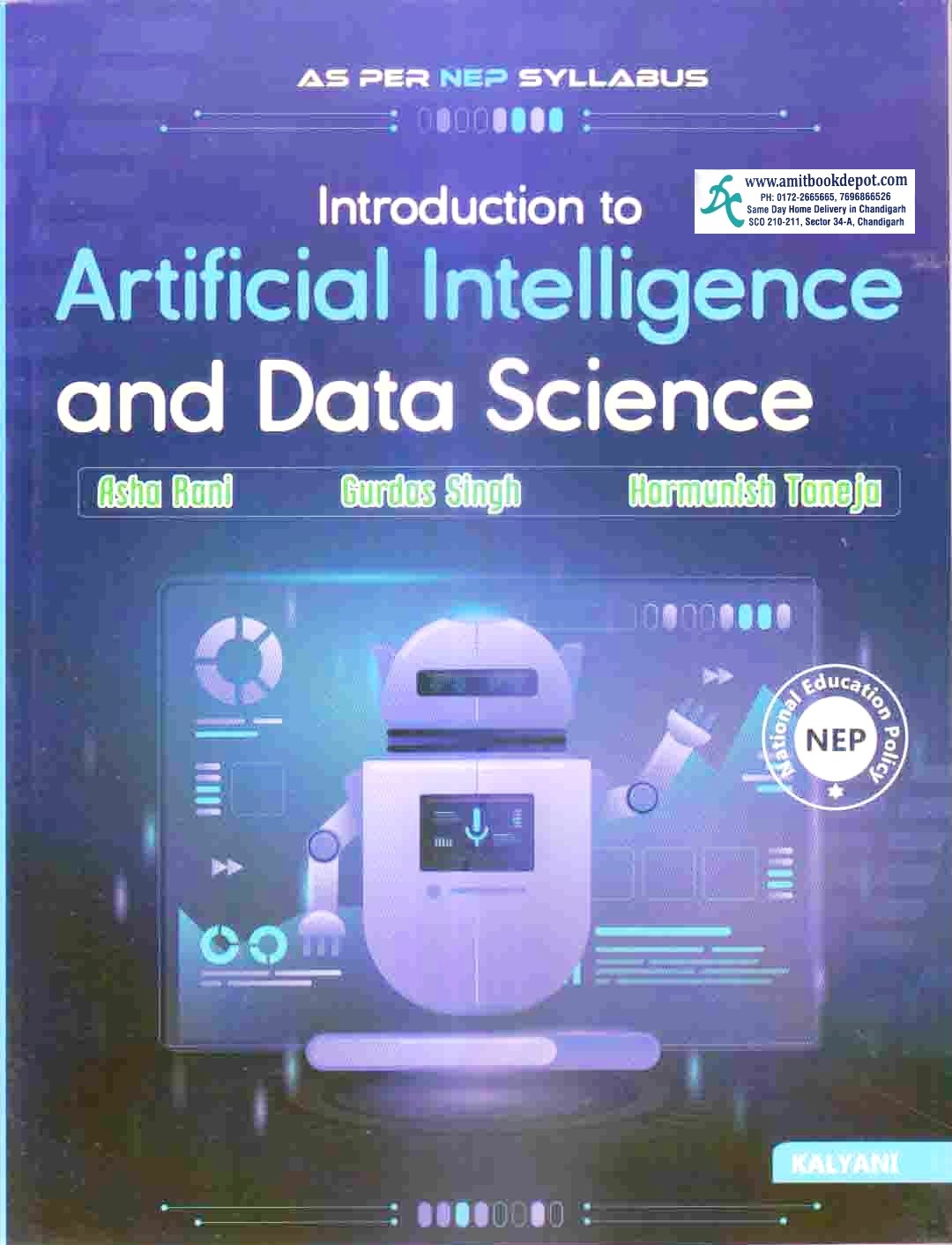
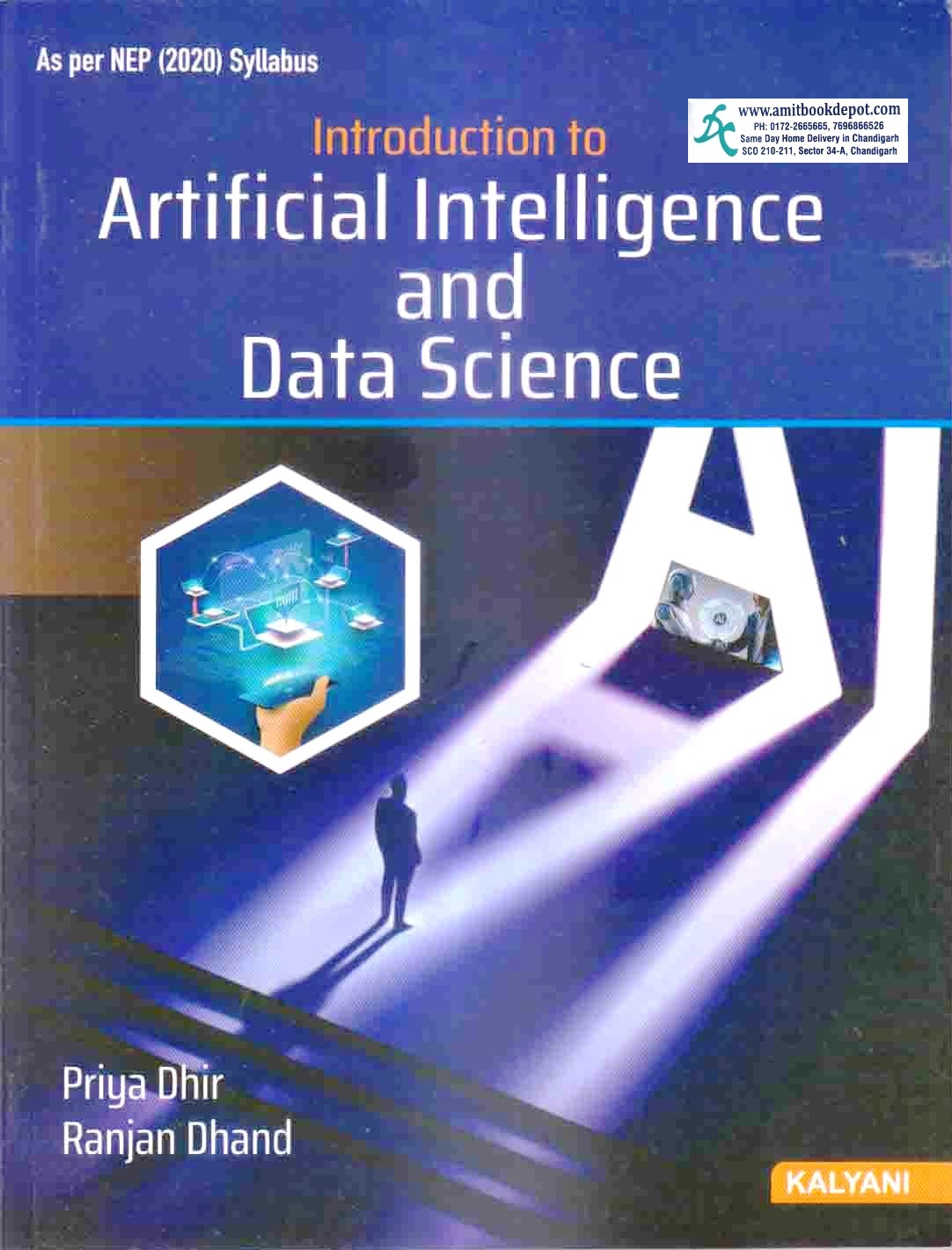
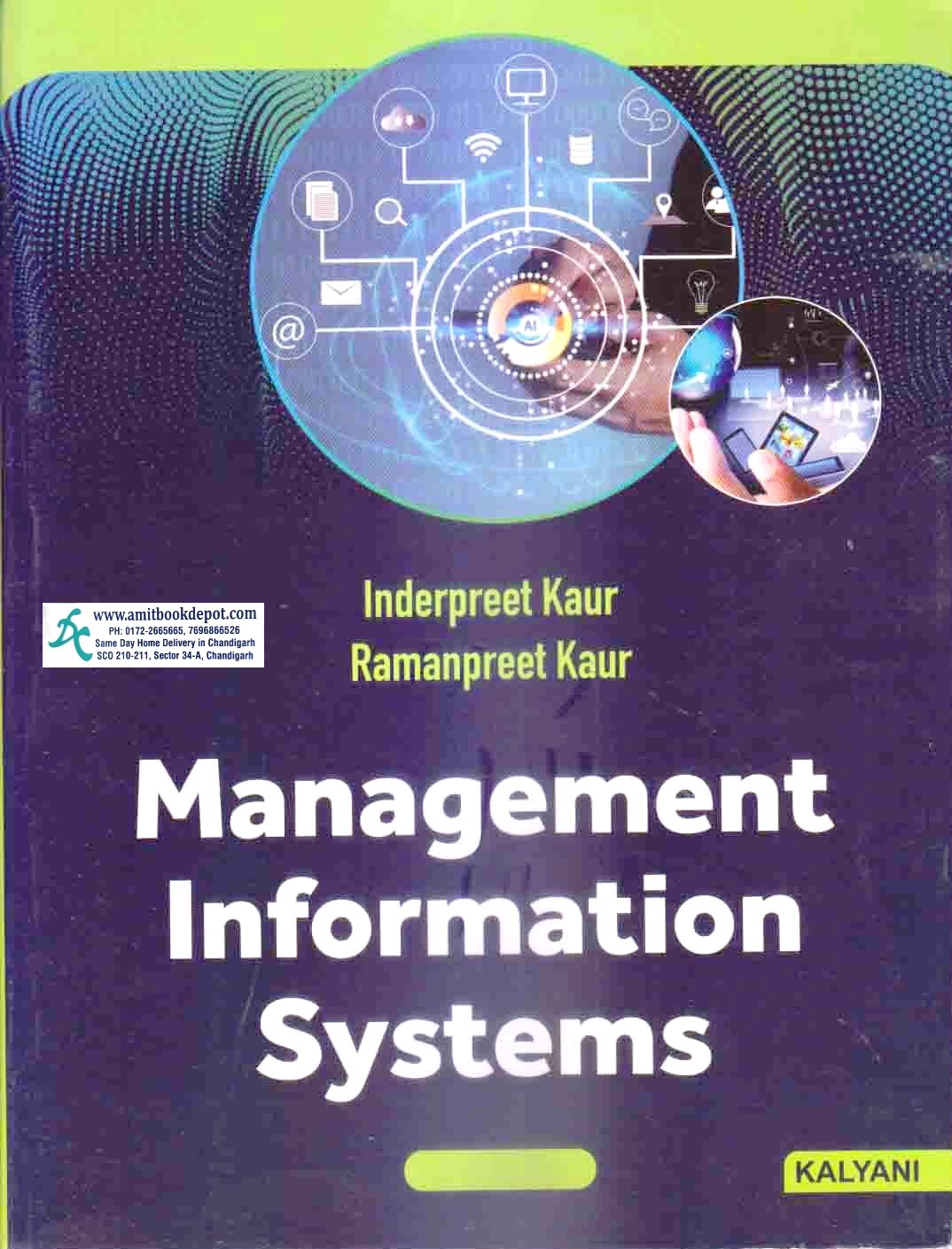
Yes, this book is meticulously crafted to cover 100% of the syllabus for Paper Code BCA-DSC-2(Maj)-202, including all units on AI, Data Science, and practical Excel training.
While the book provides detailed, step-by-step explanations of Excel functions and tools (like Sorting, Filtering, VLOOKUP, Pivot Tables), it is primarily a theoretical guide. Students are expected to practice these steps alongside in Microsoft Excel software.
Absolutely. The book introduces key AI technologies like Machine Learning and Deep Learning as part of Unit I, providing clear, foundational definitions and contexts suitable for BCA second-semester students without assuming prior knowledge.
Yes, Unit II dedicates a significant portion to Data Pre-processing, covering essential steps like Data Cleaning, Integration, Transformation, and Reduction as outlined in the PU syllabus.
The concepts of functions like VLOOKUP, Data Validation, and Pivot Tables are universal across modern versions of Excel (2016, 2019, 2021, Microsoft 365). The book focuses on core features that are consistent across these versions.
Yes, the content is structured according to the four-unit syllabus. The "Note" on the exam pattern included in the syllabus details is provided in the book, helping students understand how to prepare for the nine-question format.
No, as per the prescribed syllabus for this specific paper, the focus is on foundational concepts of AI and Data Science, with practical implementation solely through spreadsheet software (Excel), not programming languages.
Yes, Unit I includes a dedicated section on "Ethical Issues and the Future of AI," ensuring students are aware of the societal and moral dimensions of artificial intelligence.
The book explains the various stages of the Data Science Life Cycle (or Project Stages) theoretically, as required by the syllabus. It provides a structured overview from data collection to insight, which is crucial for understanding data projects.
No, the book covers only the Excel topics specified in the syllabus, such as functions (math, statistical, logical, lookup), data tools, sorting, filtering, and Pivot Tables. Macros and VBA are not part of the curriculum for this paper.
No Description Added
Yes, this book is meticulously crafted to cover 100% of the syllabus for Paper Code BCA-DSC-2(Maj)-202, including all units on AI, Data Science, and practical Excel training.
While the book provides detailed, step-by-step explanations of Excel functions and tools (like Sorting, Filtering, VLOOKUP, Pivot Tables), it is primarily a theoretical guide. Students are expected to practice these steps alongside in Microsoft Excel software.
Absolutely. The book introduces key AI technologies like Machine Learning and Deep Learning as part of Unit I, providing clear, foundational definitions and contexts suitable for BCA second-semester students without assuming prior knowledge.
Yes, Unit II dedicates a significant portion to Data Pre-processing, covering essential steps like Data Cleaning, Integration, Transformation, and Reduction as outlined in the PU syllabus.
The concepts of functions like VLOOKUP, Data Validation, and Pivot Tables are universal across modern versions of Excel (2016, 2019, 2021, Microsoft 365). The book focuses on core features that are consistent across these versions.
Yes, the content is structured according to the four-unit syllabus. The "Note" on the exam pattern included in the syllabus details is provided in the book, helping students understand how to prepare for the nine-question format.
No, as per the prescribed syllabus for this specific paper, the focus is on foundational concepts of AI and Data Science, with practical implementation solely through spreadsheet software (Excel), not programming languages.
Yes, Unit I includes a dedicated section on "Ethical Issues and the Future of AI," ensuring students are aware of the societal and moral dimensions of artificial intelligence.
The book explains the various stages of the Data Science Life Cycle (or Project Stages) theoretically, as required by the syllabus. It provides a structured overview from data collection to insight, which is crucial for understanding data projects.
No, the book covers only the Excel topics specified in the syllabus, such as functions (math, statistical, logical, lookup), data tools, sorting, filtering, and Pivot Tables. Macros and VBA are not part of the curriculum for this paper.