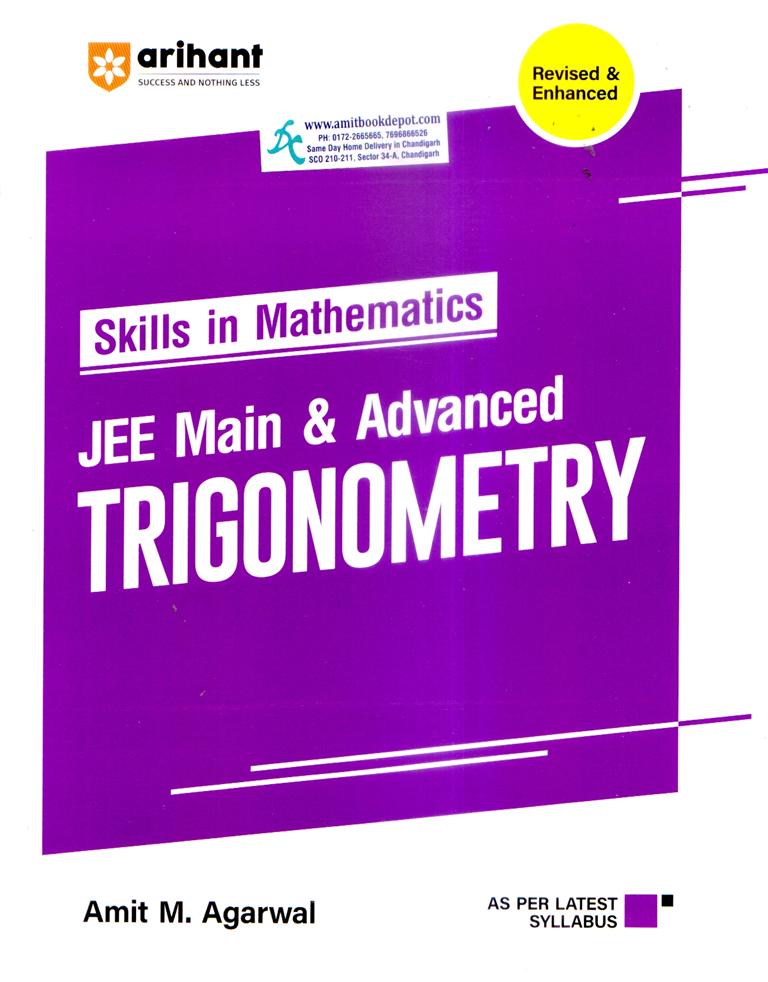
While the book provides concise theoretical explanations and formulas at the start of each chapter, it is primarily a problem book. It is highly recommended to use it alongside a standard theory textbook for building foundational concepts before attempting the problems.
This book focuses exclusively on the mathematics portion of the JEE. The aptitude and planning sections of JEE Main require a different skill set (visual reasoning, architecture awareness) and are not covered in this mathematics-focused volume.
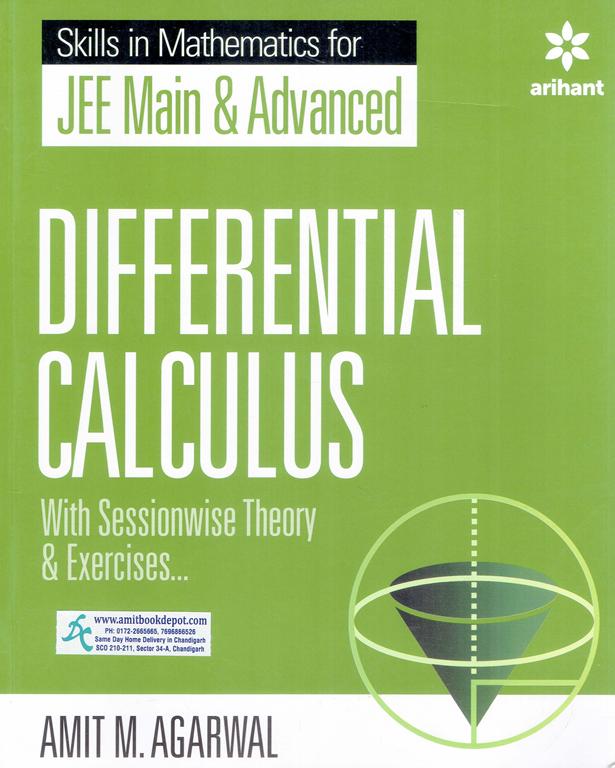
Yes, the chapter on Trigonometric Series covers Fourier series, which is a crucial topic for JEE Advanced and for students aiming for a very high rank.
It provides a dedicated chapter (Chapter 10) that covers partial derivatives, gradients, and other key concepts, followed by a chapter on applications (Chapter 11), which is vital for JEE Advanced.
Yes, Chapter 7 specifically covers "Methods for Evaluating Definite Integrals" and includes a section on "Improper Integrals," a key topic for JEE Advanced.
This book is best suited for students who have completed their initial learning of concepts from a textbook or coaching material. It is ideal for the practice and problem-solving phase, particularly for those targeting top ranks.
The book primarily focuses on developing core problem-solving skills through a variety of descriptive problems. While not exclusively formatted as MCQs, the skills honed are directly applicable to solving the complex MCQs found in JEE.
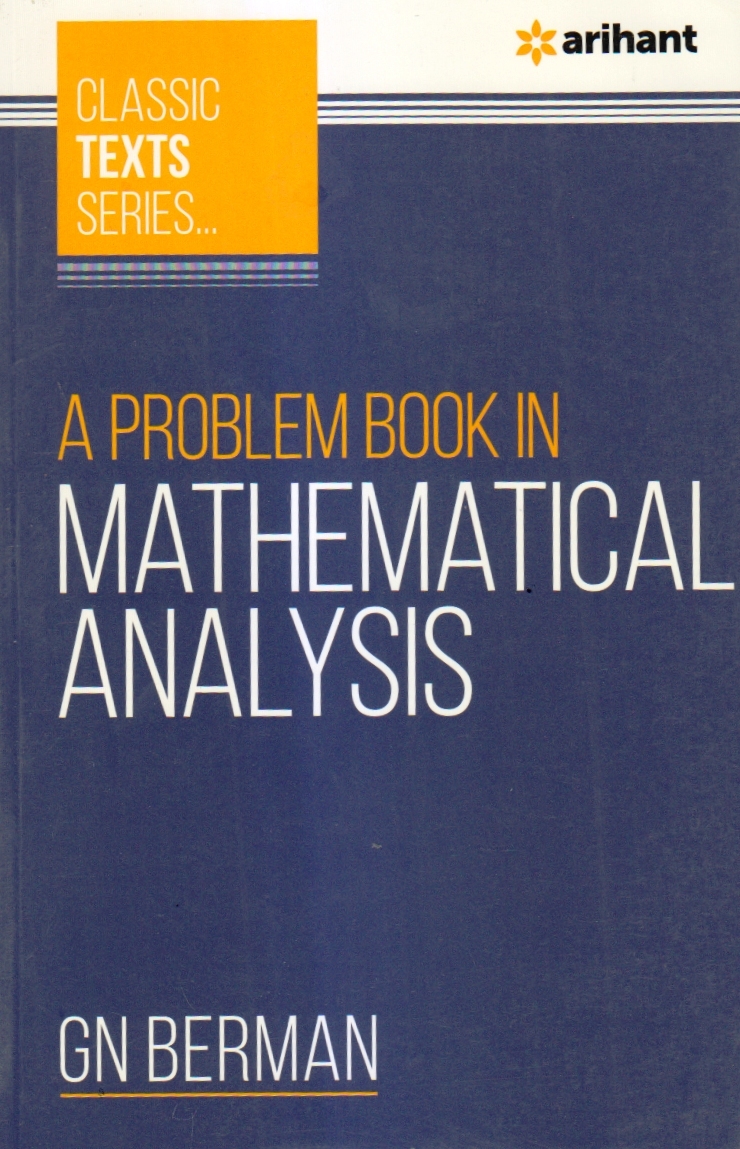
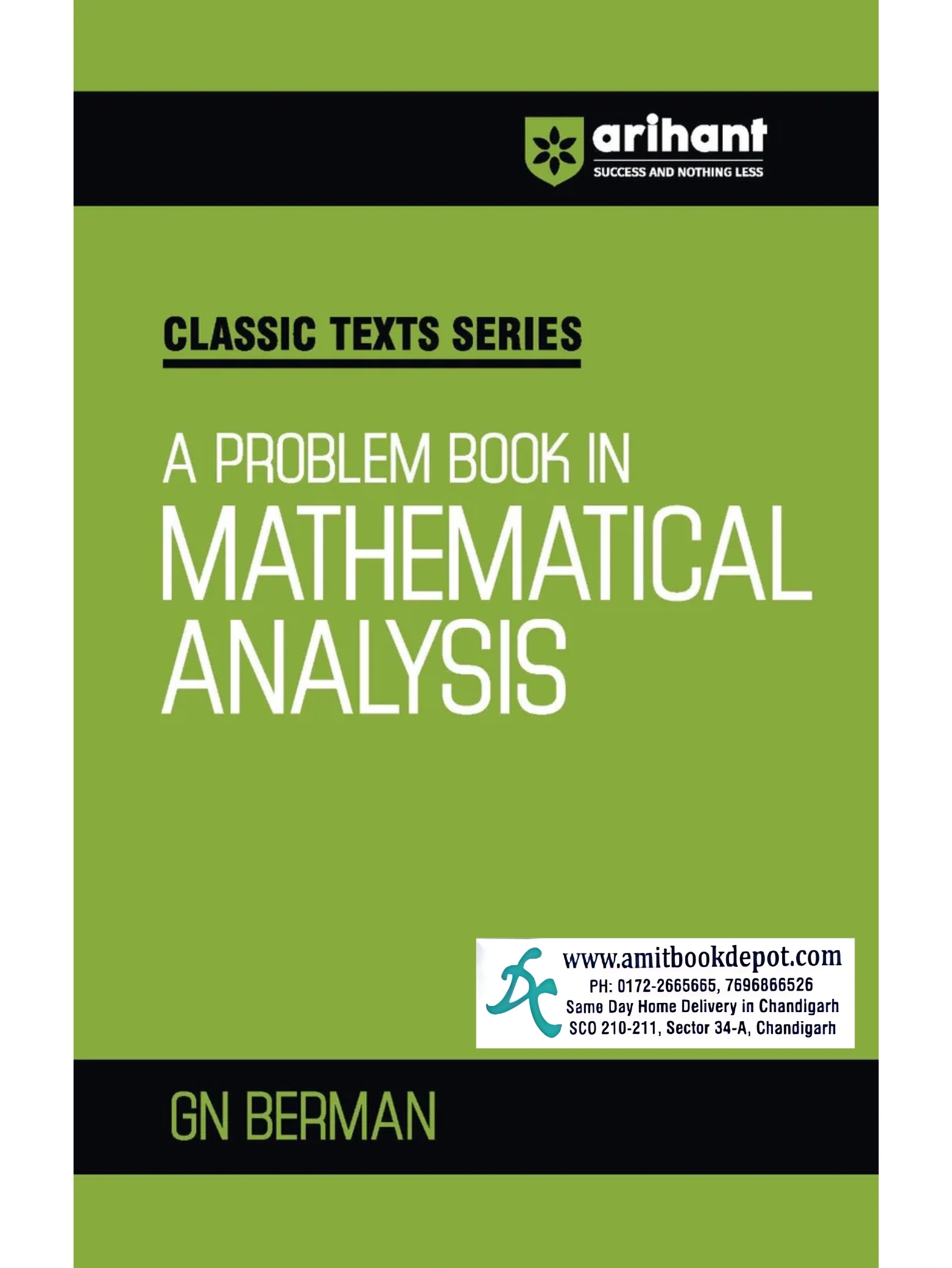
The problems in G.N. Berman's book are renowned for being challenging and are often considered to be at par with, or sometimes even beyond, the difficulty level of JEE Advanced, making it an excellent resource for toppers.
The book approaches these topics from a higher mathematical perspective under chapters like "Vectors" and "Application of Differential Calculus." For the specific, syllabus-oriented problems on 3D Geometry and Vector Algebra as listed in JEE Main, a dedicated book might be more direct.
Absolutely. The core topics of calculus, algebra, and analysis are fundamental to all major engineering entrance exams. The strong problem-solving foundation from this book will be highly beneficial for BITSAT, VITEEE, and similar tests.
No Description Added
While the book provides concise theoretical explanations and formulas at the start of each chapter, it is primarily a problem book. It is highly recommended to use it alongside a standard theory textbook for building foundational concepts before attempting the problems.
This book focuses exclusively on the mathematics portion of the JEE. The aptitude and planning sections of JEE Main require a different skill set (visual reasoning, architecture awareness) and are not covered in this mathematics-focused volume.
Yes, the chapter on Trigonometric Series covers Fourier series, which is a crucial topic for JEE Advanced and for students aiming for a very high rank.
It provides a dedicated chapter (Chapter 10) that covers partial derivatives, gradients, and other key concepts, followed by a chapter on applications (Chapter 11), which is vital for JEE Advanced.
Yes, Chapter 7 specifically covers "Methods for Evaluating Definite Integrals" and includes a section on "Improper Integrals," a key topic for JEE Advanced.
This book is best suited for students who have completed their initial learning of concepts from a textbook or coaching material. It is ideal for the practice and problem-solving phase, particularly for those targeting top ranks.
The book primarily focuses on developing core problem-solving skills through a variety of descriptive problems. While not exclusively formatted as MCQs, the skills honed are directly applicable to solving the complex MCQs found in JEE.
The problems in G.N. Berman's book are renowned for being challenging and are often considered to be at par with, or sometimes even beyond, the difficulty level of JEE Advanced, making it an excellent resource for toppers.
The book approaches these topics from a higher mathematical perspective under chapters like "Vectors" and "Application of Differential Calculus." For the specific, syllabus-oriented problems on 3D Geometry and Vector Algebra as listed in JEE Main, a dedicated book might be more direct.
Absolutely. The core topics of calculus, algebra, and analysis are fundamental to all major engineering entrance exams. The strong problem-solving foundation from this book will be highly beneficial for BITSAT, VITEEE, and similar tests.