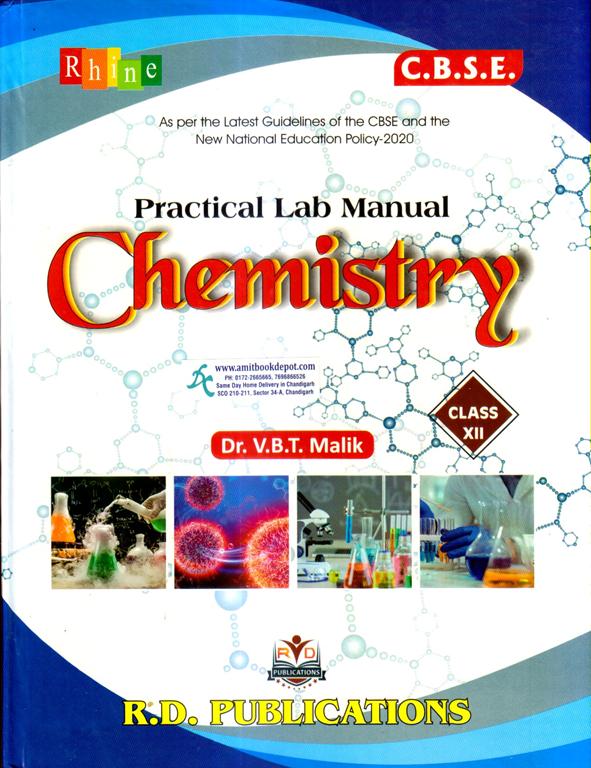
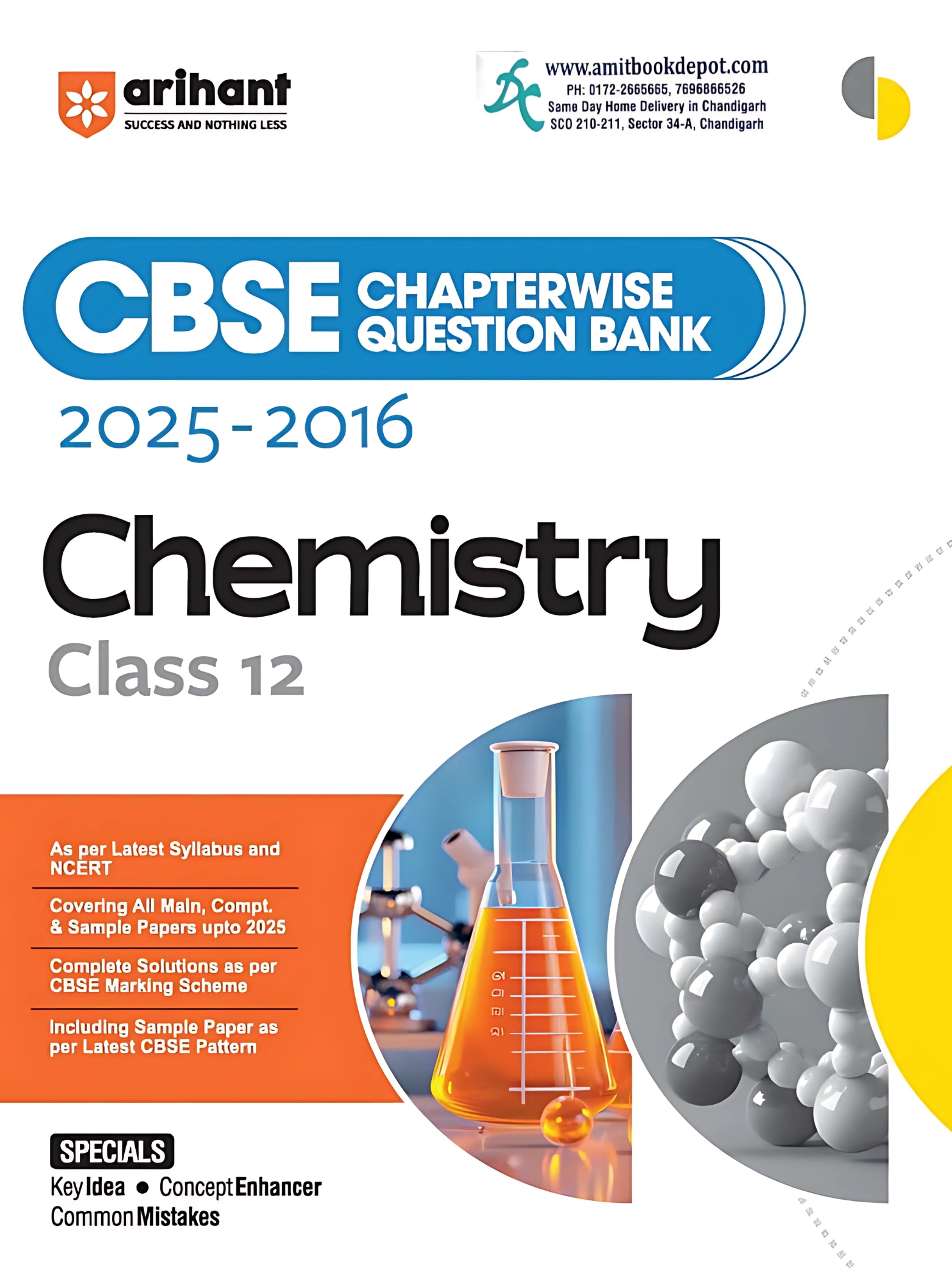
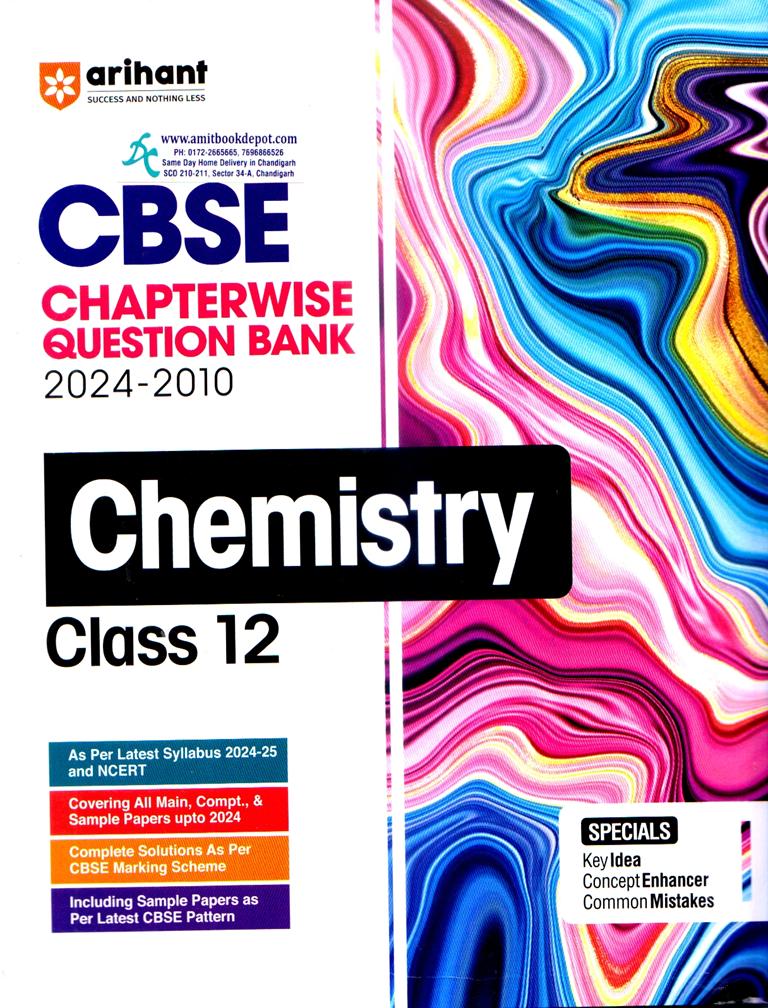
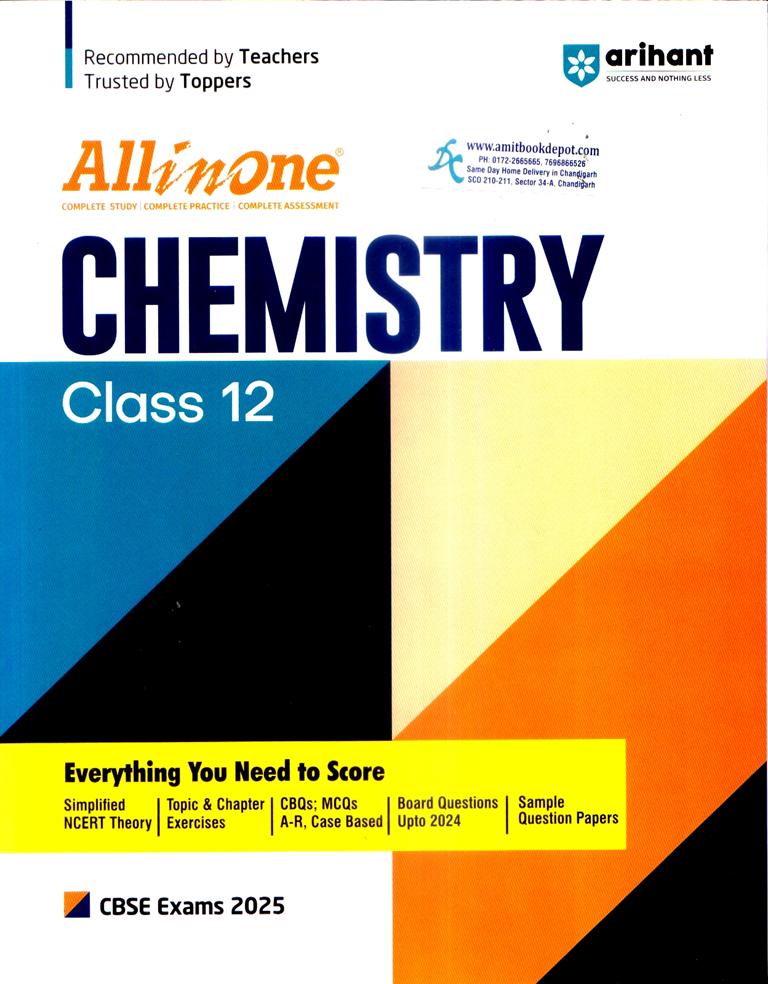
Yes, the book begins with the latest CBSE syllabus and is meticulously structured to cover all chapters and units prescribed for Class 12 Chemistry in the 2024-25 session.
Absolutely. The book includes detailed, step-by-step solutions for all questions, ensuring students can understand the methodology and verify their answers.
The previous years' questions are seamlessly integrated into the chapterwise structure. Within each chapter, relevant board questions from the past decade are categorized for topical practice.
The book typically compiles questions from various CBSE board papers, including Delhi and All India sets, to provide a comprehensive view of the question patterns.
It is designed for all aspirants. The vast range of questions, including challenging previous years' problems and higher-order thinking questions, provides ample practice for students targeting top scores, including 100.
Yes, these calculation-heavy chapters have a wide array of numerical problems, including applications of Raoult's Law, Nernst equation, and integrated rate equations, sourced from board exams.
Yes, chapters like Haloalkanes, Alcohols, Aldehydes, and Amines include numerous questions testing name reactions, conversion pathways, and mechanistic concepts (e.g., SN1, SN2, Electrophilic substitution).
Yes, these inorganic chemistry chapters comprehensively cover properties, trends, important compounds like K₂Cr₂O₇ and KMnO₄, and IUPAC naming of coordination compounds as per the syllabus.
Yes, the chapter covers all subtopics, including classification of carbohydrates, structures of glucose/fructose, protein denaturation, and the differences between DNA and RNA, with corresponding questions.
Yes, absolutely. Core concepts and fundamental question types remain consistent. Practicing a decade's papers provides deep familiarity with the board's style and highlights perennially important topics.
No Description Added
Yes, the book begins with the latest CBSE syllabus and is meticulously structured to cover all chapters and units prescribed for Class 12 Chemistry in the 2024-25 session.
Absolutely. The book includes detailed, step-by-step solutions for all questions, ensuring students can understand the methodology and verify their answers.
The previous years' questions are seamlessly integrated into the chapterwise structure. Within each chapter, relevant board questions from the past decade are categorized for topical practice.
The book typically compiles questions from various CBSE board papers, including Delhi and All India sets, to provide a comprehensive view of the question patterns.
It is designed for all aspirants. The vast range of questions, including challenging previous years' problems and higher-order thinking questions, provides ample practice for students targeting top scores, including 100.
Yes, these calculation-heavy chapters have a wide array of numerical problems, including applications of Raoult's Law, Nernst equation, and integrated rate equations, sourced from board exams.
Yes, chapters like Haloalkanes, Alcohols, Aldehydes, and Amines include numerous questions testing name reactions, conversion pathways, and mechanistic concepts (e.g., SN1, SN2, Electrophilic substitution).
Yes, these inorganic chemistry chapters comprehensively cover properties, trends, important compounds like K₂Cr₂O₇ and KMnO₄, and IUPAC naming of coordination compounds as per the syllabus.
Yes, the chapter covers all subtopics, including classification of carbohydrates, structures of glucose/fructose, protein denaturation, and the differences between DNA and RNA, with corresponding questions.
Yes, absolutely. Core concepts and fundamental question types remain consistent. Practicing a decade's papers provides deep familiarity with the board's style and highlights perennially important topics.