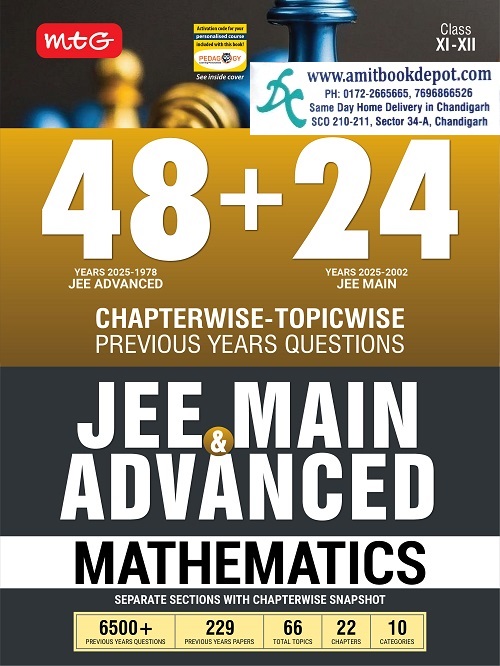
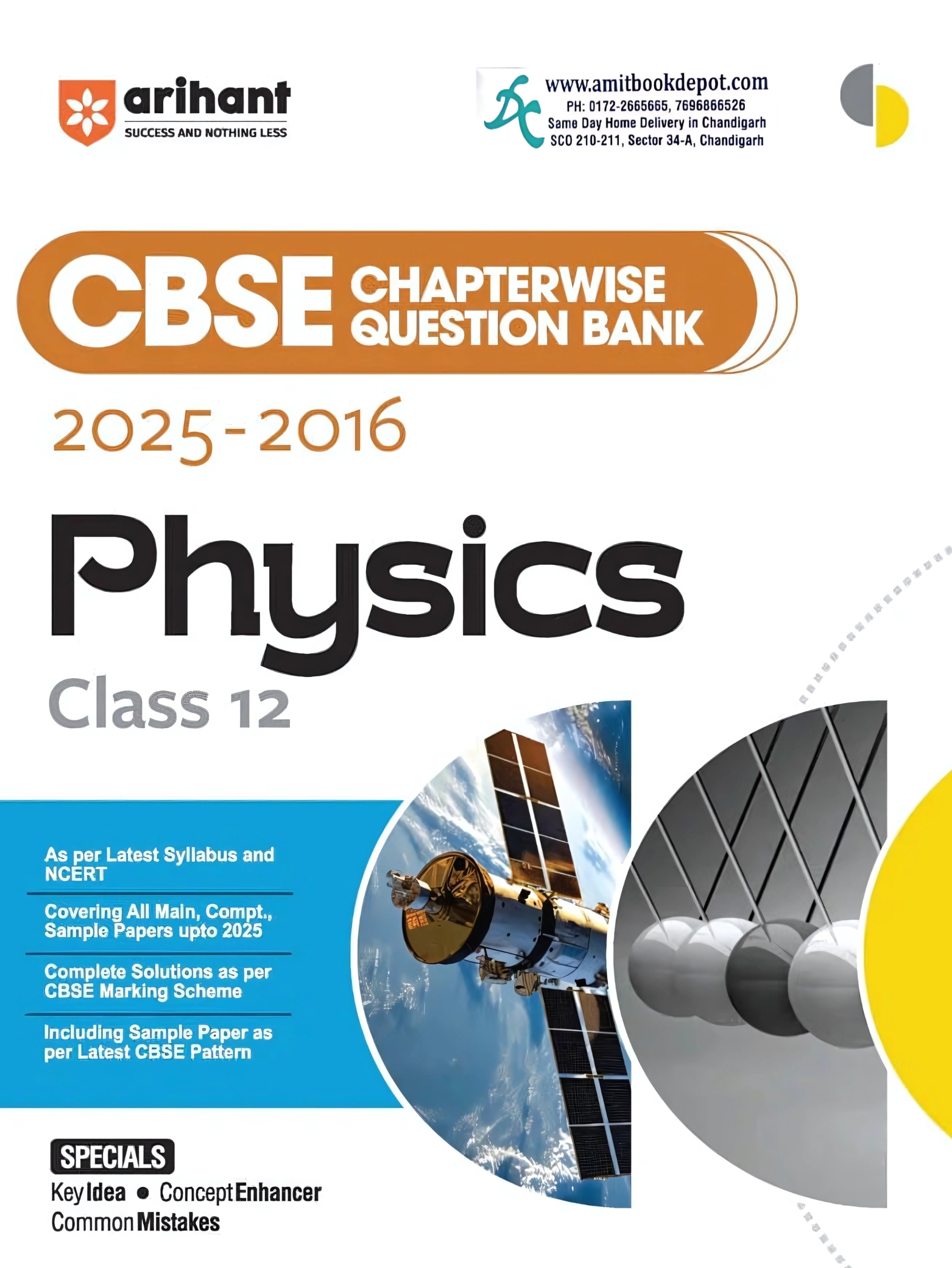
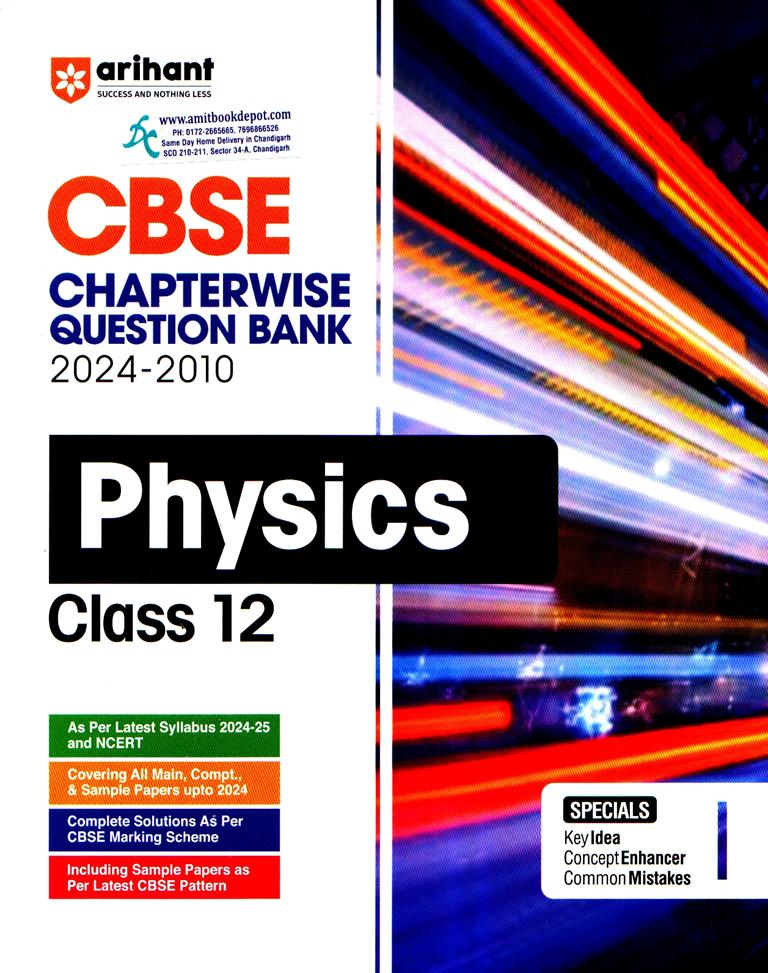
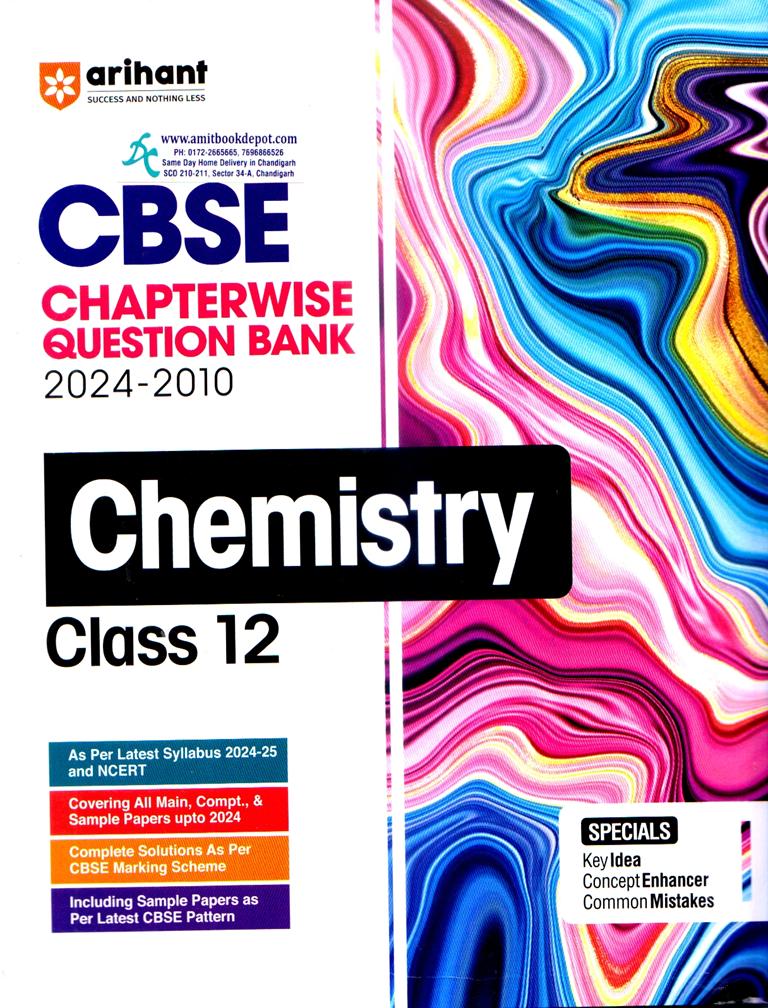
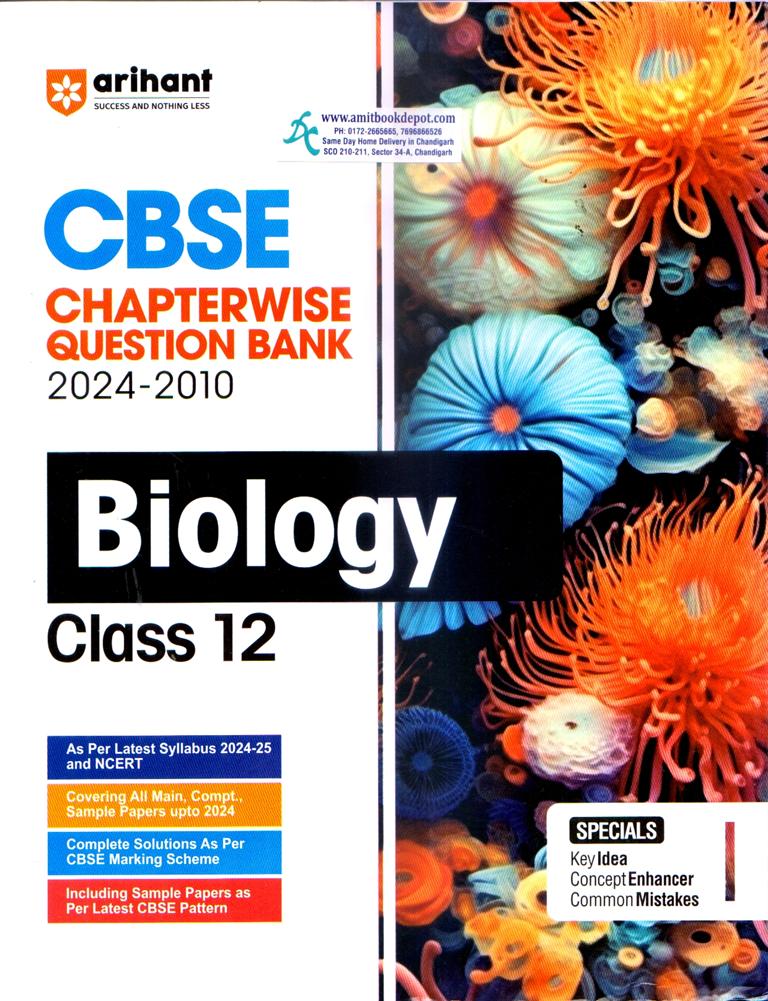
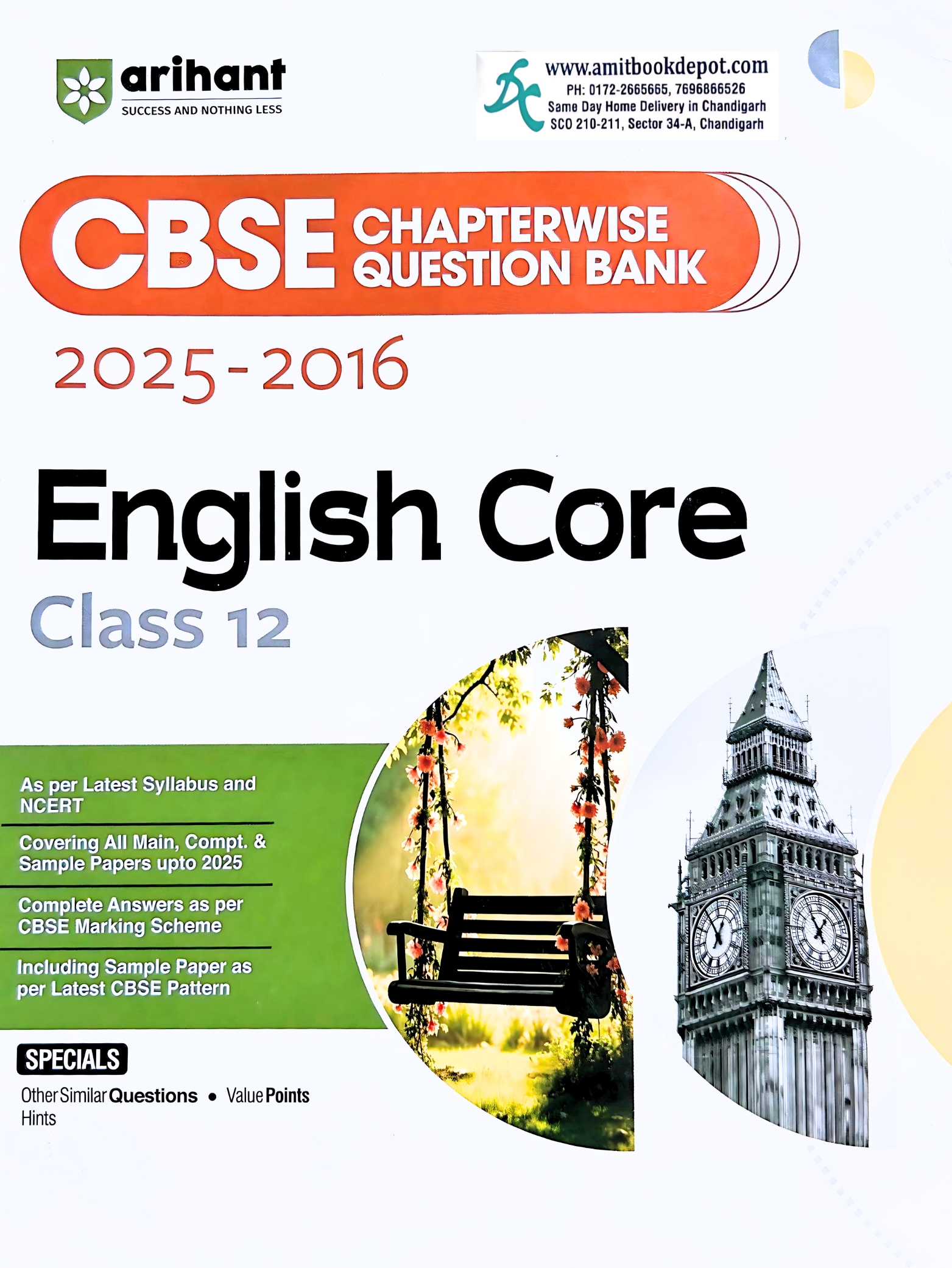
Yes, this updated edition for 2025 includes a comprehensive collection of Previous Years' Questions (PYQs) from 2016 all the way up to the latest 2024 board examinations.
Unlike sample paper books that offer full-length tests, this is a chapterwise question bank. It breaks down a decade of board questions topic-by-topic, allowing for focused strengthening of individual chapters before attempting complete papers.
Absolutely. The book is updated to include a dedicated section for Competency-Focused Questions, which covers Case Study Based Questions and Assertion-Reason Questions as per the latest CBSE pattern.
Yes, the book is meticulously aligned with the latest NCERT syllabus for Class 12 Physics. All chapters and questions are relevant to the current academic year's prescribed curriculum.
While its primary focus is CBSE board preparation, practicing these PYQs strengthens fundamental concepts, which is beneficial for the Physics section of competitive exams. However, for advanced JEE/NEET practice, subject-specific guides are recommended.
Yes, students from state boards that adhere to the NCERT curriculum (like many state boards do) will find this book extremely relevant and beneficial for their exam preparation.
Each chapter begins with a brief "Topicwise Analysis" or a quick-reference summary of key concepts and formulas essential for that chapter, aiding in quick revision before solving questions.
Use it chapter-by-chapter alongside your NCERT textbook. After completing a chapter in class, solve its corresponding PYQs in this book to test your understanding and identify weak areas immediately.
By regularly practicing with timed, chapter-wise questions and later attempting the full sample papers, you develop speed, accuracy, and the ability to allocate time efficiently across different sections of the paper.
The NCERT textbook and exemplar are crucial. This question bank complements them by providing the actual past board papers in a structured format. It is essential for understanding the exam's pattern, difficulty, and frequently asked questions, which is a different aspect of preparation.
No Description Added
Yes, this updated edition for 2025 includes a comprehensive collection of Previous Years' Questions (PYQs) from 2016 all the way up to the latest 2024 board examinations.
Unlike sample paper books that offer full-length tests, this is a chapterwise question bank. It breaks down a decade of board questions topic-by-topic, allowing for focused strengthening of individual chapters before attempting complete papers.
Absolutely. The book is updated to include a dedicated section for Competency-Focused Questions, which covers Case Study Based Questions and Assertion-Reason Questions as per the latest CBSE pattern.
Yes, the book is meticulously aligned with the latest NCERT syllabus for Class 12 Physics. All chapters and questions are relevant to the current academic year's prescribed curriculum.
While its primary focus is CBSE board preparation, practicing these PYQs strengthens fundamental concepts, which is beneficial for the Physics section of competitive exams. However, for advanced JEE/NEET practice, subject-specific guides are recommended.
Yes, students from state boards that adhere to the NCERT curriculum (like many state boards do) will find this book extremely relevant and beneficial for their exam preparation.
Each chapter begins with a brief "Topicwise Analysis" or a quick-reference summary of key concepts and formulas essential for that chapter, aiding in quick revision before solving questions.
Use it chapter-by-chapter alongside your NCERT textbook. After completing a chapter in class, solve its corresponding PYQs in this book to test your understanding and identify weak areas immediately.
By regularly practicing with timed, chapter-wise questions and later attempting the full sample papers, you develop speed, accuracy, and the ability to allocate time efficiently across different sections of the paper.
The NCERT textbook and exemplar are crucial. This question bank complements them by providing the actual past board papers in a structured format. It is essential for understanding the exam's pattern, difficulty, and frequently asked questions, which is a different aspect of preparation.