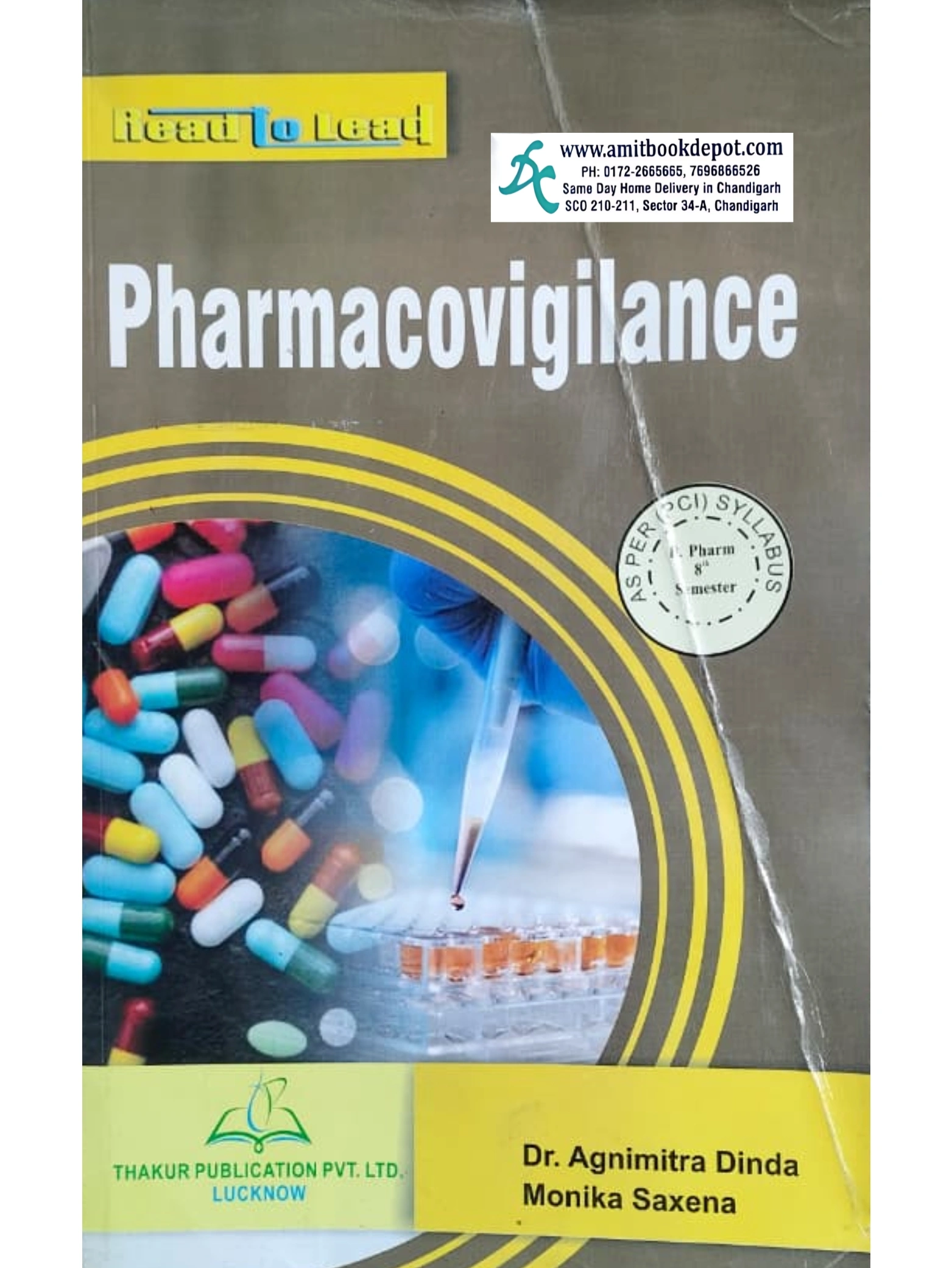
Yes, this textbook is meticulously crafted to cover all five units and sixteen chapters as outlined in the official PTU syllabus for BP 805T, ensuring no topic is missed.
Absolutely. The book includes a dedicated section detailing the objectives, structure, and reporting procedures of the PvPI, providing current national context.
Yes, there are entire chapters dedicated to Drug Dictionaries and Coding, which explain WHOART, MedDRA, Standardized MedDRA Queries (SMQs), and their practical applications in pharmacovigilance.
Yes, Module 3 contains a comprehensive chapter on Vaccine Safety Surveillance, covering vaccine pharmacovigilance, AEFI classification, and causality assessment specific to immunizations.
Yes, Chapter 13 is specifically dedicated to the Pharmacogenomics of Adverse Drug Reactions, explaining genetic polymorphisms and their impact on drug safety.
Yes, the final chapter provides a detailed overview of CDSCO, the D&C Act, Schedule Y requirements for clinical trials, and post-marketing surveillance in India.
Yes, methods like the Bayesian approach, algorithms, and global introspection for causality assessment are covered in detail in Chapter 2.
Yes, Chapter 14 is entirely focused on Drug Safety Evaluation in Special Populations, including pediatrics, geriatrics, and pregnancy & lactation.
Yes, Chapter 9 on Pharmacovigilance Methods elaborates on passive surveillance (spontaneous reporting), active surveillance (sentinel sites, registries), and observational studies.
While tailored for PTU, the comprehensive coverage of fundamental and advanced pharmacovigilance topics makes it a valuable resource for B.Pharm students of other universities, pharmacy graduates, and professionals entering the field of drug safety.
No Description Added
Yes, this textbook is meticulously crafted to cover all five units and sixteen chapters as outlined in the official PTU syllabus for BP 805T, ensuring no topic is missed.
Absolutely. The book includes a dedicated section detailing the objectives, structure, and reporting procedures of the PvPI, providing current national context.
Yes, there are entire chapters dedicated to Drug Dictionaries and Coding, which explain WHOART, MedDRA, Standardized MedDRA Queries (SMQs), and their practical applications in pharmacovigilance.
Yes, Module 3 contains a comprehensive chapter on Vaccine Safety Surveillance, covering vaccine pharmacovigilance, AEFI classification, and causality assessment specific to immunizations.
Yes, Chapter 13 is specifically dedicated to the Pharmacogenomics of Adverse Drug Reactions, explaining genetic polymorphisms and their impact on drug safety.
Yes, the final chapter provides a detailed overview of CDSCO, the D&C Act, Schedule Y requirements for clinical trials, and post-marketing surveillance in India.
Yes, methods like the Bayesian approach, algorithms, and global introspection for causality assessment are covered in detail in Chapter 2.
Yes, Chapter 14 is entirely focused on Drug Safety Evaluation in Special Populations, including pediatrics, geriatrics, and pregnancy & lactation.
Yes, Chapter 9 on Pharmacovigilance Methods elaborates on passive surveillance (spontaneous reporting), active surveillance (sentinel sites, registries), and observational studies.
While tailored for PTU, the comprehensive coverage of fundamental and advanced pharmacovigilance topics makes it a valuable resource for B.Pharm students of other universities, pharmacy graduates, and professionals entering the field of drug safety.