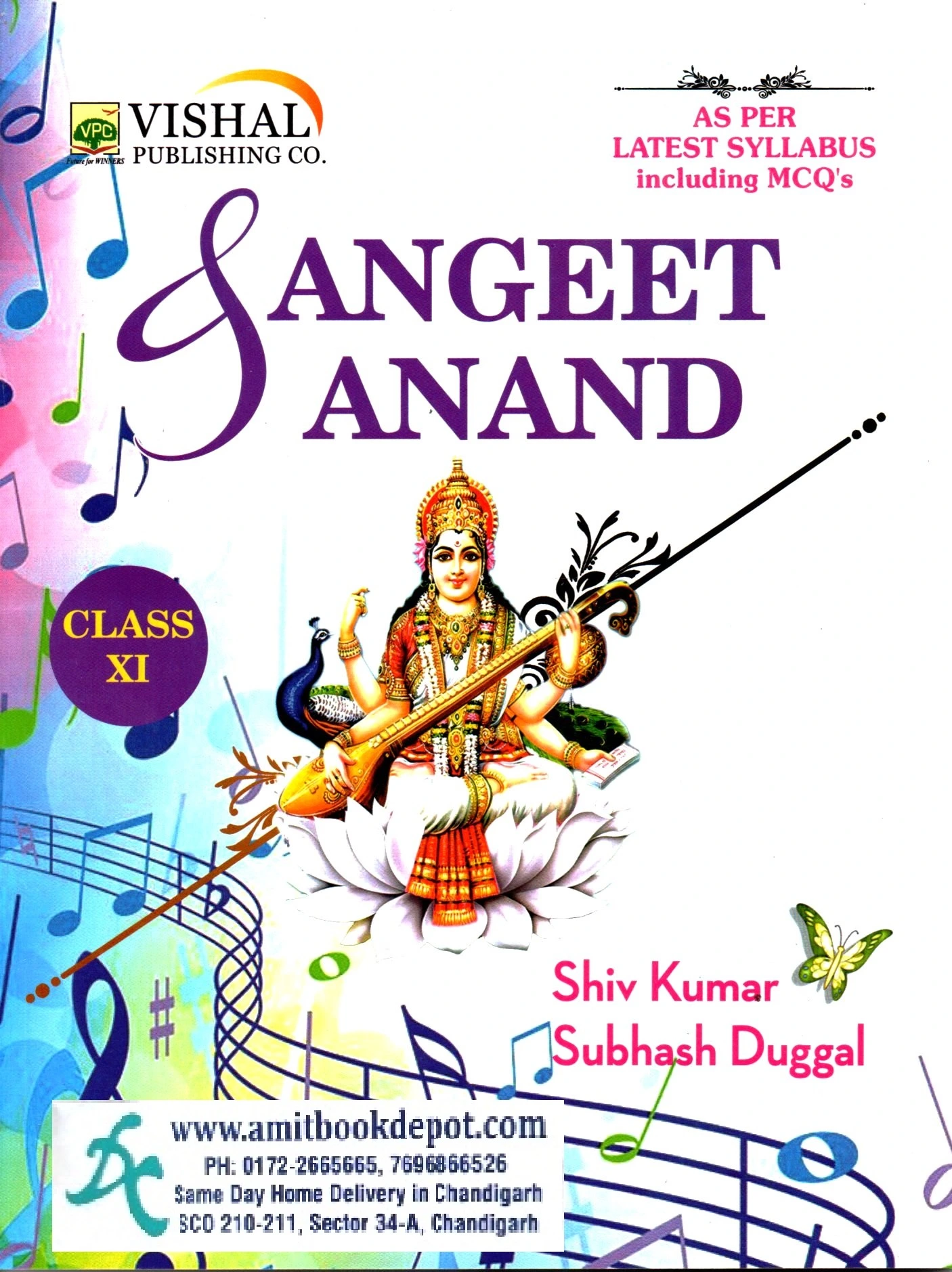
Nada is a musical, controlled sound; Dhwani is any general sound. Nada is essential for Sangeet.
22 Shrutis are recognized. They are microtonal intervals within a Saptak (octave).
Masitkhani Gata (slow, rhythmic) and Razakhani Gata (fast, brilliant). Both are Sitar compositions.
Pandit Vishnu Narayan Bhatkhande. He codified Hindustani ragas into 10 Thaats.
Thah is single-speed; Dugun is double; Chaugun is four times faster in Tala execution.
Teentala (16 beats divided as 4+4+4+4). It uses Thah, Dugun, and Chaugun patterns.
Raga Bihag uses all Shuddha Swaras but Teevra Ma is absent. It is a night Raga actually; Raga Bhairav is morning.
Nibadh Gaan is composed with Tala and rhythm; Anibadh Gaan is free, rhythm-less (e.g., Alap).
The book includes the standard composition of Jana Gana Mana, attributed to Rabindranath Tagore's notation.
Dagar, Nauhar, and Khandar (Gaurhar and Khandar are common). The book covers Dhrupad's brief history.
No Description Added
Nada is a musical, controlled sound; Dhwani is any general sound. Nada is essential for Sangeet.
22 Shrutis are recognized. They are microtonal intervals within a Saptak (octave).
Masitkhani Gata (slow, rhythmic) and Razakhani Gata (fast, brilliant). Both are Sitar compositions.
Pandit Vishnu Narayan Bhatkhande. He codified Hindustani ragas into 10 Thaats.
Thah is single-speed; Dugun is double; Chaugun is four times faster in Tala execution.
Teentala (16 beats divided as 4+4+4+4). It uses Thah, Dugun, and Chaugun patterns.
Raga Bihag uses all Shuddha Swaras but Teevra Ma is absent. It is a night Raga actually; Raga Bhairav is morning.
Nibadh Gaan is composed with Tala and rhythm; Anibadh Gaan is free, rhythm-less (e.g., Alap).
The book includes the standard composition of Jana Gana Mana, attributed to Rabindranath Tagore's notation.
Dagar, Nauhar, and Khandar (Gaurhar and Khandar are common). The book covers Dhrupad's brief history.