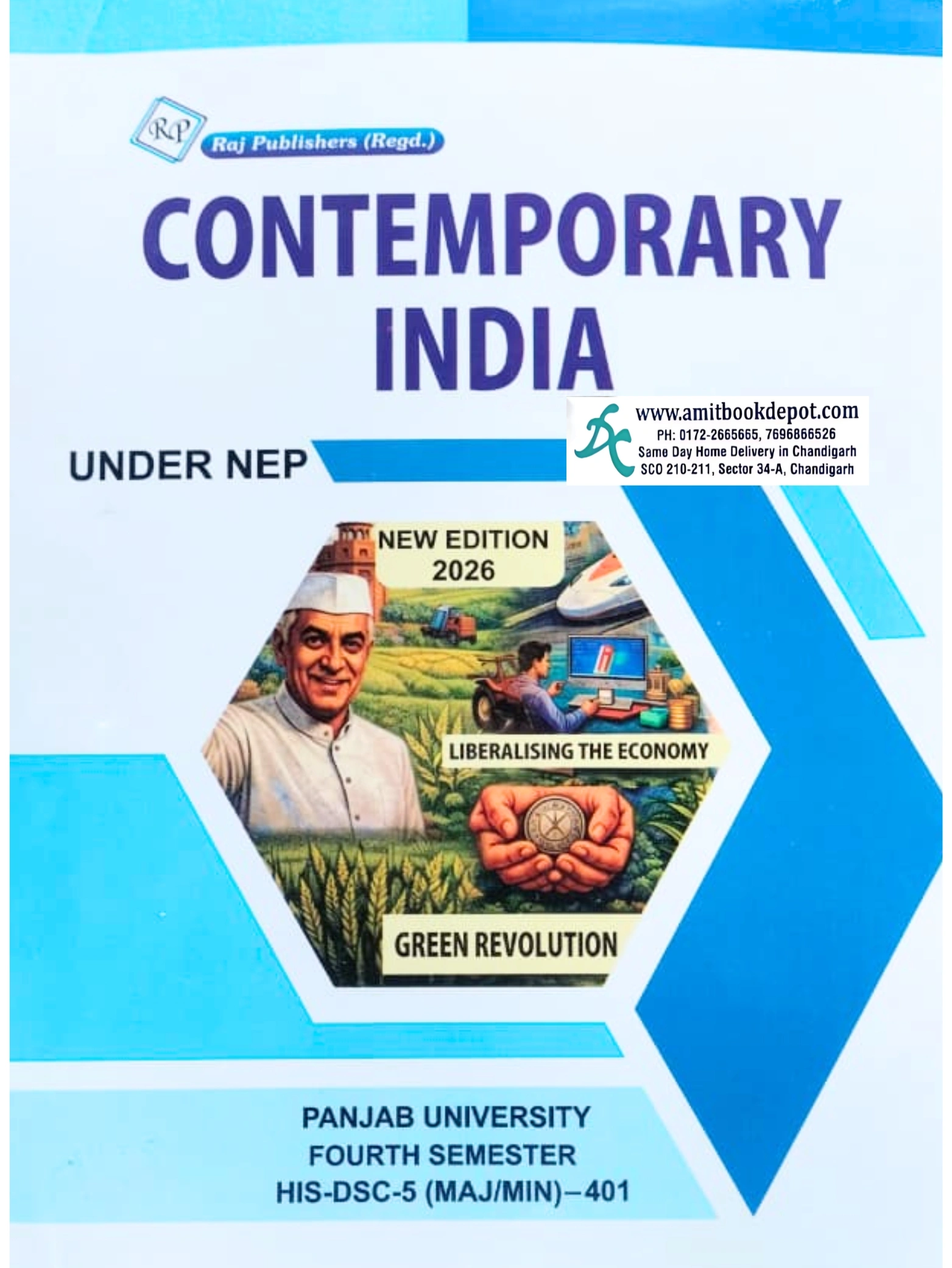
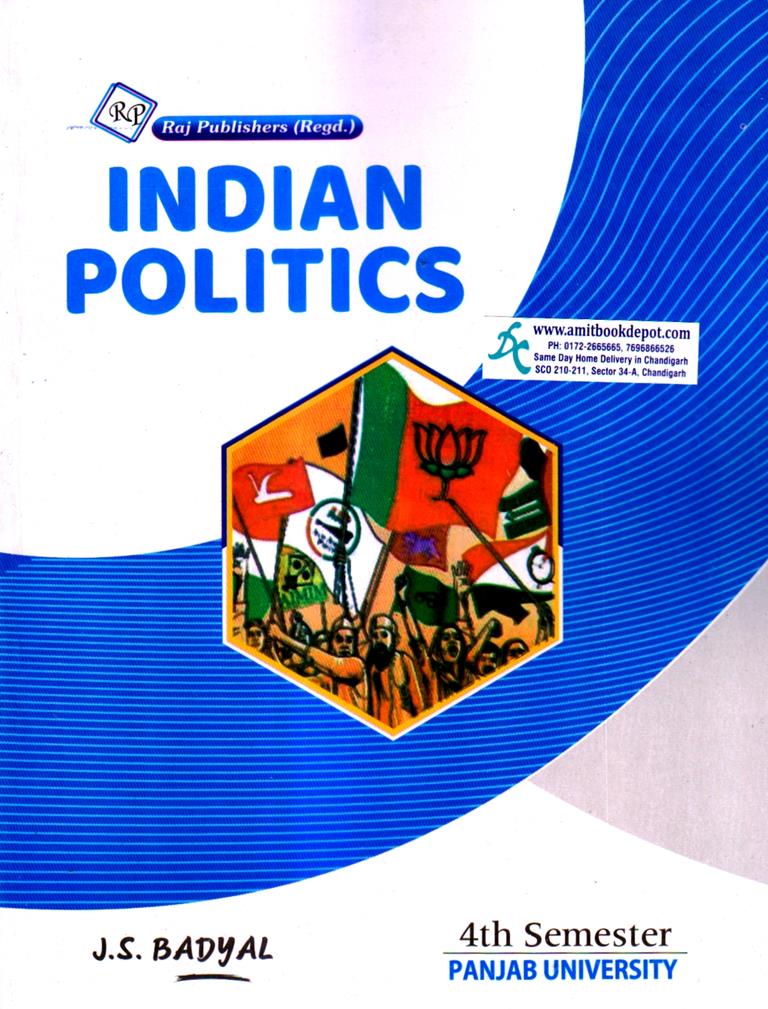
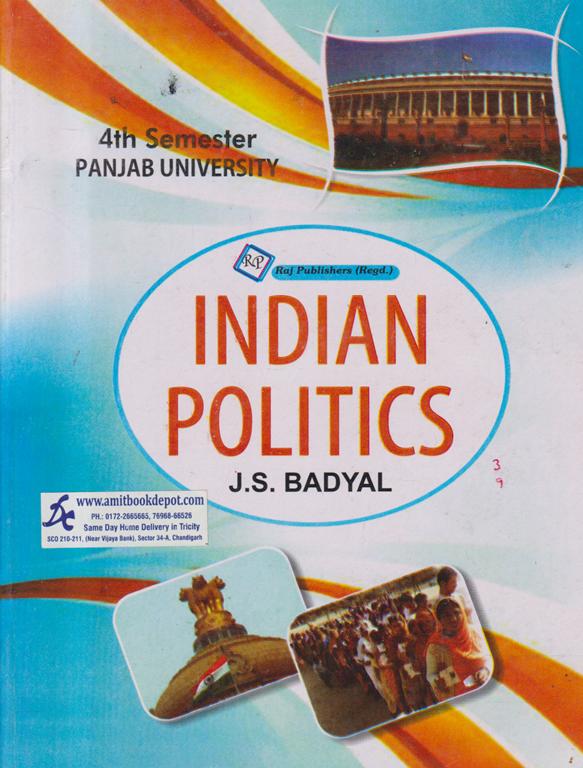
Yes, this book is specifically tailored for the BA 4th Semester under the New Education Policy (NEP). It strictly adheres to the HSS-HIS-DSC4(MAJ)-302: Contemporary India syllabus, covering all four units as prescribed by Panjab University.
Absolutely. Unit II of the book contains a dedicated chapter titled "Green Revolution (with Special Reference to Punjab)." It covers the economic, social, and technological impacts of the revolution specifically in the Punjab region, as required by the syllabus.
Yes, Unit I is dedicated to the ideologies underpinning India at Independence. There are separate, detailed chapters on Swami Vivekanand Ji, Mahatma Gandhi Ji, Pt. Jawaharlal Nehru Ji, and a comprehensive chapter on the social and political ideology of Dr. B.R. Ambedkar Ji.
Yes, these topics are covered extensively in Unit III under "Social Reform in Independent India." The book contains dedicated sections on Feminism, Anti-caste Actions, and the rights and movements of Tribals, aligning with the democratic assertion aspect of the syllabus.
Yes, Unit IV is exclusively dedicated to "Social and Political Assertions." It provides a balanced analysis of the dynamics in Punjab, the Northeastern states, Kashmir, and the Dravidian movement in Tamil Nadu.
Yes. The book covers the core theory syllabus required for the 80-mark terminal examination. As per PU rules for reappear candidates, marks are proportionately increased based on the theory paper, and this book prepares you thoroughly for that written exam.
The chapter on the Planning Commission and the Five-Year Plans details the evolution of economic planning, the achievements and criticisms of the plans, and the context leading to the liberalization of the economy, providing a complete picture of India's economic reconstruction.
Unlike general history books that cover ancient, medieval, and colonial periods, this book is exclusively focused on Contemporary India (post-1947). It focuses on policy, ideology, and social movements specific to the BA 4th Semester PU syllabus rather than broad historical events.
The chapter covers the entire spectrum. It discusses the initial import substitution strategy, the challenges of industrial licensing, the stagnation in certain periods, and the eventual impact of liberalizing the economy in 1991.
Yes. While many books cover 19th-century reform, this book specifically addresses Social Reform in Independent India. It focuses on how the Indian state and society addressed gender justice (Feminism), caste discrimination, and tribal rights after 1947.
No Description Added
Yes, this book is specifically tailored for the BA 4th Semester under the New Education Policy (NEP). It strictly adheres to the HSS-HIS-DSC4(MAJ)-302: Contemporary India syllabus, covering all four units as prescribed by Panjab University.
Absolutely. Unit II of the book contains a dedicated chapter titled "Green Revolution (with Special Reference to Punjab)." It covers the economic, social, and technological impacts of the revolution specifically in the Punjab region, as required by the syllabus.
Yes, Unit I is dedicated to the ideologies underpinning India at Independence. There are separate, detailed chapters on Swami Vivekanand Ji, Mahatma Gandhi Ji, Pt. Jawaharlal Nehru Ji, and a comprehensive chapter on the social and political ideology of Dr. B.R. Ambedkar Ji.
Yes, these topics are covered extensively in Unit III under "Social Reform in Independent India." The book contains dedicated sections on Feminism, Anti-caste Actions, and the rights and movements of Tribals, aligning with the democratic assertion aspect of the syllabus.
Yes, Unit IV is exclusively dedicated to "Social and Political Assertions." It provides a balanced analysis of the dynamics in Punjab, the Northeastern states, Kashmir, and the Dravidian movement in Tamil Nadu.
Yes. The book covers the core theory syllabus required for the 80-mark terminal examination. As per PU rules for reappear candidates, marks are proportionately increased based on the theory paper, and this book prepares you thoroughly for that written exam.
The chapter on the Planning Commission and the Five-Year Plans details the evolution of economic planning, the achievements and criticisms of the plans, and the context leading to the liberalization of the economy, providing a complete picture of India's economic reconstruction.
Unlike general history books that cover ancient, medieval, and colonial periods, this book is exclusively focused on Contemporary India (post-1947). It focuses on policy, ideology, and social movements specific to the BA 4th Semester PU syllabus rather than broad historical events.
The chapter covers the entire spectrum. It discusses the initial import substitution strategy, the challenges of industrial licensing, the stagnation in certain periods, and the eventual impact of liberalizing the economy in 1991.
Yes. While many books cover 19th-century reform, this book specifically addresses Social Reform in Independent India. It focuses on how the Indian state and society addressed gender justice (Feminism), caste discrimination, and tribal rights after 1947.