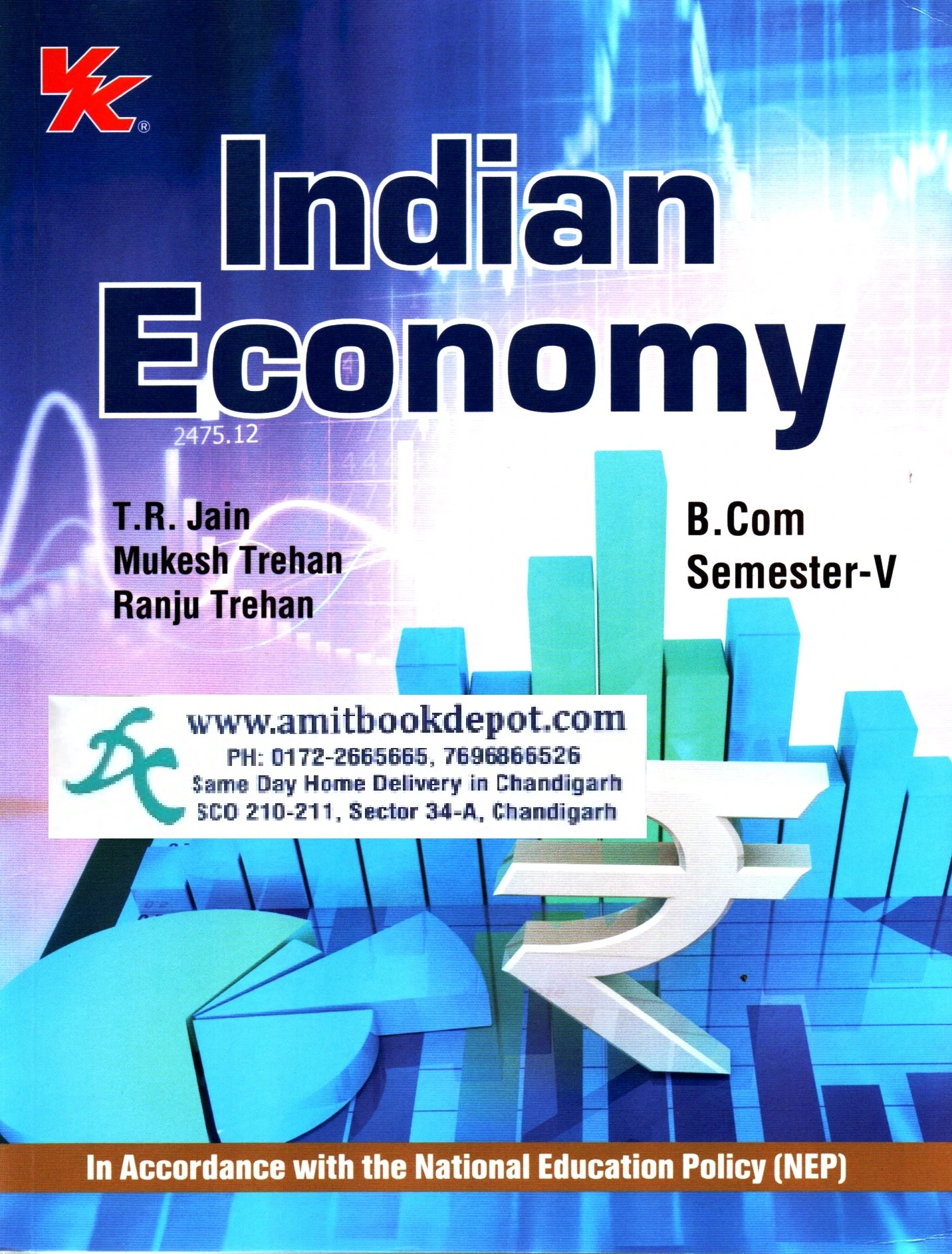
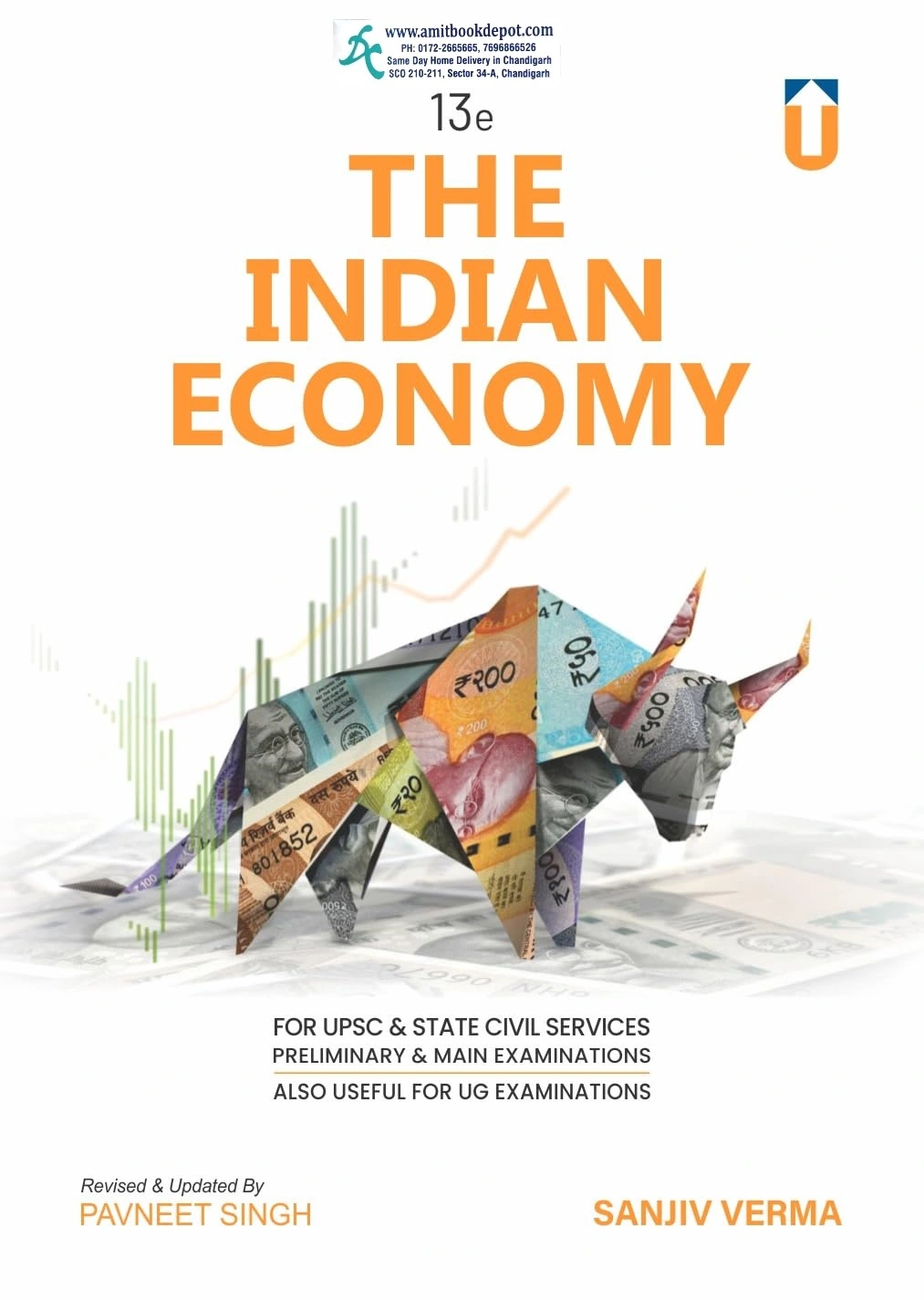
It critically examines the obsession with nominal GDP targets, contrasting them with net zero-based growth and GVA realities for sustainable economic planning.
Yes. It analyzes blockchain, AI, IoT, and machine learning for supply chain transparency, smart farming, and crop insurance, alongside farm loan waivers.
It objectively discusses agricultural pricing, Minimum Support Price issues, repealed farm laws, and the economics of subsidies and animal rearing.
It explains appreciation, depreciation, devaluation, rupee convertibility, and how RBI manages forex reserves to stabilize the external sector.
The book traces India’s industrial evolution, linking Industry 4.0 (automation, AI) to Atmanirbhar Bharat and PLI schemes for manufacturing competitiveness.

Yes. It details tax devolution, vertical and horizontal imbalances, and the Commission’s role in government finances and fiscal federalism.
The book critiques farm loan waivers as fiscally costly, distorting credit discipline, and less effective than direct income support for poverty alleviation.
It evaluates demonetisation’s impact on tax revenues, formalization of economy, and long-term effects on black money generation and currency management.
A foundational primer making complex economic concepts accessible—avoiding jargon, focusing on intuition behind GDP, inflation, and policy tools.
Yes. It explains their role in foreign reserves management, comparing global SWFs with India’s approach to external debt and investment stability.
No Description Added
It critically examines the obsession with nominal GDP targets, contrasting them with net zero-based growth and GVA realities for sustainable economic planning.
Yes. It analyzes blockchain, AI, IoT, and machine learning for supply chain transparency, smart farming, and crop insurance, alongside farm loan waivers.
It objectively discusses agricultural pricing, Minimum Support Price issues, repealed farm laws, and the economics of subsidies and animal rearing.
It explains appreciation, depreciation, devaluation, rupee convertibility, and how RBI manages forex reserves to stabilize the external sector.
The book traces India’s industrial evolution, linking Industry 4.0 (automation, AI) to Atmanirbhar Bharat and PLI schemes for manufacturing competitiveness.
Yes. It details tax devolution, vertical and horizontal imbalances, and the Commission’s role in government finances and fiscal federalism.
The book critiques farm loan waivers as fiscally costly, distorting credit discipline, and less effective than direct income support for poverty alleviation.
It evaluates demonetisation’s impact on tax revenues, formalization of economy, and long-term effects on black money generation and currency management.
A foundational primer making complex economic concepts accessible—avoiding jargon, focusing on intuition behind GDP, inflation, and policy tools.
Yes. It explains their role in foreign reserves management, comparing global SWFs with India’s approach to external debt and investment stability.