-
Mon-Fri: 10AM to 8PM 01722665665
-
My Account
-
-
0
Total :
₹ 0.00

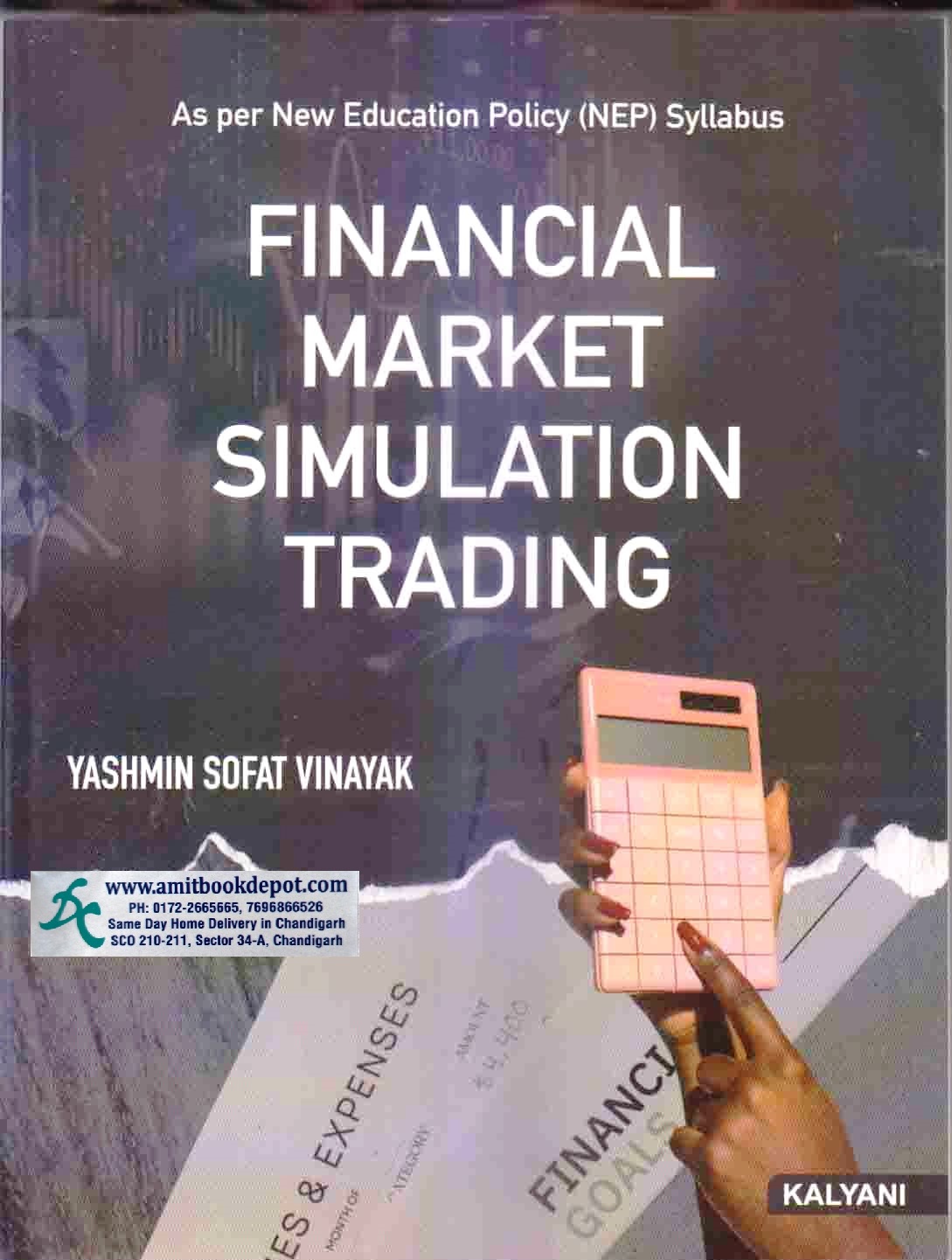



While the book covers the general functionality and use of trading apps, it focuses on fundamental concepts and procedures rather than providing a step-by-step guide for any single, proprietary platform.
A significant portion (Chapters 8-16) is dedicated to fundamental analysis, covering Equity Instruments, Security Analysis, Financial Statements (P&L, Balance Sheet, Cash Flow), Ratios, and Shareholders' Pattern.
The book covers the foundational structure and rules of the Indian markets. For the very latest regulatory updates, it is always recommended to cross-reference with current SEBI circulars and exchange notices.
Yes, the book starts with foundational concepts like the Indian Security Market and Primary Market, making it accessible to beginners. The language is pedagogical and designed for progressive learning.
This chapter teaches you how to analyze the distribution of a company's ownership (promoters, FIIs, DIIs, public) to assess its stability, governance quality, and potential future performance.
The chapters on the "Primary Market" and "Methods of Floating New Issues" explain the IPO process in detail, helping you understand how companies go public and how you can evaluate such opportunities.
The listed chapters focus on equity instruments and the cash market. Derivatives are not explicitly mentioned in the provided Table of Contents.
As a book focused on the Indian market, the principles of financial statement analysis discussed are applicable and relevant to reports prepared under Indian accounting standards.
The book includes an "Introduction to Demat Account," which covers its essential role and function. The specifics of the latest, fully digital KYC processes should be verified with a Depository Participant (DP).
This book's unique strength is its specific focus on the Indian financial market structure combined with a practical, simulation-oriented approach that links fundamental analysis directly to the mechanics of modern trading apps and systems.
No Description Added
While the book covers the general functionality and use of trading apps, it focuses on fundamental concepts and procedures rather than providing a step-by-step guide for any single, proprietary platform.
A significant portion (Chapters 8-16) is dedicated to fundamental analysis, covering Equity Instruments, Security Analysis, Financial Statements (P&L, Balance Sheet, Cash Flow), Ratios, and Shareholders' Pattern.
The book covers the foundational structure and rules of the Indian markets. For the very latest regulatory updates, it is always recommended to cross-reference with current SEBI circulars and exchange notices.
Yes, the book starts with foundational concepts like the Indian Security Market and Primary Market, making it accessible to beginners. The language is pedagogical and designed for progressive learning.
This chapter teaches you how to analyze the distribution of a company's ownership (promoters, FIIs, DIIs, public) to assess its stability, governance quality, and potential future performance.
The chapters on the "Primary Market" and "Methods of Floating New Issues" explain the IPO process in detail, helping you understand how companies go public and how you can evaluate such opportunities.
The listed chapters focus on equity instruments and the cash market. Derivatives are not explicitly mentioned in the provided Table of Contents.
As a book focused on the Indian market, the principles of financial statement analysis discussed are applicable and relevant to reports prepared under Indian accounting standards.
The book includes an "Introduction to Demat Account," which covers its essential role and function. The specifics of the latest, fully digital KYC processes should be verified with a Depository Participant (DP).
This book's unique strength is its specific focus on the Indian financial market structure combined with a practical, simulation-oriented approach that links fundamental analysis directly to the mechanics of modern trading apps and systems.