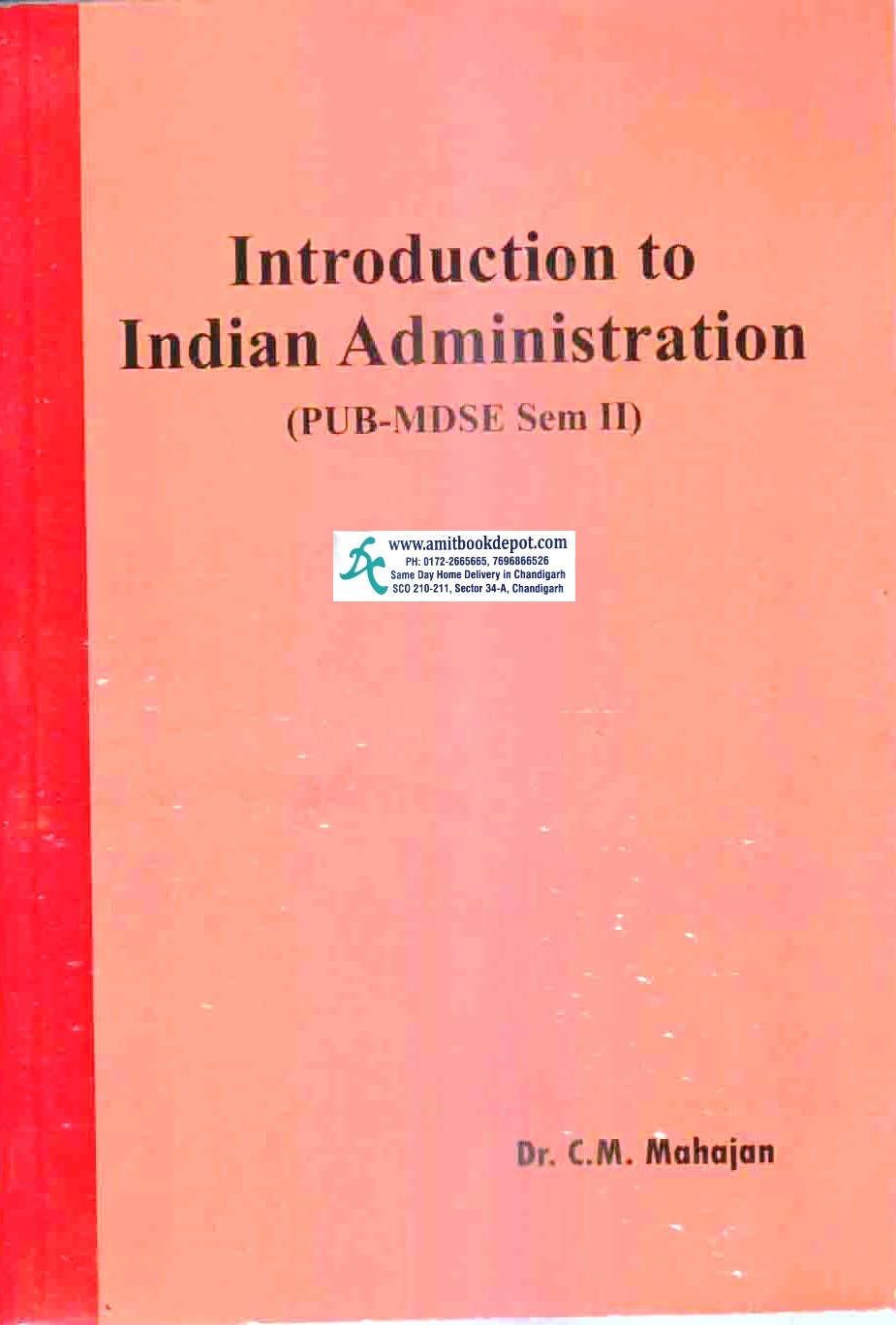
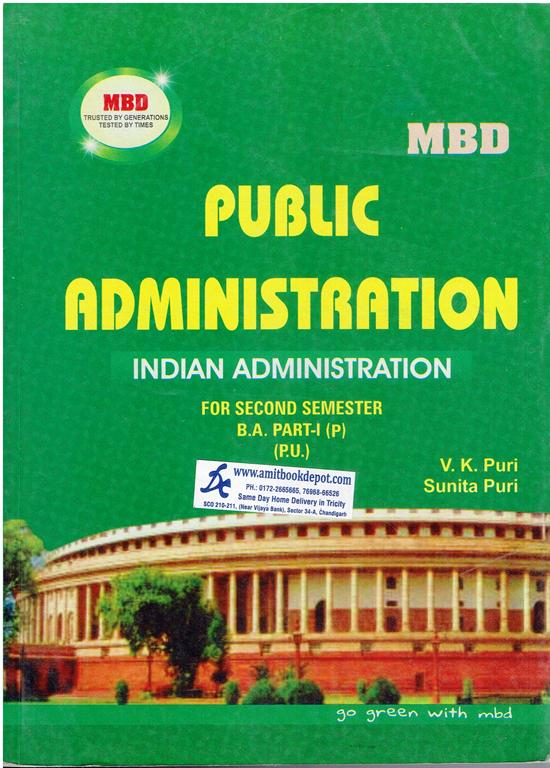
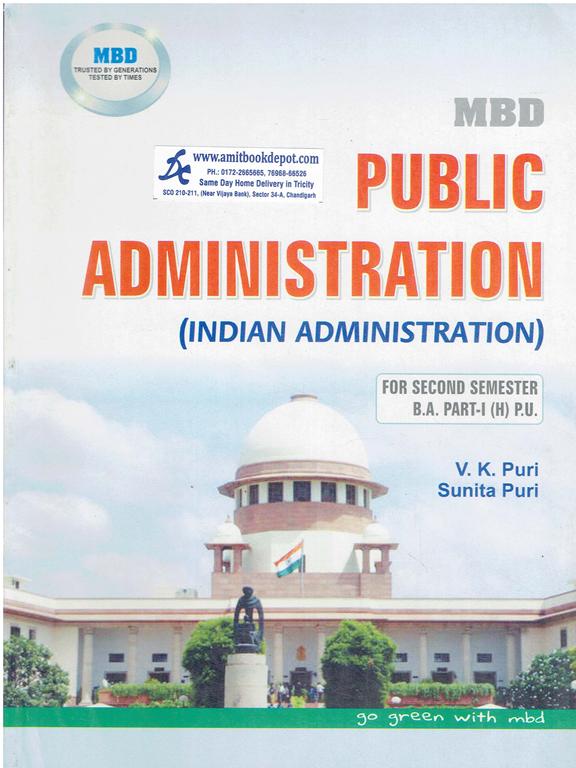
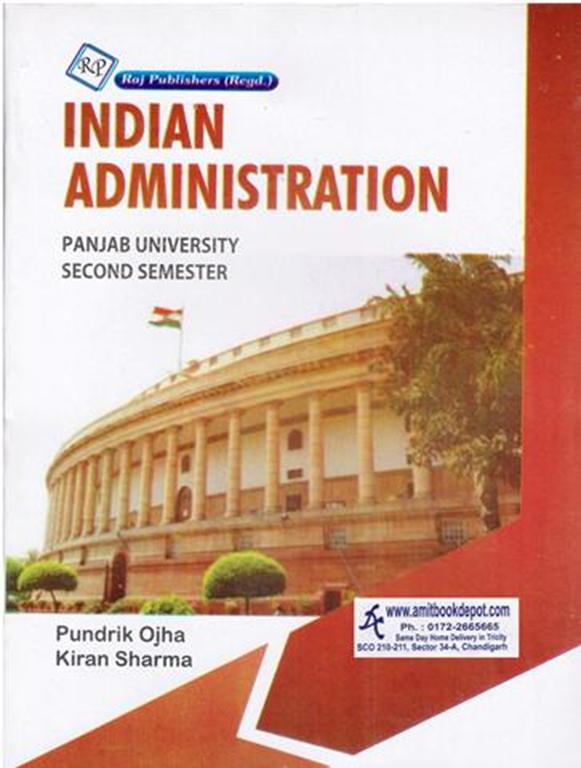
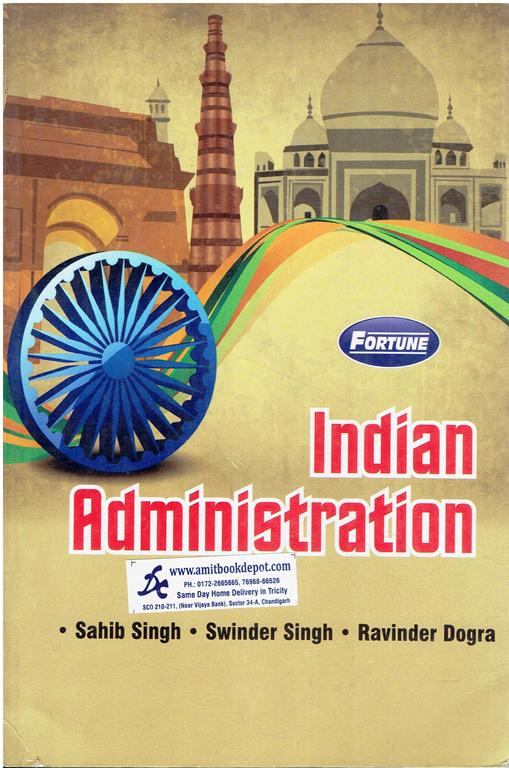
Yes, this book by Dr. C. M. Mahajan is the prescribed text specifically for the "Basics of Indian Administration" paper (PUB-MDSE) for Panjab University Chandigarh BA Second Semester.
Absolutely. The chapters are meticulously structured to cover all three units of the syllabus, including the features of Indian administration, the Union and State executives, and all constitutional bodies like UPSC, CAG, and ECI.
Yes, this book is highly recommended for USOL and private candidates as it is self-contained and aligns directly with the syllabus, providing all the necessary theoretical knowledge required for the 75-mark paper.
Yes, the book contains dedicated chapters (Chapter 9 and 10) that comprehensively cover the composition, appointment, and functions of both the CAG and the Election Commission of India.
Yes, Chapter 6 is entirely dedicated to "Relationship between Political and Permanent Executive," which is a key learning outcome of the syllabus.
While each office is covered in its own dedicated chapter (Chapter 2 and 3), the book provides a clear individual analysis of their respective powers and roles, allowing students to understand their distinct functions within the Union Executive.
The book is written as an introductory guide, making it suitable for students new to the subject, with content presented in a clear and academic tone.
For the most up-to-date information on specific reforms, you may need to supplement with recent government publications or news, but the book covers the constitutional and foundational aspects which are largely constant.
While it provides a strong foundational understanding of Indian Administration for beginners, UPSC preparation requires more advanced and detailed resources. This book is ideal for university-level exams.
Yes, the book contains distinct chapters for the UPSC (Chapter 7) and the SPSC (Chapter 8), detailing their respective composition and functions at the central and state levels.
No Description Added
Yes, this book by Dr. C. M. Mahajan is the prescribed text specifically for the "Basics of Indian Administration" paper (PUB-MDSE) for Panjab University Chandigarh BA Second Semester.
Absolutely. The chapters are meticulously structured to cover all three units of the syllabus, including the features of Indian administration, the Union and State executives, and all constitutional bodies like UPSC, CAG, and ECI.
Yes, this book is highly recommended for USOL and private candidates as it is self-contained and aligns directly with the syllabus, providing all the necessary theoretical knowledge required for the 75-mark paper.
Yes, the book contains dedicated chapters (Chapter 9 and 10) that comprehensively cover the composition, appointment, and functions of both the CAG and the Election Commission of India.
Yes, Chapter 6 is entirely dedicated to "Relationship between Political and Permanent Executive," which is a key learning outcome of the syllabus.
While each office is covered in its own dedicated chapter (Chapter 2 and 3), the book provides a clear individual analysis of their respective powers and roles, allowing students to understand their distinct functions within the Union Executive.
The book is written as an introductory guide, making it suitable for students new to the subject, with content presented in a clear and academic tone.
For the most up-to-date information on specific reforms, you may need to supplement with recent government publications or news, but the book covers the constitutional and foundational aspects which are largely constant.
While it provides a strong foundational understanding of Indian Administration for beginners, UPSC preparation requires more advanced and detailed resources. This book is ideal for university-level exams.
Yes, the book contains distinct chapters for the UPSC (Chapter 7) and the SPSC (Chapter 8), detailing their respective composition and functions at the central and state levels.