-
Mon-Fri: 10AM to 8PM 01722665665
-
My Account
-
-
0
Total :
₹ 0.00

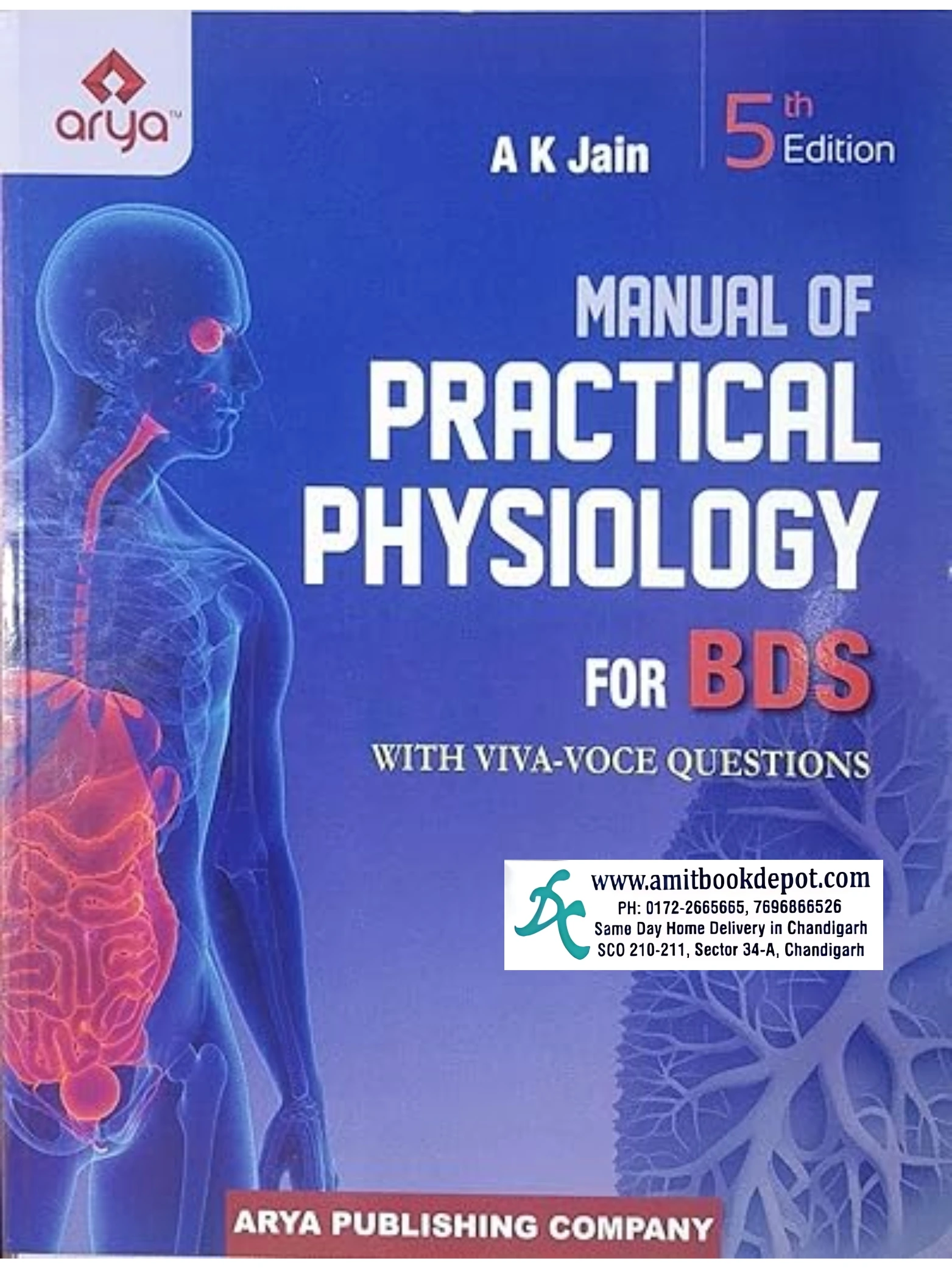




Sahli’s method is used for haemoglobin estimation, providing a foundational technique for assessing oxygen-carrying capacity.
It details the gastrocnemius-sciatic nerve preparation in frogs to study muscle twitch, tetanus, fatigue, and the effects of stimuli.
It covers recording a normal cardiogram in amphibians and a 12-lead Electrocardiogram (ECG) in human experiments.
The manual provides systematic methodologies for examining the abdomen, respiratory system, cardiovascular system, and nervous system.
It covers the determination of RBC Indices, Erythrocyte Sedimentation Rate (ESR), Packed Cell Volume (PCV), and osmotic fragility.
The manual covers stethography to study respiratory movements and vitalography to assess the effect of posture on vital capacity.
Yes, it includes a dedicated section on Cardiopulmonary Cerebral Resuscitation (CPCR) as part of the respiratory system unit.
It provides a standard protocol for the determination of blood groups using the A, B, O, and Rh system.
The experiment covers the effect of stimulation of the vagus nerve and the white crescentic line on the cardiogram.
It explains using after-loaded and free-loaded conditions to calculate the work done by a skeletal muscle.
Sahli’s method is used for haemoglobin estimation, providing a foundational technique for assessing oxygen-carrying capacity.
It details the gastrocnemius-sciatic nerve preparation in frogs to study muscle twitch, tetanus, fatigue, and the effects of stimuli.
It covers recording a normal cardiogram in amphibians and a 12-lead Electrocardiogram (ECG) in human experiments.
The manual provides systematic methodologies for examining the abdomen, respiratory system, cardiovascular system, and nervous system.
It covers the determination of RBC Indices, Erythrocyte Sedimentation Rate (ESR), Packed Cell Volume (PCV), and osmotic fragility.
The manual covers stethography to study respiratory movements and vitalography to assess the effect of posture on vital capacity.
Yes, it includes a dedicated section on Cardiopulmonary Cerebral Resuscitation (CPCR) as part of the respiratory system unit.
It provides a standard protocol for the determination of blood groups using the A, B, O, and Rh system.
The experiment covers the effect of stimulation of the vagus nerve and the white crescentic line on the cardiogram.
It explains using after-loaded and free-loaded conditions to calculate the work done by a skeletal muscle.