-
Mon-Fri: 10AM to 8PM 01722665665
-
My Account
-
-
0
Total :
₹ 0.00


.jpg)
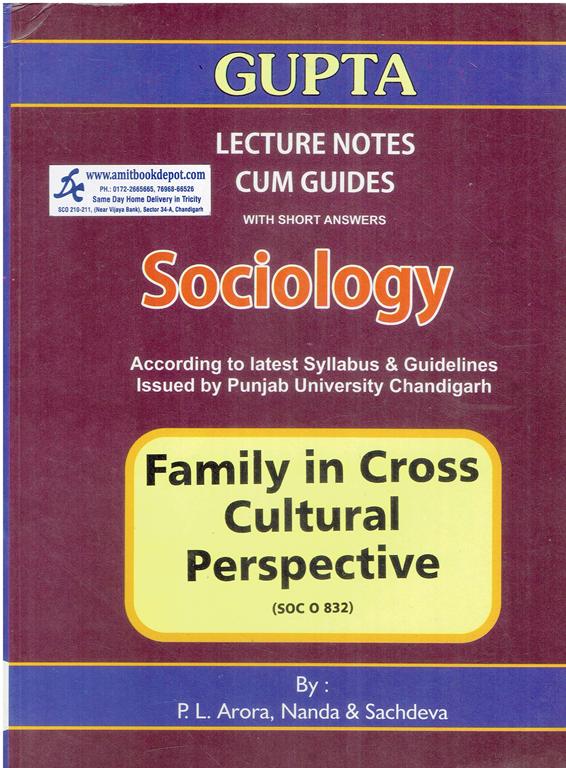
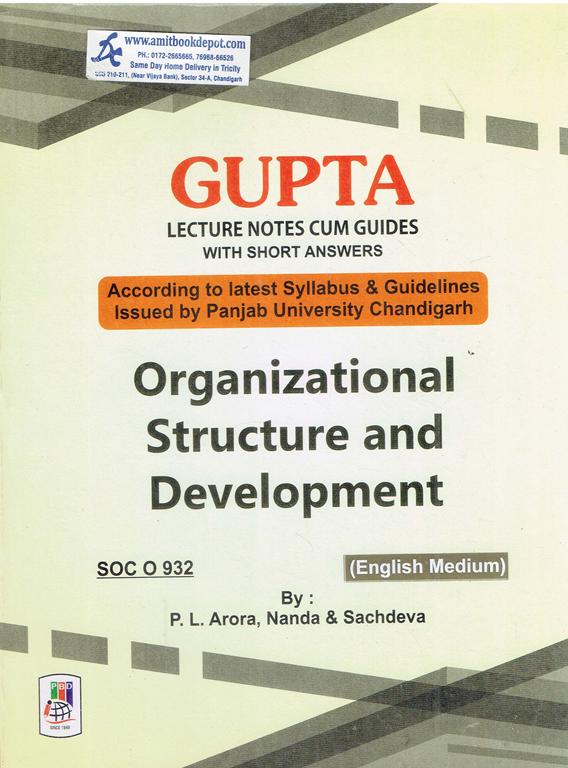
Yes, this book by P.L. Arora, Nanda, and Sachdeva is meticulously structured to cover all four units of the latest prescribed syllabus for MA Sociology 3rd Semester at Panjab University, Chandigarh.
Absolutely. Unit I includes a dedicated chapter analyzing the historical overview of development planning in India and the institutional shift to NITI Aayog, as per the syllabus.
Yes, Unit II on the Voluntary Sector contains specific case studies of voluntary organizations, helping students link theoretical potential and limitations to practical examples.
Unit III provides an in-depth analysis, covering compensatory discrimination, constitutional measures, and a dedicated chapter on the Mandal Commission and the ongoing reservation debate, followed by a sociological appraisal.
No, Unit IV specifically addresses the social implications of globalization in India, with separate chapters on its impact on agriculture, labor, women, and youth, as required by the syllabus.
Yes, the book is written in clear, academic Hindi to ensure complex sociological concepts are easily understandable for students studying in the Hindi medium.
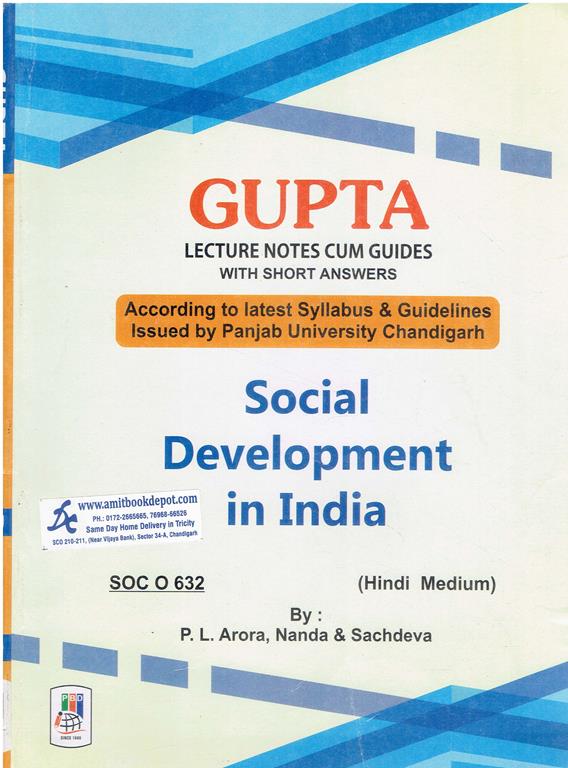
While tailored for Panjab University's SOC O 632, the content on social development, disadvantaged groups, and globalization makes it a valuable reference for any student or researcher interested in the sociology of Indian development.
Yes, particularly in Unit III, it concludes with a sociological appraisal of the development policies for Scheduled Castes, Scheduled Tribes, and Backward Classes, encouraging critical analysis.
Yes, the book provides a concise yet comprehensive historical overview of development in India, setting the context for understanding present-day status and policies.
Unit III includes a dedicated chapter that outlines and discusses various development schemes implemented for the welfare and advancement of Scheduled Castes, Scheduled Tribes, and Backward Classes.
No Description Added
Yes, this book by P.L. Arora, Nanda, and Sachdeva is meticulously structured to cover all four units of the latest prescribed syllabus for MA Sociology 3rd Semester at Panjab University, Chandigarh.
Absolutely. Unit I includes a dedicated chapter analyzing the historical overview of development planning in India and the institutional shift to NITI Aayog, as per the syllabus.
Yes, Unit II on the Voluntary Sector contains specific case studies of voluntary organizations, helping students link theoretical potential and limitations to practical examples.
Unit III provides an in-depth analysis, covering compensatory discrimination, constitutional measures, and a dedicated chapter on the Mandal Commission and the ongoing reservation debate, followed by a sociological appraisal.
No, Unit IV specifically addresses the social implications of globalization in India, with separate chapters on its impact on agriculture, labor, women, and youth, as required by the syllabus.
Yes, the book is written in clear, academic Hindi to ensure complex sociological concepts are easily understandable for students studying in the Hindi medium.
While tailored for Panjab University's SOC O 632, the content on social development, disadvantaged groups, and globalization makes it a valuable reference for any student or researcher interested in the sociology of Indian development.
Yes, particularly in Unit III, it concludes with a sociological appraisal of the development policies for Scheduled Castes, Scheduled Tribes, and Backward Classes, encouraging critical analysis.
Yes, the book provides a concise yet comprehensive historical overview of development in India, setting the context for understanding present-day status and policies.
Unit III includes a dedicated chapter that outlines and discusses various development schemes implemented for the welfare and advancement of Scheduled Castes, Scheduled Tribes, and Backward Classes.