-
Mon-Fri: 10AM to 8PM 01722665665
-
My Account
-
-
0
Total :
₹ 0.00

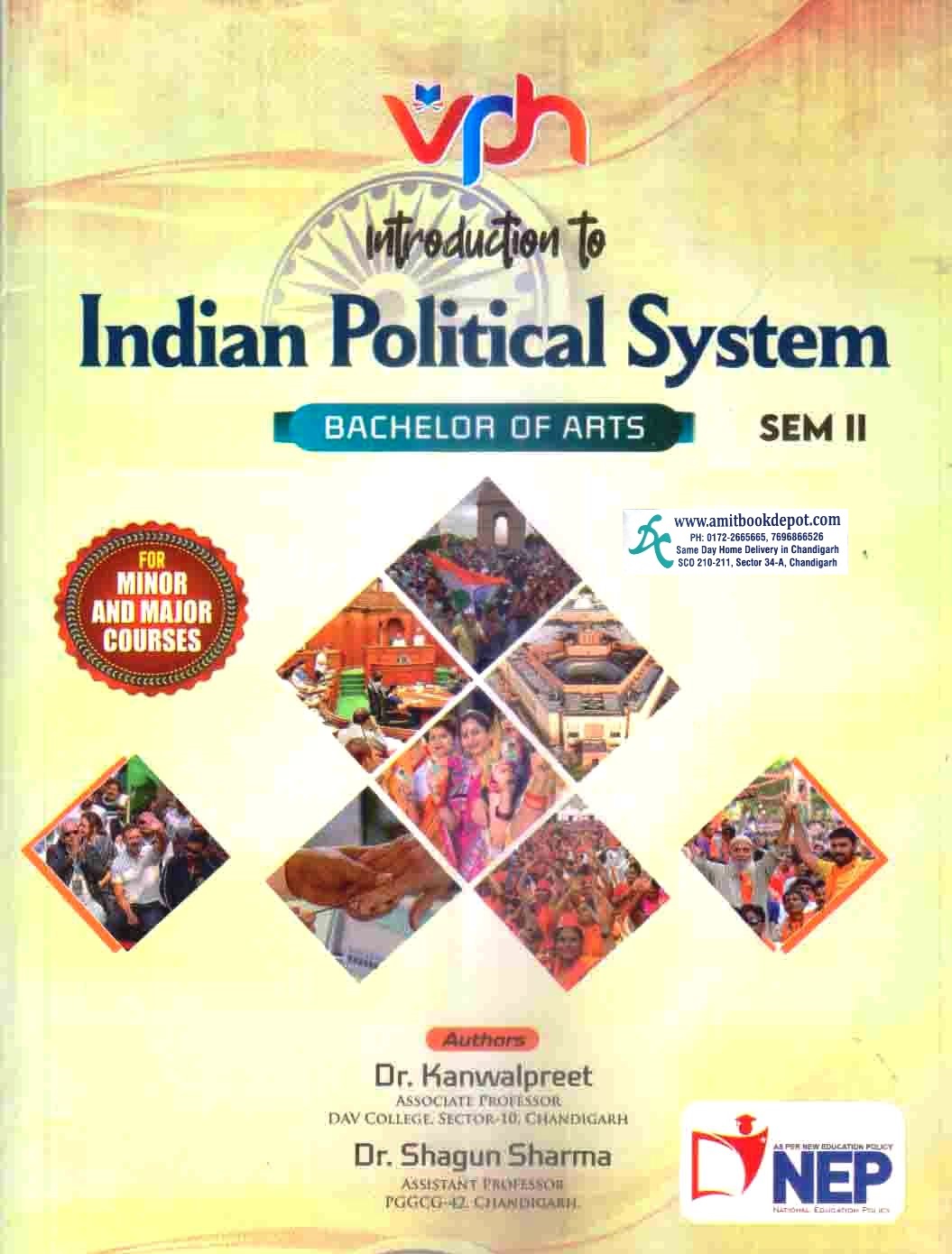
Yes, this book is meticulously crafted to align 100% with the latest syllabus for Course POLDSC2: Introduction to the Indian Political System for Panjab University.
Yes, it features a dedicated and unique section titled "Watershed Cases in Easy Language" that simplifies important judicial verdicts for better understanding.
Absolutely. The book includes a specific section for "Short Answer Type Questions" designed to help students tackle the compulsory first question of the exam paper effectively.
The book provides a dedicated chapter on the Constituent Assembly, explaining its composition and the key ideologies and debates that influenced the drafting of the Indian Constitution.
Yes, the book contains distinct chapters for the "Office of the President" and "The Indian Cabinet and the Office of the Prime Minister," detailing their respective powers, roles, and constitutional positions.
Yes, the language is clear and designed for undergraduate students, explaining complex constitutional concepts and legal articles in an easy-to-understand manner.
Yes, the book not only covers them in separate chapters but also discusses their conflict, harmony, and comparative analysis as required by the syllabus.
Yes, a full chapter on "Parliament—Composition, Powers, and Role" provides a detailed explanation based on the relevant constitutional articles.
Yes, the chapter on the "Supreme Court of India" explicitly explains its powers, jurisdiction, and position with reference to the specific constitutional articles (124-147).
While its primary focus is the Panjab University syllabus, the foundational knowledge of the Indian Constitution, Fundamental Rights, and Polity makes it a good starter book for competitive exam aspirants.
No Description Added
Yes, this book is meticulously crafted to align 100% with the latest syllabus for Course POLDSC2: Introduction to the Indian Political System for Panjab University.
Yes, it features a dedicated and unique section titled "Watershed Cases in Easy Language" that simplifies important judicial verdicts for better understanding.
Absolutely. The book includes a specific section for "Short Answer Type Questions" designed to help students tackle the compulsory first question of the exam paper effectively.
The book provides a dedicated chapter on the Constituent Assembly, explaining its composition and the key ideologies and debates that influenced the drafting of the Indian Constitution.
Yes, the book contains distinct chapters for the "Office of the President" and "The Indian Cabinet and the Office of the Prime Minister," detailing their respective powers, roles, and constitutional positions.
Yes, the language is clear and designed for undergraduate students, explaining complex constitutional concepts and legal articles in an easy-to-understand manner.
Yes, the book not only covers them in separate chapters but also discusses their conflict, harmony, and comparative analysis as required by the syllabus.
Yes, a full chapter on "Parliament—Composition, Powers, and Role" provides a detailed explanation based on the relevant constitutional articles.
Yes, the chapter on the "Supreme Court of India" explicitly explains its powers, jurisdiction, and position with reference to the specific constitutional articles (124-147).
While its primary focus is the Panjab University syllabus, the foundational knowledge of the Indian Constitution, Fundamental Rights, and Polity makes it a good starter book for competitive exam aspirants.