-
Mon-Fri: 10AM to 8PM 01722665665
-
My Account
-
-
0
Total :
₹ 0.00

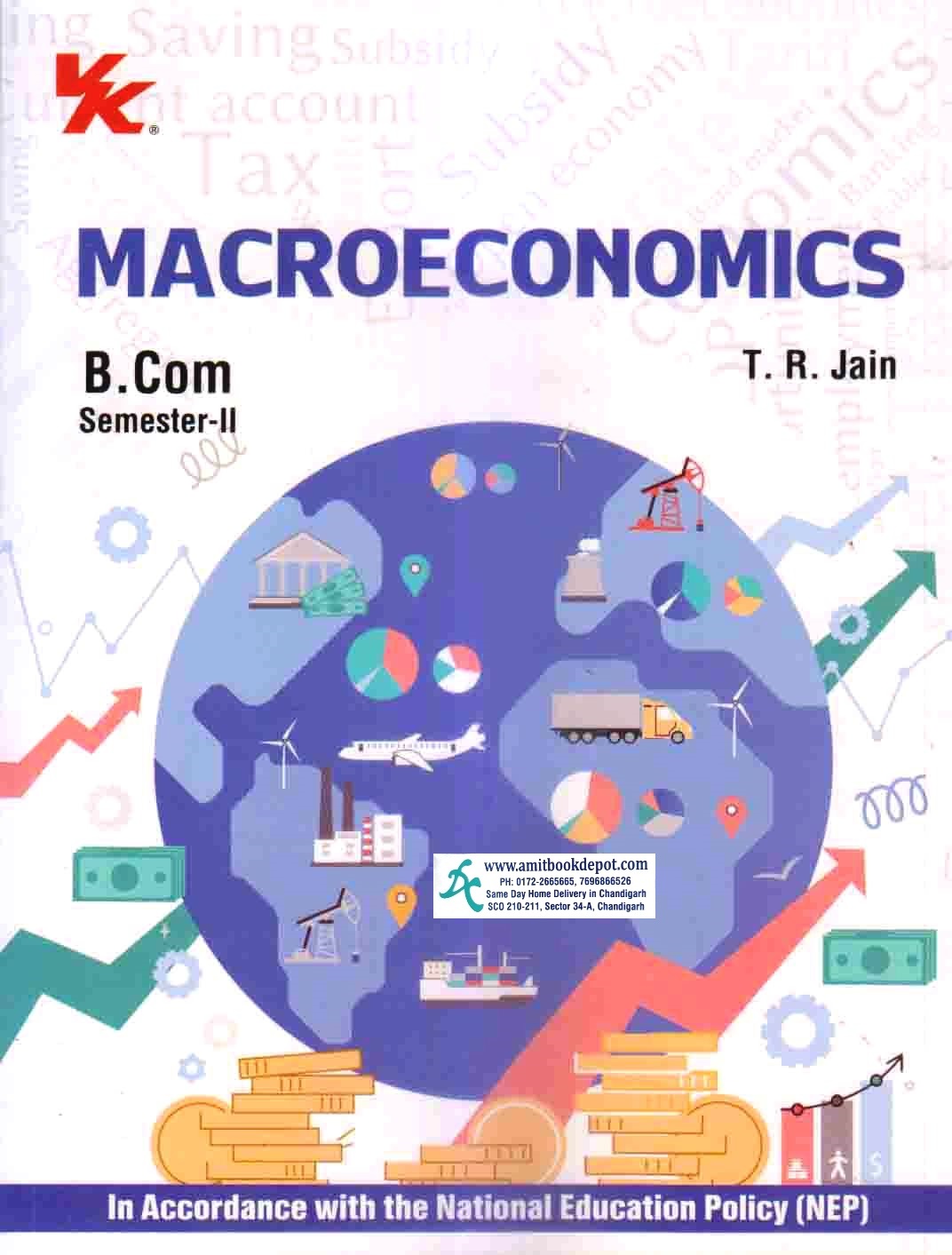
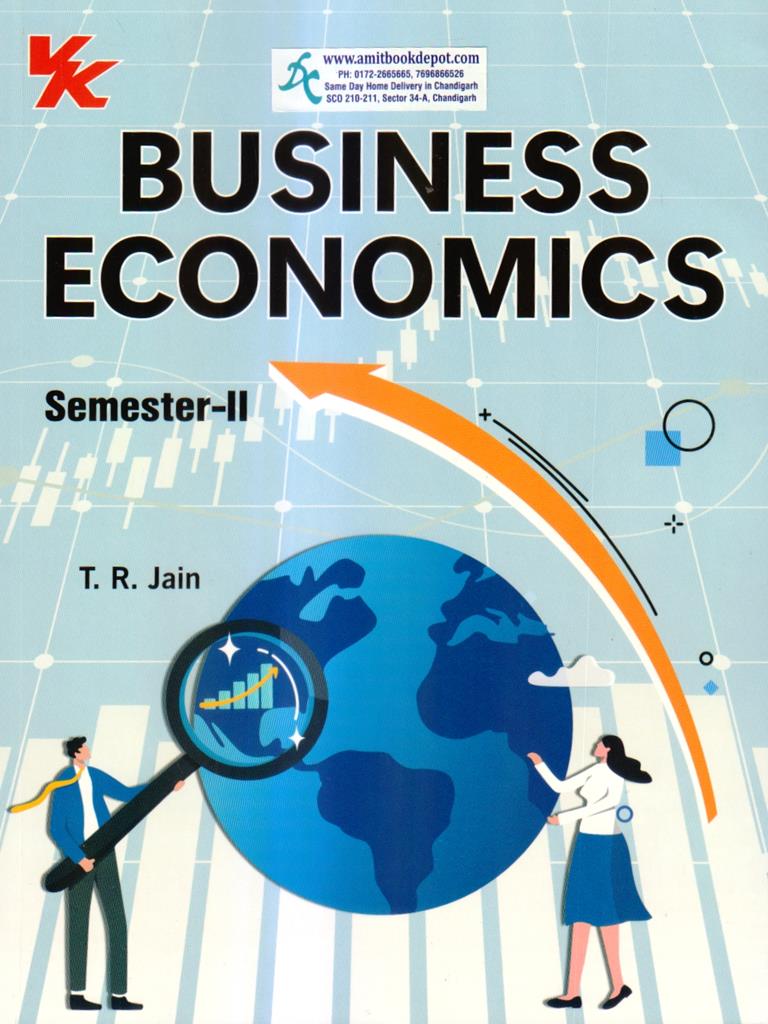
Yes, the book is meticulously crafted to cover the entire syllabus for the MACRO ECONOMICS course (Code: NBCM 203) for B.Com Semester 2, including all units and topics as prescribed.
Absolutely. The content is developed and updated to include knowledge of subject developments up to 6 months before the examination, in strict adherence to the university's instructions for paper setters and candidates.
The chapters are organized to align with the exam structure. Unit I content prepares you for Section B (essay-type questions), and Unit II content prepares you for Section C. The entire book's content is relevant for the short-answer questions in Section A.
Yes, the syllabus indicates the possibility of numerical questions in Sections B and C. The book covers the concepts of the Multiplier and Consumption Function in detail, which are essential for tackling such questions, though the primary focus is on theoretical understanding as per the outlined typology.
Yes, a key strength of this book is its clear, comparative presentation of the Classical Theory of Employment (including Say's Law) and the Keynesian Theory of Employment in separate, dedicated chapters, highlighting their fundamental differences.
Yes, the book by T.R. Jain is known for its student-friendly approach and explains complex theories like Quasi-Rent and Keynes' Psychological Law of Consumption with clarity, often using examples to aid understanding.
Certainly. The comprehensive coverage of topics and clear explanation of concepts make it an excellent resource for active learning during tutorials, interactive sessions, and group discussions.
Yes, the chapter on Profit comprehensively covers the Nature, Types, and key theories including the Dynamic Theory, Innovation Theory, Risk-Bearing Theory, and Uncertainty-Bearing Theory of Profits as outlined in the syllabus.
The book is written in a clear, straightforward language tailored for undergraduate commerce students, making complex macroeconomic concepts accessible and easy to grasp.
The book encourages the application of theory to real-world contexts, helping you associate current economic events with concepts like consumption, investment, and employment theories, fulfilling the stated Course Outcome (CO₂).
No Description Added
Yes, the book is meticulously crafted to cover the entire syllabus for the MACRO ECONOMICS course (Code: NBCM 203) for B.Com Semester 2, including all units and topics as prescribed.
Absolutely. The content is developed and updated to include knowledge of subject developments up to 6 months before the examination, in strict adherence to the university's instructions for paper setters and candidates.
The chapters are organized to align with the exam structure. Unit I content prepares you for Section B (essay-type questions), and Unit II content prepares you for Section C. The entire book's content is relevant for the short-answer questions in Section A.
Yes, the syllabus indicates the possibility of numerical questions in Sections B and C. The book covers the concepts of the Multiplier and Consumption Function in detail, which are essential for tackling such questions, though the primary focus is on theoretical understanding as per the outlined typology.
Yes, a key strength of this book is its clear, comparative presentation of the Classical Theory of Employment (including Say's Law) and the Keynesian Theory of Employment in separate, dedicated chapters, highlighting their fundamental differences.
Yes, the book by T.R. Jain is known for its student-friendly approach and explains complex theories like Quasi-Rent and Keynes' Psychological Law of Consumption with clarity, often using examples to aid understanding.
Certainly. The comprehensive coverage of topics and clear explanation of concepts make it an excellent resource for active learning during tutorials, interactive sessions, and group discussions.
Yes, the chapter on Profit comprehensively covers the Nature, Types, and key theories including the Dynamic Theory, Innovation Theory, Risk-Bearing Theory, and Uncertainty-Bearing Theory of Profits as outlined in the syllabus.
The book is written in a clear, straightforward language tailored for undergraduate commerce students, making complex macroeconomic concepts accessible and easy to grasp.
The book encourages the application of theory to real-world contexts, helping you associate current economic events with concepts like consumption, investment, and employment theories, fulfilling the stated Course Outcome (CO₂).