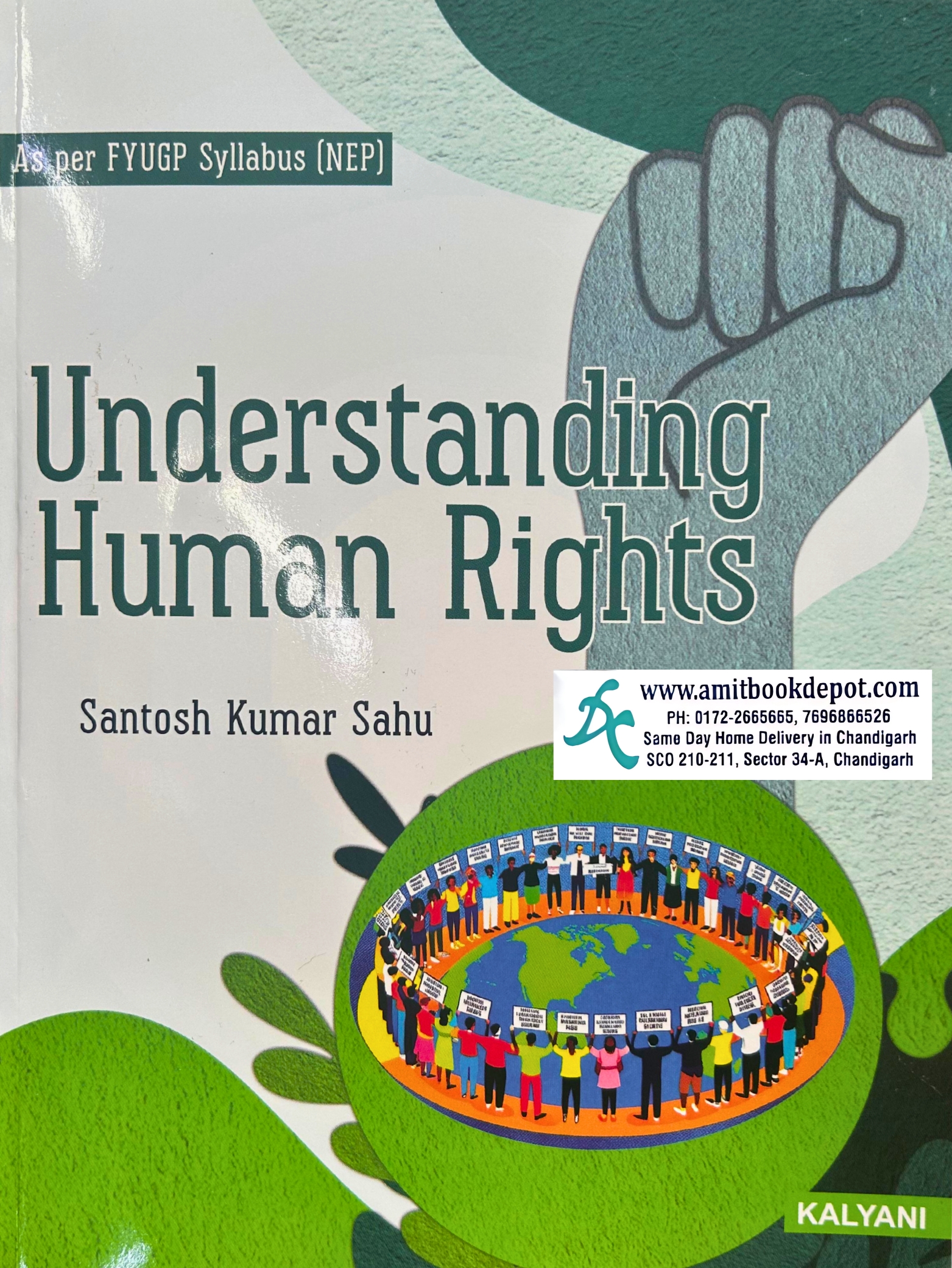
Yes, it is 100% aligned with the NEP syllabus prescribed for Panjab University (PU), Chandigarh’s VAC course.
Yes, it follows the exam structure with short and long answer-type questions as per university guidelines.
Absolutely! The book incorporates landmark judgments, UN case studies, and practical examples for better understanding.
While it is designed for PU Chandigarh’s syllabus, the foundational knowledge can aid in competitive exam preparation.
Yes, it provides a balanced discussion on Indian constitutional provisions and UN-led international human rights laws.
Yes, the content is presented in simple, easy-to-understand language suitable for all undergraduate students.
Yes, Chapter 2 covers NHRC’s role, functions, and statutory provisions in India.
Certainly! It serves as an excellent teaching aid due to its structured content and syllabus compliance.
It covers fundamental concepts and landmark cases, but students should supplement with latest updates if needed.
Chapter 4 specifically focuses on capacity-building, advocacy, and practical steps to promote human rights.
No Description Added
Yes, it is 100% aligned with the NEP syllabus prescribed for Panjab University (PU), Chandigarh’s VAC course.
Yes, it follows the exam structure with short and long answer-type questions as per university guidelines.
Absolutely! The book incorporates landmark judgments, UN case studies, and practical examples for better understanding.
While it is designed for PU Chandigarh’s syllabus, the foundational knowledge can aid in competitive exam preparation.
Yes, it provides a balanced discussion on Indian constitutional provisions and UN-led international human rights laws.
Yes, the content is presented in simple, easy-to-understand language suitable for all undergraduate students.
Yes, Chapter 2 covers NHRC’s role, functions, and statutory provisions in India.
Certainly! It serves as an excellent teaching aid due to its structured content and syllabus compliance.
It covers fundamental concepts and landmark cases, but students should supplement with latest updates if needed.
Chapter 4 specifically focuses on capacity-building, advocacy, and practical steps to promote human rights.