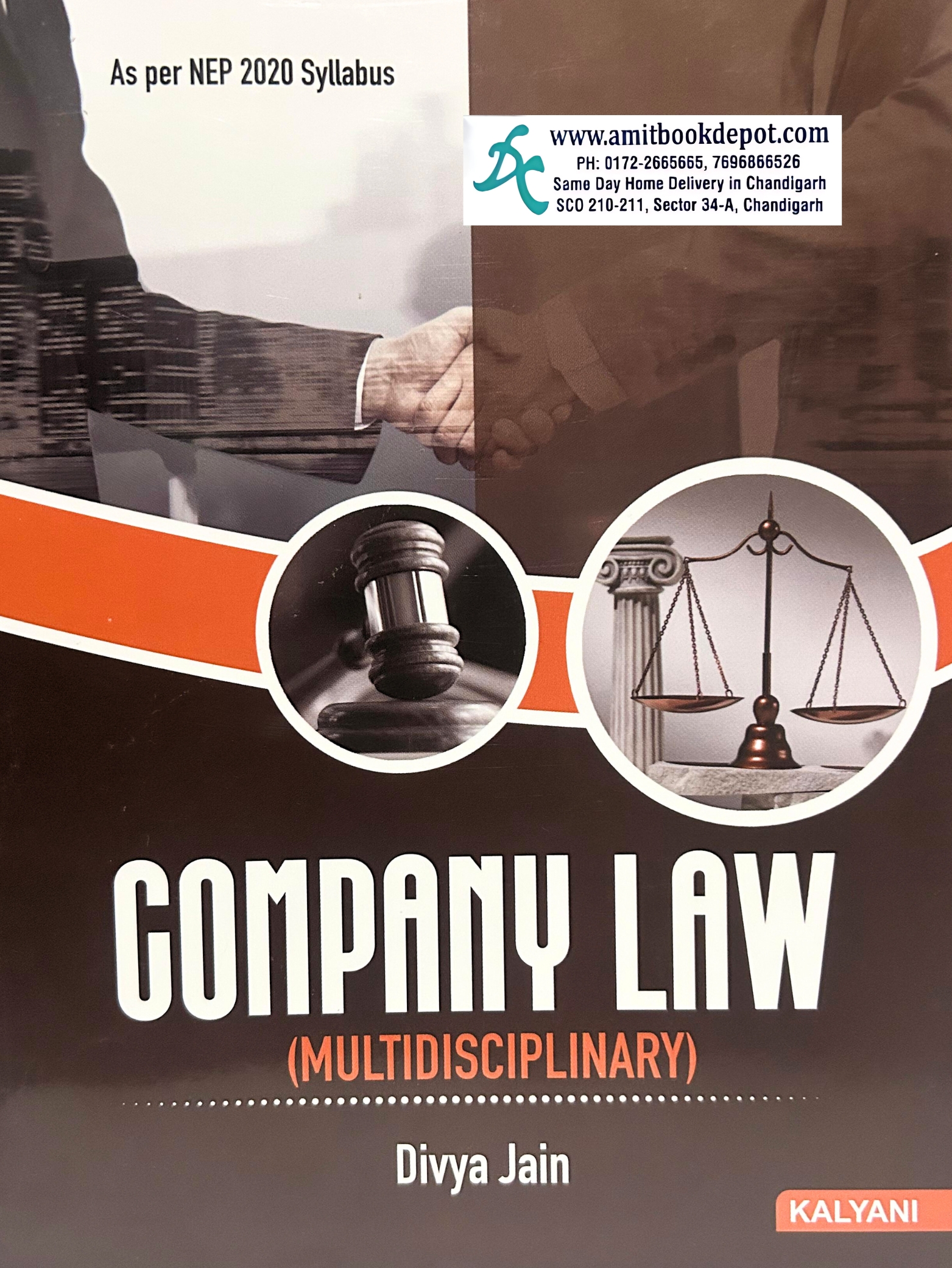
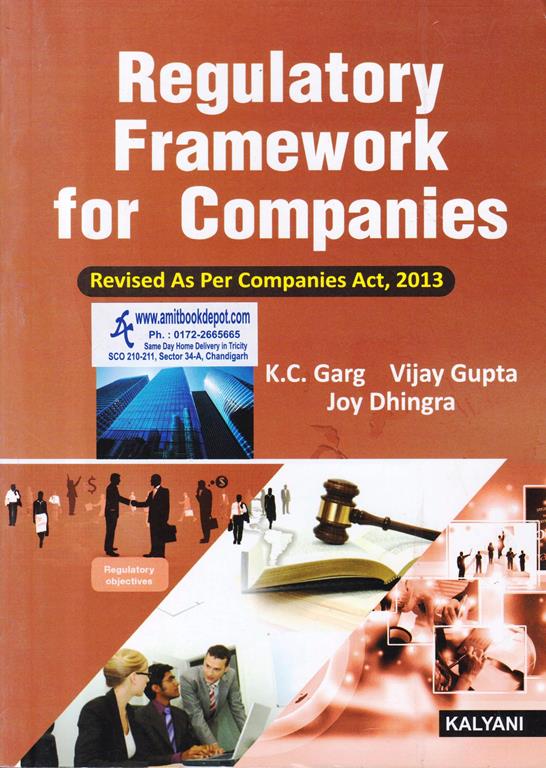
Yes, the book is meticulously crafted based on the Companies Act, 2013 and includes all relevant amendments, making it current and reliable for academic study.
While the book provides a strong conceptual foundation for analyzing case studies, it is recommended to cross-reference with the specific case list provided by your university faculty for in-depth analysis.
The book explains concepts like the Book Building Process and ASBA in detail. For specific numerical problem-solving, you should practice with the examples provided in the chapter and refer to university question papers.
Absolutely. This book is an excellent self-study resource for distance learning students as it follows the PU syllabus closely and explains concepts in a clear, structured manner.
Yes, Chapter 16 is dedicated to Emerging Issues, providing insights into contemporary challenges and evolving trends in corporate law, which is a part of the syllabus.
Yes, these critical legal doctrines are explained in detail with relevant examples and scenarios to ensure conceptual clarity.
The book is written in clear, student-friendly language specifically designed to simplify complex legal jargon for undergraduate students.
Yes, the Dematerialization of Shares and the difference between Transfer & Transmission of Shares are covered in the chapter on Shares and Share Capital.
This book is specifically designed for Panjab University semester exams. While it covers fundamental company law concepts, CA/CS exams require more extensive and specialized material.
The provided table of contents does not explicitly mention chapter-end questions. Its primary strength is its comprehensive and explanatory content aligned with the PU exam pattern.
No Description Added
Yes, the book is meticulously crafted based on the Companies Act, 2013 and includes all relevant amendments, making it current and reliable for academic study.
While the book provides a strong conceptual foundation for analyzing case studies, it is recommended to cross-reference with the specific case list provided by your university faculty for in-depth analysis.
The book explains concepts like the Book Building Process and ASBA in detail. For specific numerical problem-solving, you should practice with the examples provided in the chapter and refer to university question papers.
Absolutely. This book is an excellent self-study resource for distance learning students as it follows the PU syllabus closely and explains concepts in a clear, structured manner.
Yes, Chapter 16 is dedicated to Emerging Issues, providing insights into contemporary challenges and evolving trends in corporate law, which is a part of the syllabus.
Yes, these critical legal doctrines are explained in detail with relevant examples and scenarios to ensure conceptual clarity.
The book is written in clear, student-friendly language specifically designed to simplify complex legal jargon for undergraduate students.
Yes, the Dematerialization of Shares and the difference between Transfer & Transmission of Shares are covered in the chapter on Shares and Share Capital.
This book is specifically designed for Panjab University semester exams. While it covers fundamental company law concepts, CA/CS exams require more extensive and specialized material.
The provided table of contents does not explicitly mention chapter-end questions. Its primary strength is its comprehensive and explanatory content aligned with the PU exam pattern.