-
Mon-Fri: 10AM to 8PM 01722665665
-
My Account
-
-
0
Total :
₹ 0.00

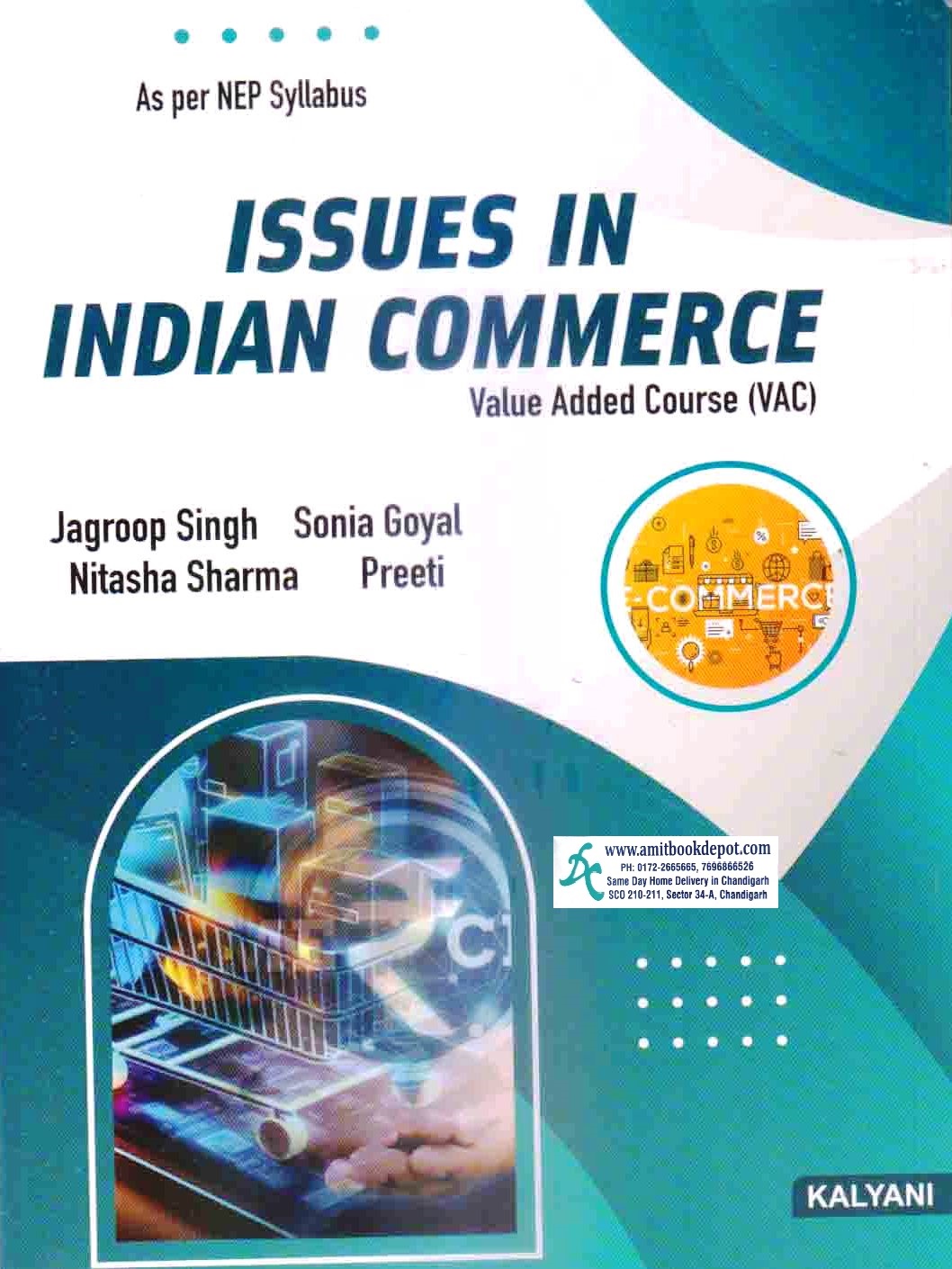

Yes, this book is meticulously crafted to cover the entire syllabus for the "Issues in Indian Commerce" course (Code: NBCM 106B) as prescribed by Panjab University Chandigarh under the National Education Policy (NEP).
Absolutely. The book provides a dedicated section that clearly explains the conceptual and practical differences between Foreign Direct Investment (FDI) and Foreign Portfolio Investment (FPI).
Yes, Unit II of the book includes a detailed discussion on various PPP models, including Built Operate and Transfer (BOT) and Built Operate Levy and Transfer (BOLT), which are part of the syllabus.
Yes, understanding the historical role and functions of FIPB is crucial from a syllabus and academic perspective. The book covers its role to provide context for the current FDI approval processes, including the Automatic Route.
The book includes a Question Bank and previous Question Papers, which are designed to help students practice the exact format of short and essay-type questions they will encounter in their 2-hour, 50-mark exam.
The book offers a balanced analysis, covering not only the objectives and focus sectors of the "Make in India" initiative but also the key issues and challenges it faces, as required by the syllabus.
Yes, as a Value Added Course (VAC), it is designed to be accessible to students from diverse streams. The book explains concepts in a clear and structured manner, making it suitable for beginners.
Yes, there is a dedicated chapter that discusses the need for investor protection and the initiatives taken, with specific focus on the role and functions of the Securities and Exchange Board of India (SEBI).
The book is published with the latest syllabus and aims to provide the most recent and relevant information available at the time of publication. It covers the growth trends in energy, transport, and communication infrastructure.
While it provides a solid foundation on issues in Indian commerce, it is primarily designed for the Panjab University Chandigarh undergraduate syllabus. It can be a useful introductory resource, but dedicated materials are recommended for competitive exams.
No Description Added
Yes, this book is meticulously crafted to cover the entire syllabus for the "Issues in Indian Commerce" course (Code: NBCM 106B) as prescribed by Panjab University Chandigarh under the National Education Policy (NEP).
Absolutely. The book provides a dedicated section that clearly explains the conceptual and practical differences between Foreign Direct Investment (FDI) and Foreign Portfolio Investment (FPI).
Yes, Unit II of the book includes a detailed discussion on various PPP models, including Built Operate and Transfer (BOT) and Built Operate Levy and Transfer (BOLT), which are part of the syllabus.
Yes, understanding the historical role and functions of FIPB is crucial from a syllabus and academic perspective. The book covers its role to provide context for the current FDI approval processes, including the Automatic Route.
The book includes a Question Bank and previous Question Papers, which are designed to help students practice the exact format of short and essay-type questions they will encounter in their 2-hour, 50-mark exam.
The book offers a balanced analysis, covering not only the objectives and focus sectors of the "Make in India" initiative but also the key issues and challenges it faces, as required by the syllabus.
Yes, as a Value Added Course (VAC), it is designed to be accessible to students from diverse streams. The book explains concepts in a clear and structured manner, making it suitable for beginners.
Yes, there is a dedicated chapter that discusses the need for investor protection and the initiatives taken, with specific focus on the role and functions of the Securities and Exchange Board of India (SEBI).
The book is published with the latest syllabus and aims to provide the most recent and relevant information available at the time of publication. It covers the growth trends in energy, transport, and communication infrastructure.
While it provides a solid foundation on issues in Indian commerce, it is primarily designed for the Panjab University Chandigarh undergraduate syllabus. It can be a useful introductory resource, but dedicated materials are recommended for competitive exams.