-
Mon-Fri: 10AM to 8PM 01722665665
-
My Account
-
-
0
Total :
₹ 0.00

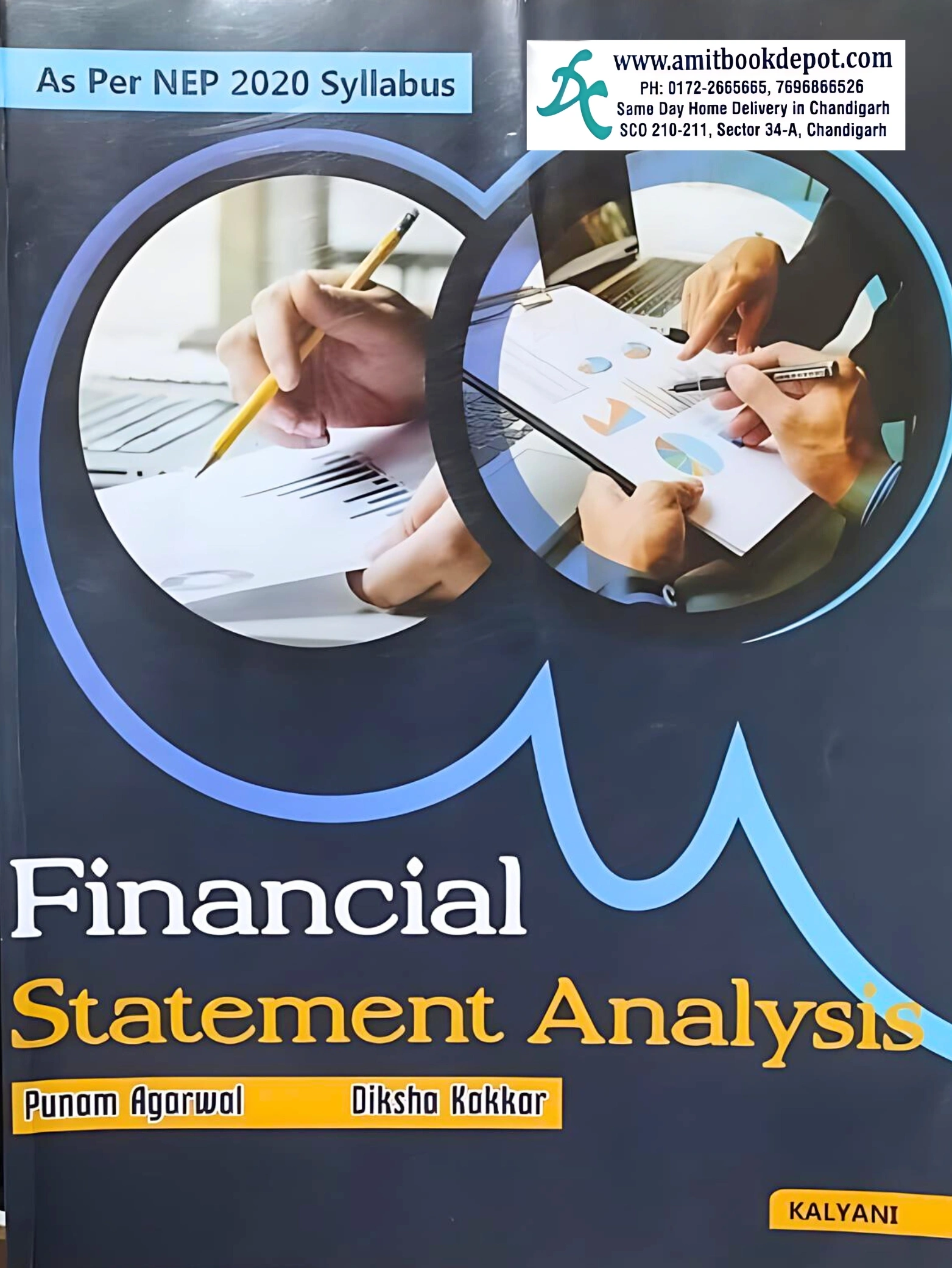

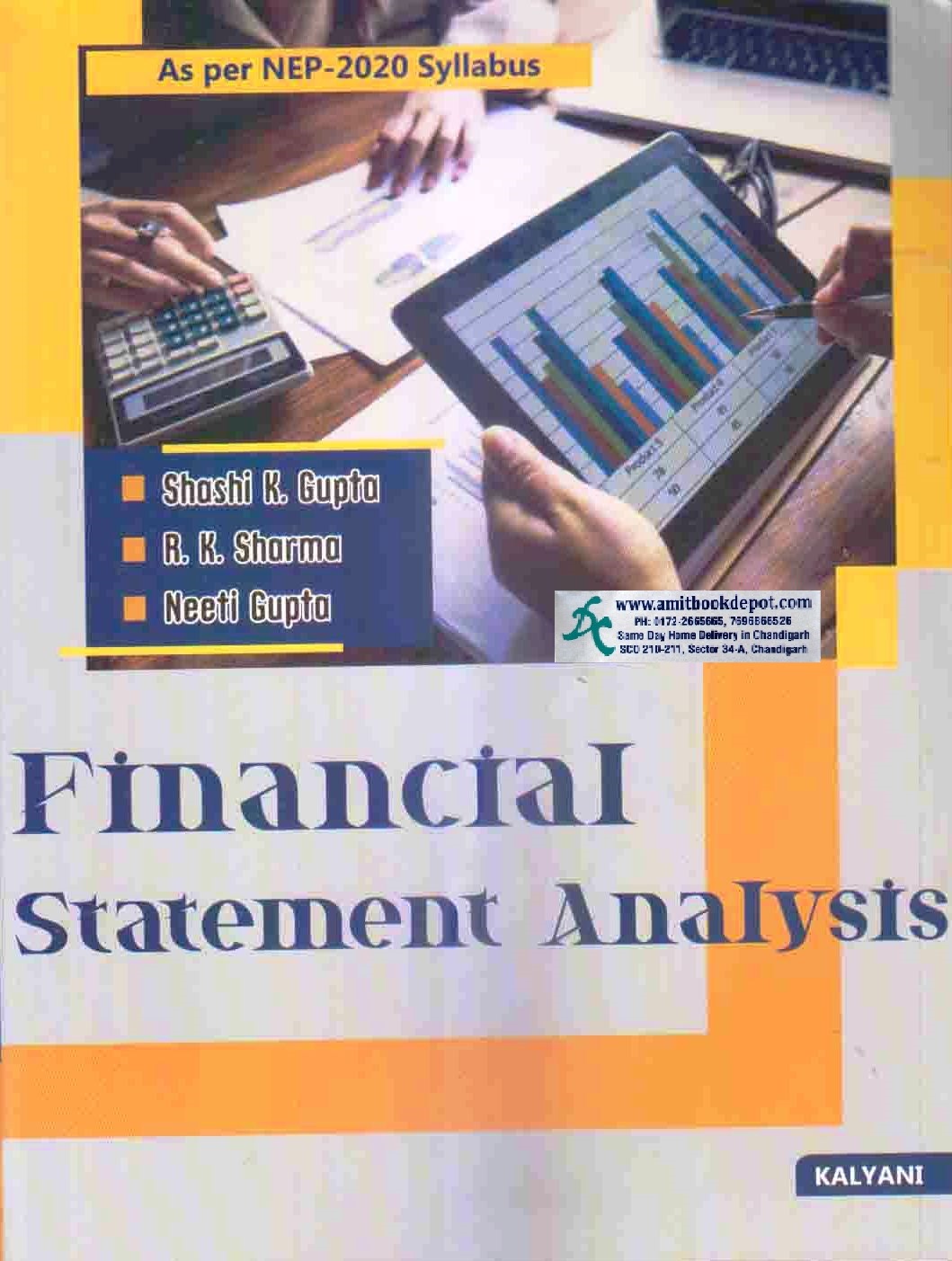
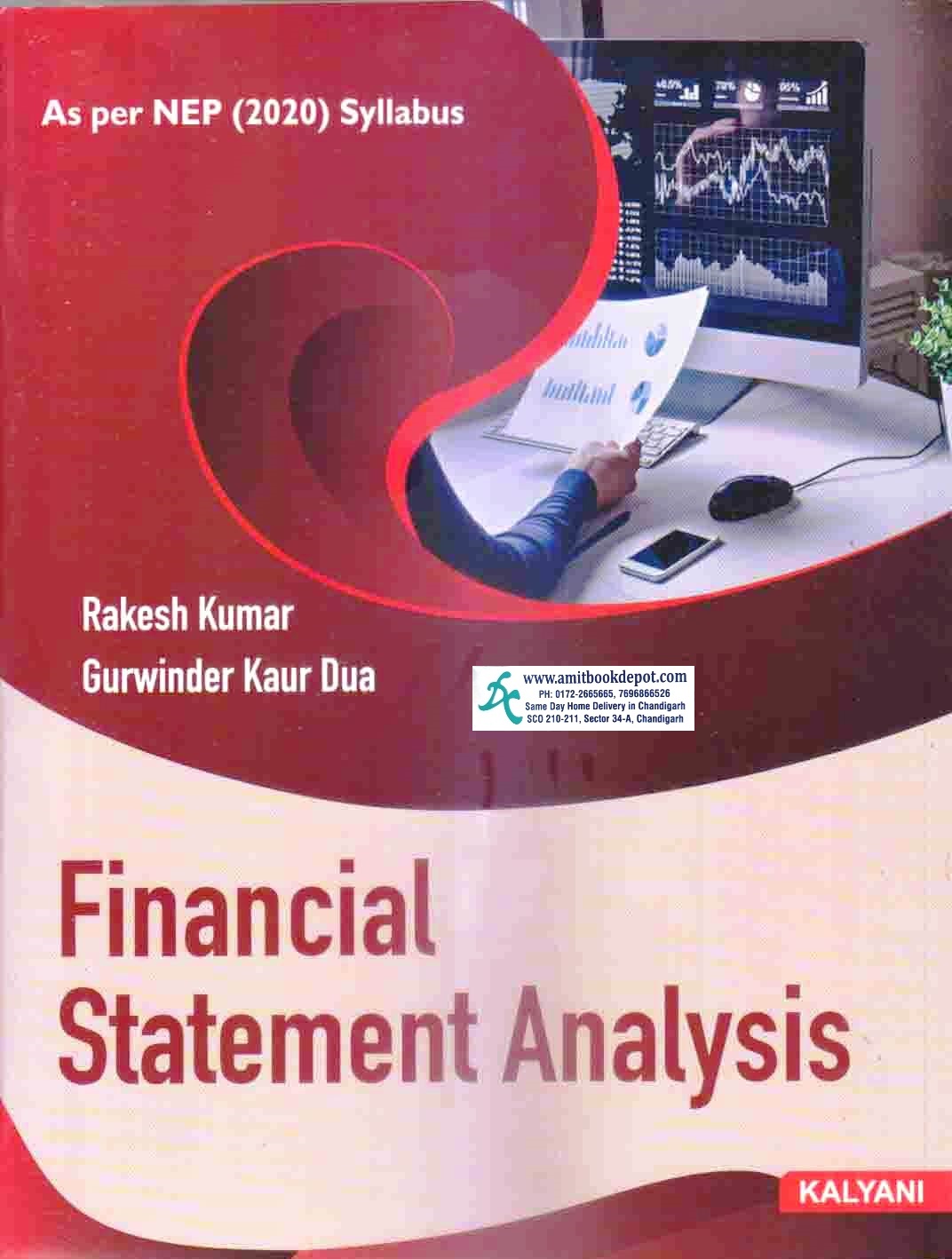
Yes, this textbook is meticulously crafted to provide 100% coverage of the latest prescribed syllabus for the Financial Statement Analysis course (NBBA 203) for BBA 2nd Semester at PU Chandigarh.
Absolutely. Unit I provides a dedicated, step-by-step chapter on the preparation of Final Accounts, including the Statement of Profit and Loss and the Balance Sheet in the format applicable to a joint stock company.
The book is designed with a strong emphasis on numerical applications. It contains solved illustrations and practice problems that align with the university's instruction that all sections of the question paper must include numerical questions.
Yes, the book provides detailed explanations and practical examples for all key analytical tools, including Trend Analysis, Common Size Financial Statements, and Comparative Financial Statements, ensuring conceptual understanding.
Yes, it goes beyond simple calculation. A significant focus is placed on the interpretation and usability of various financial ratios, as outlined in the course outcomes, to enable informed decision-making.
Yes, the book includes a dedicated "Project Work" section to guide students in applying the theoretical concepts to a practical analysis project, as required by the course structure.
Yes, the book's structure, with its clear explanations and variety of problems, makes it an ideal resource for the 15 hours of tutorials, facilitating group discussions and interactive learning.
Certainly. The topics of Financial Statement Analysis, Ratio Analysis, and Cash Flow are universal in business education. This book provides a solid foundation that is applicable to many university curricula.
The content is organized to cater to all sections. Short-answer concepts cover Section A, while detailed theoretical and numerical chapters on Unit I and Unit II directly prepare students for Sections B and C, respectively.
Yes, the authors have used clear and concise language, avoiding unnecessary jargon, to make complex financial concepts accessible to students who are new to the subject.
No Description Added
Yes, this textbook is meticulously crafted to provide 100% coverage of the latest prescribed syllabus for the Financial Statement Analysis course (NBBA 203) for BBA 2nd Semester at PU Chandigarh.
Absolutely. Unit I provides a dedicated, step-by-step chapter on the preparation of Final Accounts, including the Statement of Profit and Loss and the Balance Sheet in the format applicable to a joint stock company.
The book is designed with a strong emphasis on numerical applications. It contains solved illustrations and practice problems that align with the university's instruction that all sections of the question paper must include numerical questions.
Yes, the book provides detailed explanations and practical examples for all key analytical tools, including Trend Analysis, Common Size Financial Statements, and Comparative Financial Statements, ensuring conceptual understanding.
Yes, it goes beyond simple calculation. A significant focus is placed on the interpretation and usability of various financial ratios, as outlined in the course outcomes, to enable informed decision-making.
Yes, the book includes a dedicated "Project Work" section to guide students in applying the theoretical concepts to a practical analysis project, as required by the course structure.
Yes, the book's structure, with its clear explanations and variety of problems, makes it an ideal resource for the 15 hours of tutorials, facilitating group discussions and interactive learning.
Certainly. The topics of Financial Statement Analysis, Ratio Analysis, and Cash Flow are universal in business education. This book provides a solid foundation that is applicable to many university curricula.
The content is organized to cater to all sections. Short-answer concepts cover Section A, while detailed theoretical and numerical chapters on Unit I and Unit II directly prepare students for Sections B and C, respectively.
Yes, the authors have used clear and concise language, avoiding unnecessary jargon, to make complex financial concepts accessible to students who are new to the subject.