-
Mon-Fri: 10AM to 8PM 01722665665
-
My Account
-
-
0
Total :
₹ 0.00

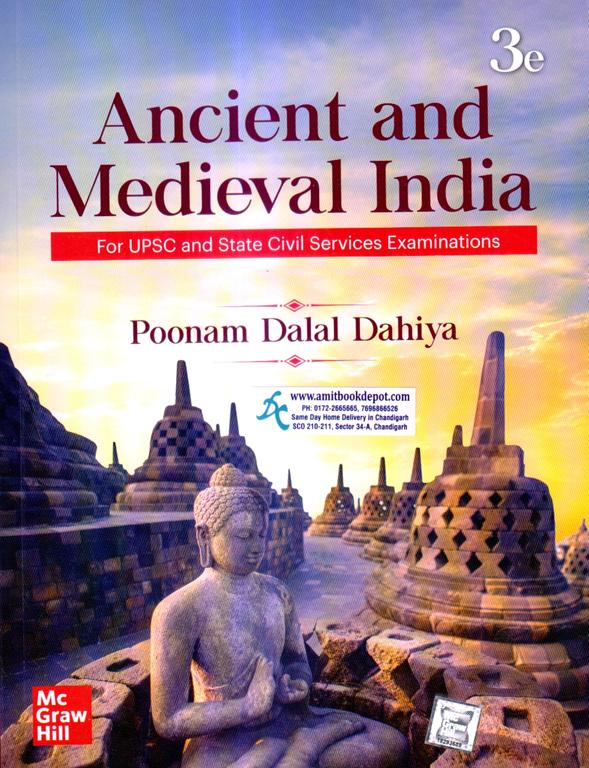
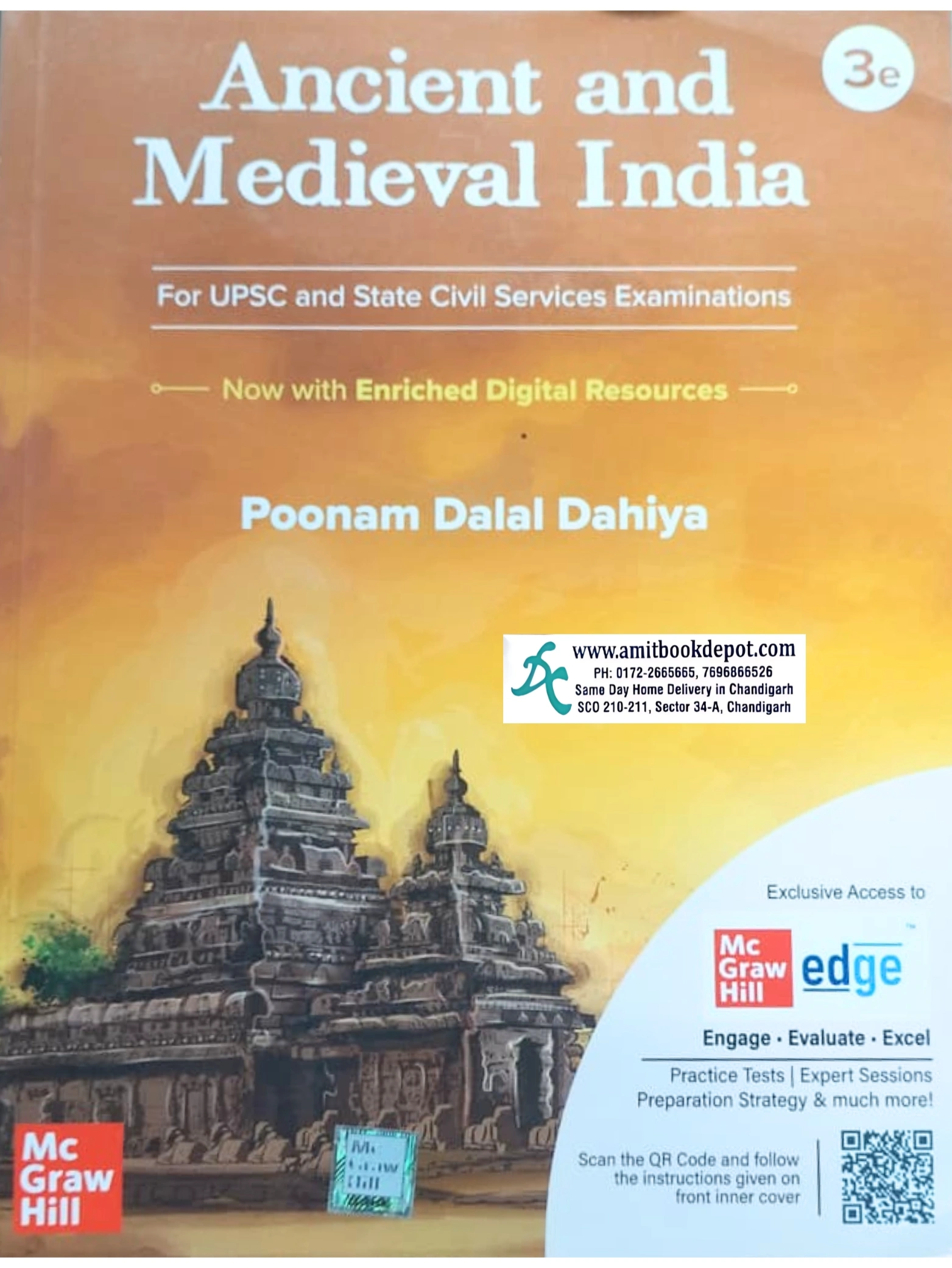


Yes, the book is written in a clear, structured manner that builds concepts from the ground up, making it ideal for beginners while providing the depth required for advanced learners.
Absolutely. It is comprehensively designed to address the static portion of history for both the objective-type Prelims and the descriptive-answer Main examination.
Yes, the book includes numerous maps, timelines, and tables to aid in the visual retention of geographical extents, chronological sequences, and comparative analysis of dynasties.
Yes, cultural developments, including art, architecture, literature, and religious movements like Bhakti and Sufism, are integrated within the political narrative, as per the exam requirements.
Yes, the medieval period is given extensive coverage with dedicated chapters on the Delhi Sultanate, Provincial Kingdoms, the Mughal Empire, and the Marathas.
It dedicates specific chapters to this period, explaining the age of regional configurations in a structured manner, covering major dynasties across India like the Pallavas, Cholas, Chalukyas, Rajputs, and others.
It follows a largely chronological approach for clarity, but within that, it discusses thematic aspects like administration, economy, society, and culture for each major period.
Yes, the final chapter is dedicated to the advent and initial settlements of European trading companies, setting the stage for modern history.
The language is academic yet accessible, avoiding unnecessary jargon, which makes it suitable for long study sessions without compromising on factual accuracy.
It is highly useful as the core historical content is similar. Aspirants can focus on chapters most relevant to their specific state syllabus, using the book as a strong base.
No Description Added
Yes, the book is written in a clear, structured manner that builds concepts from the ground up, making it ideal for beginners while providing the depth required for advanced learners.
Absolutely. It is comprehensively designed to address the static portion of history for both the objective-type Prelims and the descriptive-answer Main examination.
Yes, the book includes numerous maps, timelines, and tables to aid in the visual retention of geographical extents, chronological sequences, and comparative analysis of dynasties.
Yes, cultural developments, including art, architecture, literature, and religious movements like Bhakti and Sufism, are integrated within the political narrative, as per the exam requirements.
Yes, the medieval period is given extensive coverage with dedicated chapters on the Delhi Sultanate, Provincial Kingdoms, the Mughal Empire, and the Marathas.
It dedicates specific chapters to this period, explaining the age of regional configurations in a structured manner, covering major dynasties across India like the Pallavas, Cholas, Chalukyas, Rajputs, and others.
It follows a largely chronological approach for clarity, but within that, it discusses thematic aspects like administration, economy, society, and culture for each major period.
Yes, the final chapter is dedicated to the advent and initial settlements of European trading companies, setting the stage for modern history.
The language is academic yet accessible, avoiding unnecessary jargon, which makes it suitable for long study sessions without compromising on factual accuracy.
It is highly useful as the core historical content is similar. Aspirants can focus on chapters most relevant to their specific state syllabus, using the book as a strong base.