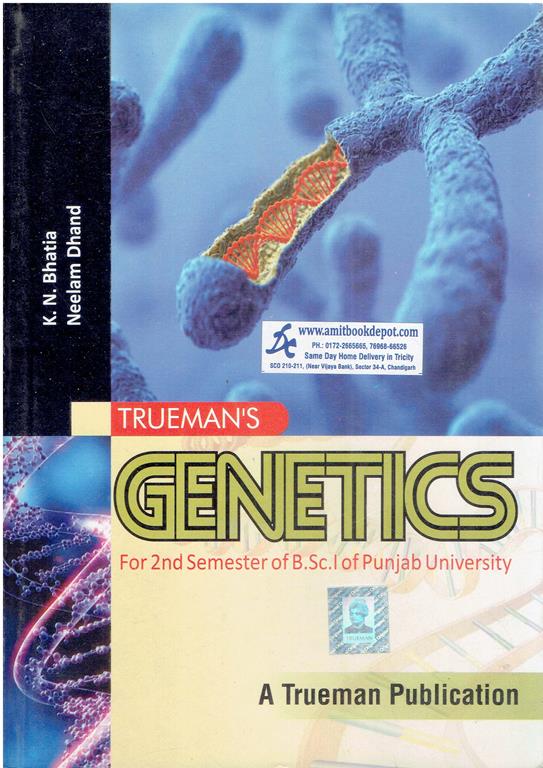
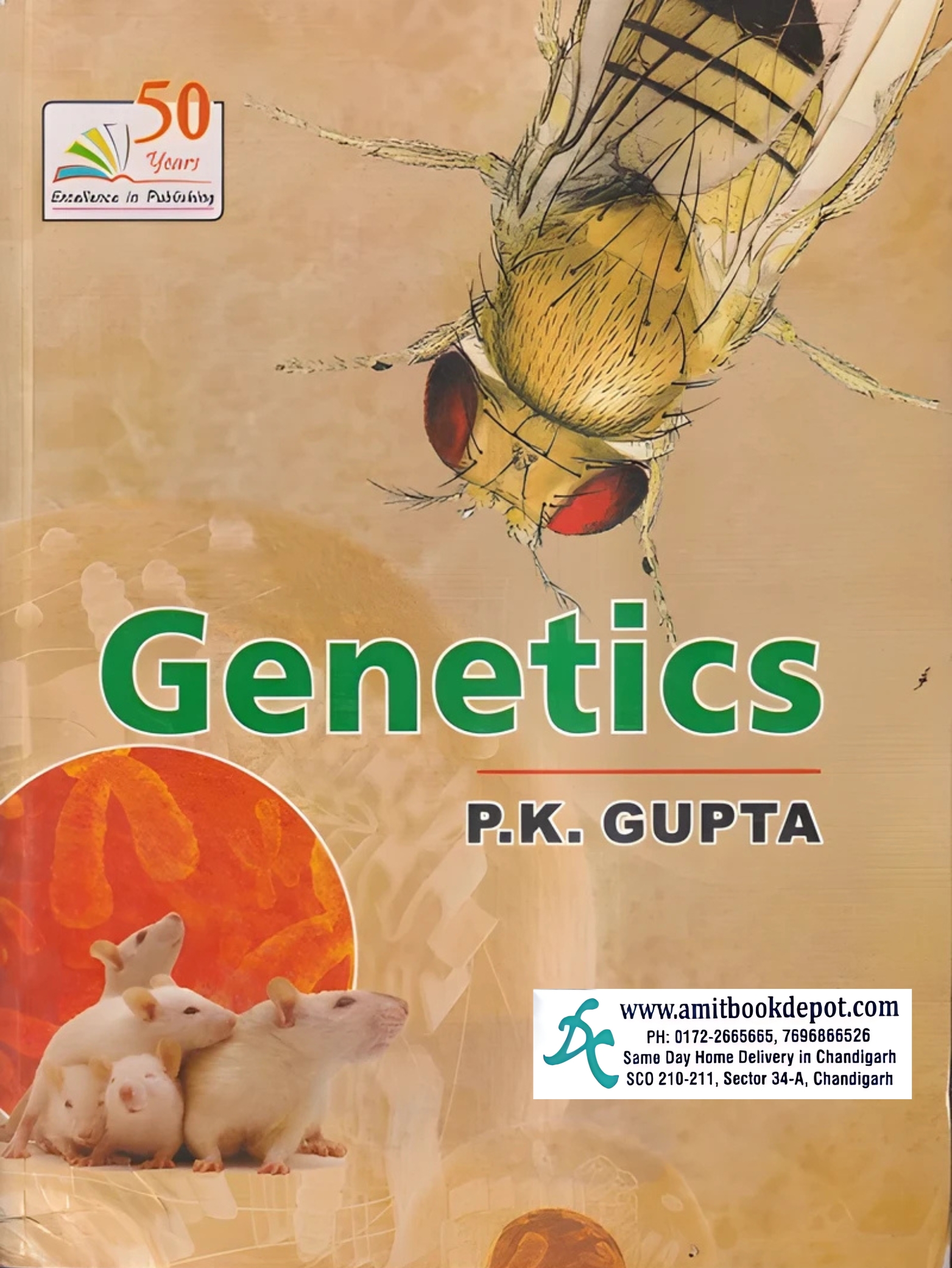
This edition has been significantly updated with expanded chapters on Epigenetics, Omics Technologies (Genomics, Proteomics, etc.), Synthetic Genomics, CRISPR-based applications (within relevant chapters), and advanced Bioinformatics tools, aligning the content with current research trends.
Yes, the principles and applications of modern gene-editing techniques are discussed within relevant chapters, such as Gene Transfer Methods, Transgenic Organisms, and Mutations.
Absolutely. A dedicated chapter on Epigenetics and Epigenomics is included, and epigenetic mechanisms are also discussed in chapters on Gene Regulation, Chromatin Remodeling, and Development, showing their integration with traditional genetic concepts.
Yes. Specific chapters cover Recombinant DNA Technology, Cloning, PCR, Microarrays, and DNA-Based Molecular Markers in detail, bridging theory with laboratory applications.
The book provides dedicated and detailed chapters on RNA Processing (splicing, editing), and a multi-part series on Regulation of Gene Expression in both prokaryotes and eukaryotes, breaking down these complex topics systematically.
Yes, there is a full chapter on Maternal Effects and Cytoplasmic Inheritance, and plant-based examples are used throughout chapters on Quantitative Genetics, Transgenics, and Organelle Genomes.
Yes, the chapters on Population and Evolutionary Genetics and Inbreeding Depression and Heterosis provide a solid conceptual foundation that is frequently tested in postgraduate and competitive examinations.
This is a key strength. A sequence of chapters (28-31) is dedicated to the Organization of Genetic Material, covering Genome Size, Repetitive DNA, Split Genes, Pseudogenes, and Organelle Genomes comprehensively.
The book is known for its illustrative support, containing clear diagrams, tables, and figures to explain complex processes such as Cell Division, Recombination, Operon Circuits, and Molecular Pathways.
While the core content is descriptive and explanatory, the logical flow and clear definitions inherently aid in concept building. For a question bank, students are often advised to consult separate companion guides or previous years' papers, as this volume focuses on comprehensive theory.
No Description Added
This edition has been significantly updated with expanded chapters on Epigenetics, Omics Technologies (Genomics, Proteomics, etc.), Synthetic Genomics, CRISPR-based applications (within relevant chapters), and advanced Bioinformatics tools, aligning the content with current research trends.
Yes, the principles and applications of modern gene-editing techniques are discussed within relevant chapters, such as Gene Transfer Methods, Transgenic Organisms, and Mutations.
Absolutely. A dedicated chapter on Epigenetics and Epigenomics is included, and epigenetic mechanisms are also discussed in chapters on Gene Regulation, Chromatin Remodeling, and Development, showing their integration with traditional genetic concepts.
Yes. Specific chapters cover Recombinant DNA Technology, Cloning, PCR, Microarrays, and DNA-Based Molecular Markers in detail, bridging theory with laboratory applications.
The book provides dedicated and detailed chapters on RNA Processing (splicing, editing), and a multi-part series on Regulation of Gene Expression in both prokaryotes and eukaryotes, breaking down these complex topics systematically.
Yes, there is a full chapter on Maternal Effects and Cytoplasmic Inheritance, and plant-based examples are used throughout chapters on Quantitative Genetics, Transgenics, and Organelle Genomes.
Yes, the chapters on Population and Evolutionary Genetics and Inbreeding Depression and Heterosis provide a solid conceptual foundation that is frequently tested in postgraduate and competitive examinations.
This is a key strength. A sequence of chapters (28-31) is dedicated to the Organization of Genetic Material, covering Genome Size, Repetitive DNA, Split Genes, Pseudogenes, and Organelle Genomes comprehensively.
The book is known for its illustrative support, containing clear diagrams, tables, and figures to explain complex processes such as Cell Division, Recombination, Operon Circuits, and Molecular Pathways.
While the core content is descriptive and explanatory, the logical flow and clear definitions inherently aid in concept building. For a question bank, students are often advised to consult separate companion guides or previous years' papers, as this volume focuses on comprehensive theory.