-
Mon-Fri: 10AM to 8PM 01722665665
-
My Account
-
-
0
Total :
₹ 0.00

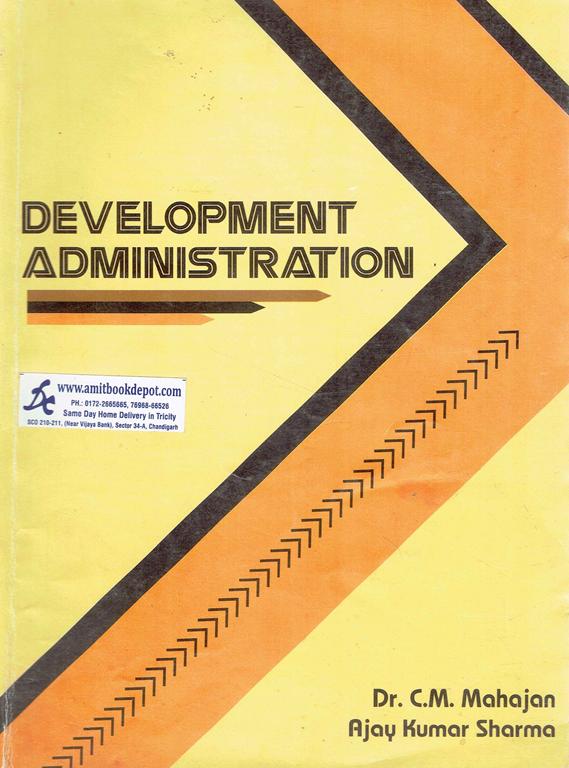


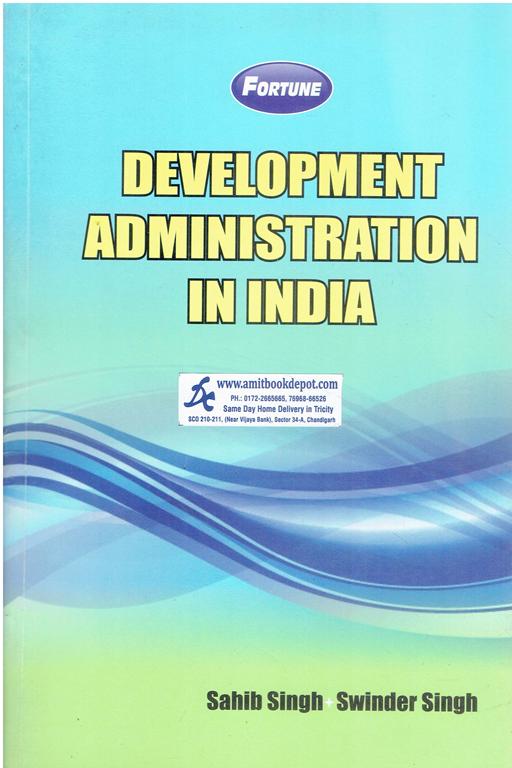
The book covers core themes such as the concept and dimensions of development, sustainable development, development administration, planning at various levels, public enterprises, rural development, education, health, and the role of voluntary sectors in development.
Yes, the book discusses public enterprise reforms since 1991, including privatization, providing insights into the post-liberalization economic reforms in India.
Absolutely. The book explores the significant role of NGOs and voluntary organizations in complementing government efforts in development.
Yes, it provides a detailed analysis of planning machinery at the central, state, and local levels, essential for understanding policy implementation in India.
Yes, it critically examines the managerial problems, performance issues, and future reforms of public enterprises.
Yes, it discusses the role of education and health sectors, including the role of government and administrative challenges in these vital areas.
Because it combines theoretical concepts, policy analysis, reforms, sector-specific administration, and practical insights, making it a definitive guide for students, scholars, and practitioners.
It details the importance, core components, and the paradigm shift towards sustainability in development, emphasizing environmental and social considerations.
It examines the concept of the welfare state, India's journey as a welfare state, and its implications for development policies.
The book provides a comparative analysis highlighting the differences and similarities in development patterns, institutional frameworks, and challenges.
No Description Added
The book covers core themes such as the concept and dimensions of development, sustainable development, development administration, planning at various levels, public enterprises, rural development, education, health, and the role of voluntary sectors in development.
Yes, the book discusses public enterprise reforms since 1991, including privatization, providing insights into the post-liberalization economic reforms in India.
Absolutely. The book explores the significant role of NGOs and voluntary organizations in complementing government efforts in development.
Yes, it provides a detailed analysis of planning machinery at the central, state, and local levels, essential for understanding policy implementation in India.
Yes, it critically examines the managerial problems, performance issues, and future reforms of public enterprises.
Yes, it discusses the role of education and health sectors, including the role of government and administrative challenges in these vital areas.
Because it combines theoretical concepts, policy analysis, reforms, sector-specific administration, and practical insights, making it a definitive guide for students, scholars, and practitioners.
It details the importance, core components, and the paradigm shift towards sustainability in development, emphasizing environmental and social considerations.
It examines the concept of the welfare state, India's journey as a welfare state, and its implications for development policies.
The book provides a comparative analysis highlighting the differences and similarities in development patterns, institutional frameworks, and challenges.