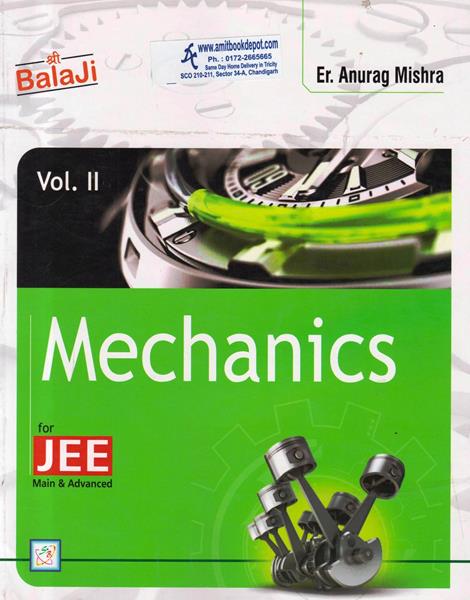
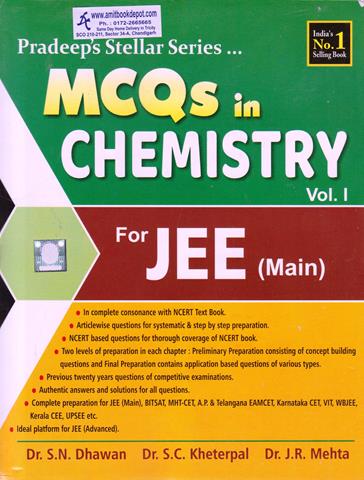
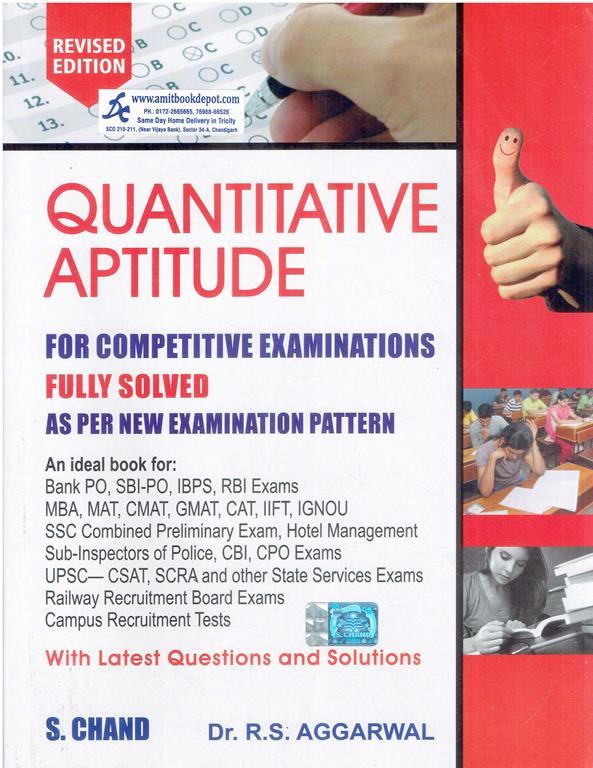
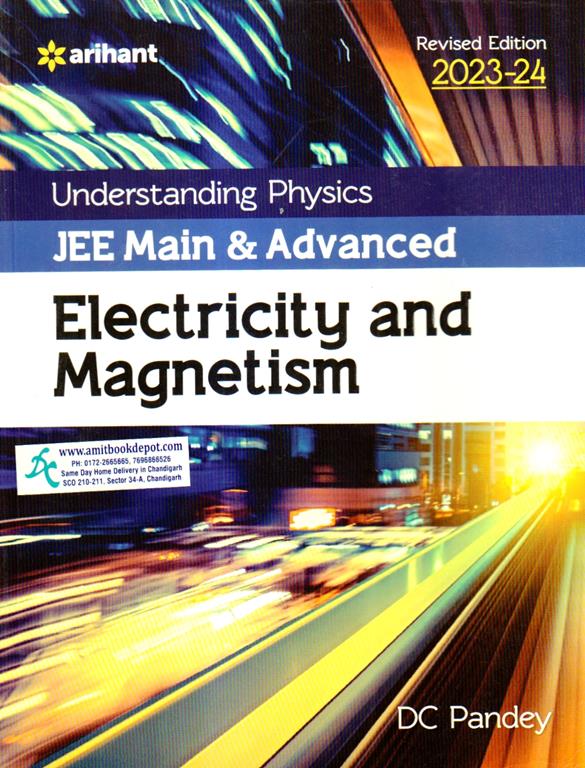
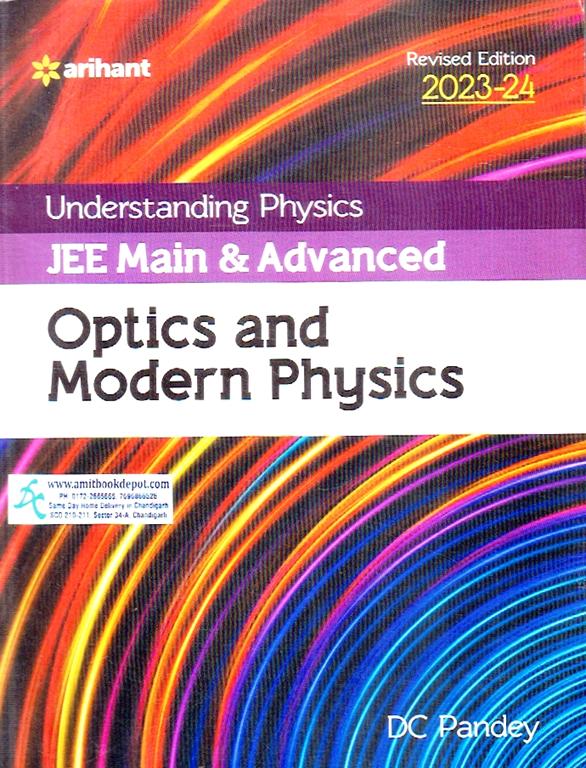
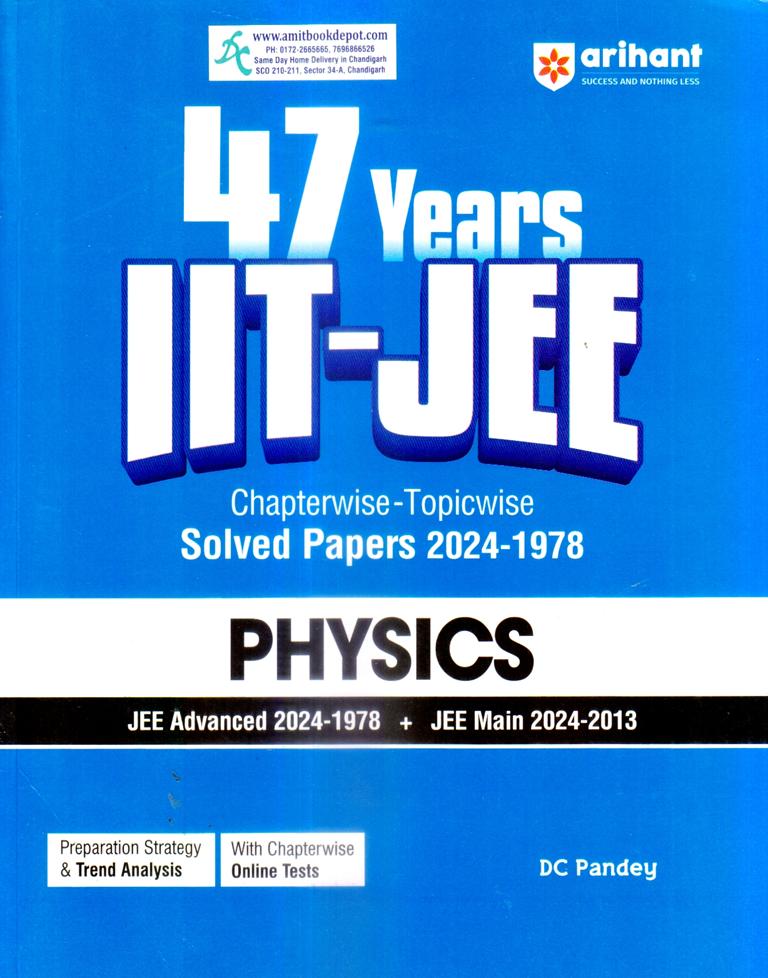
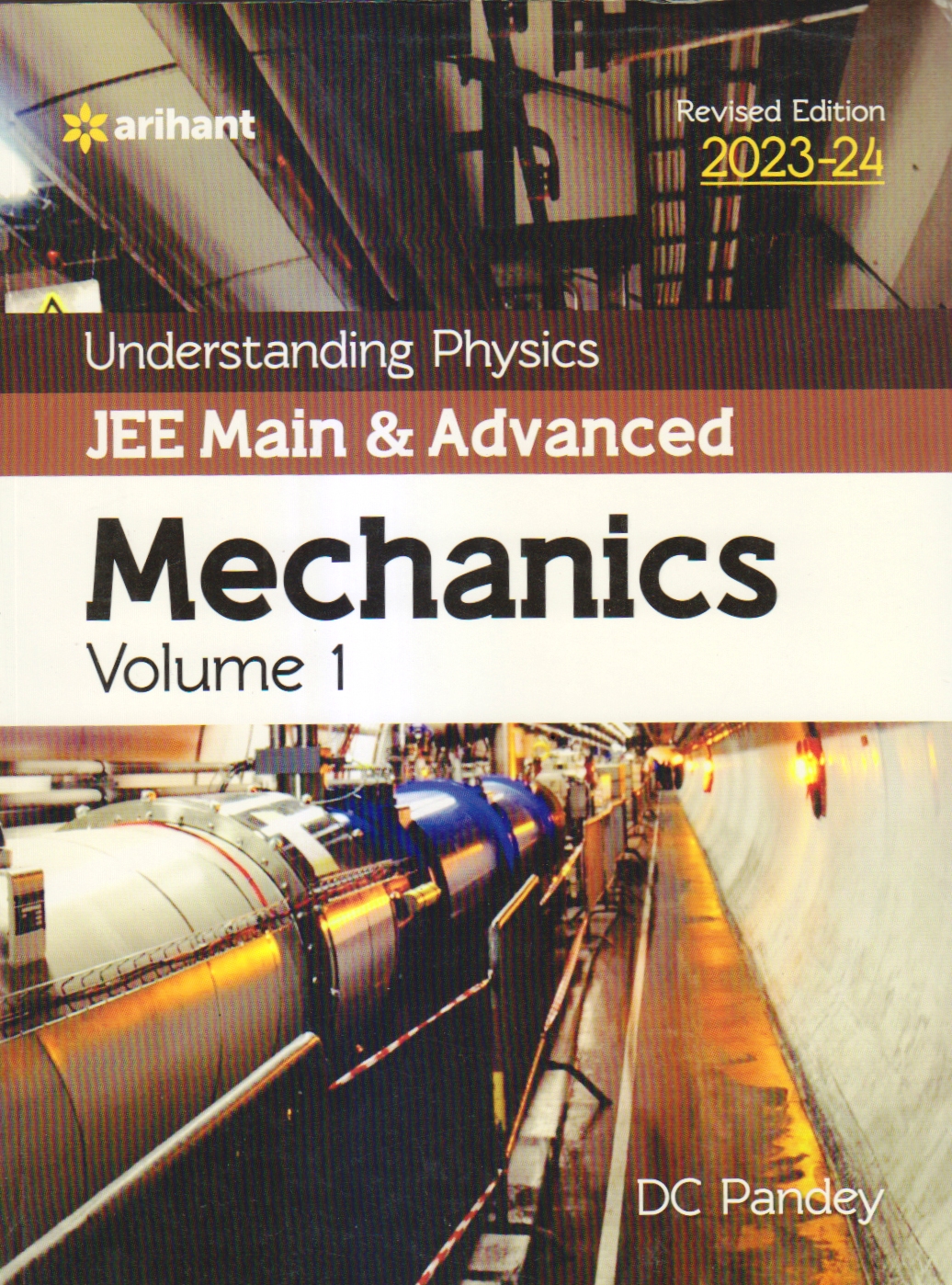
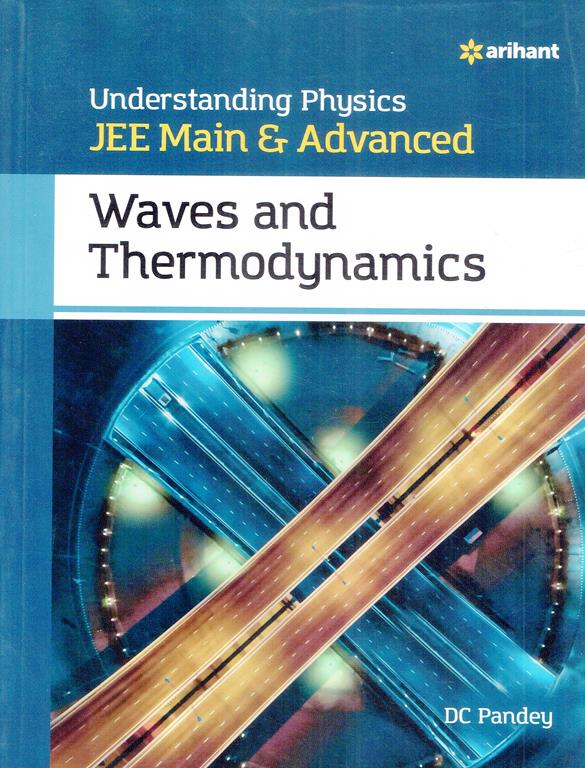
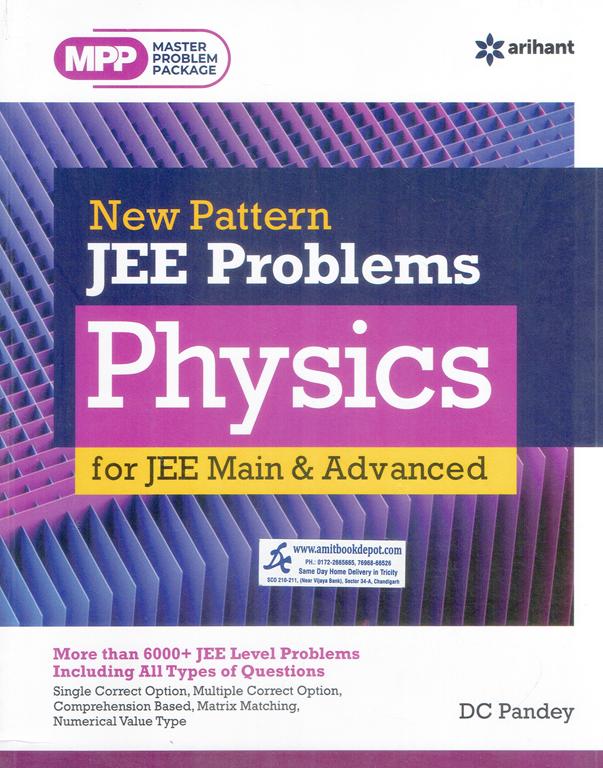
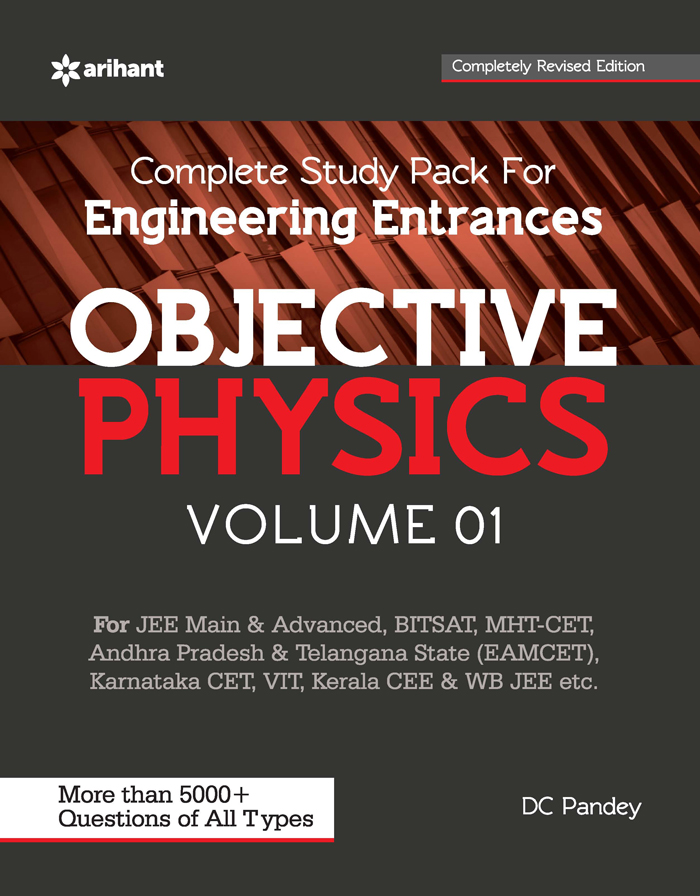
Yes, it is specifically designed to cover the syllabus and question patterns of both JEE Main and the more challenging JEE Advanced.
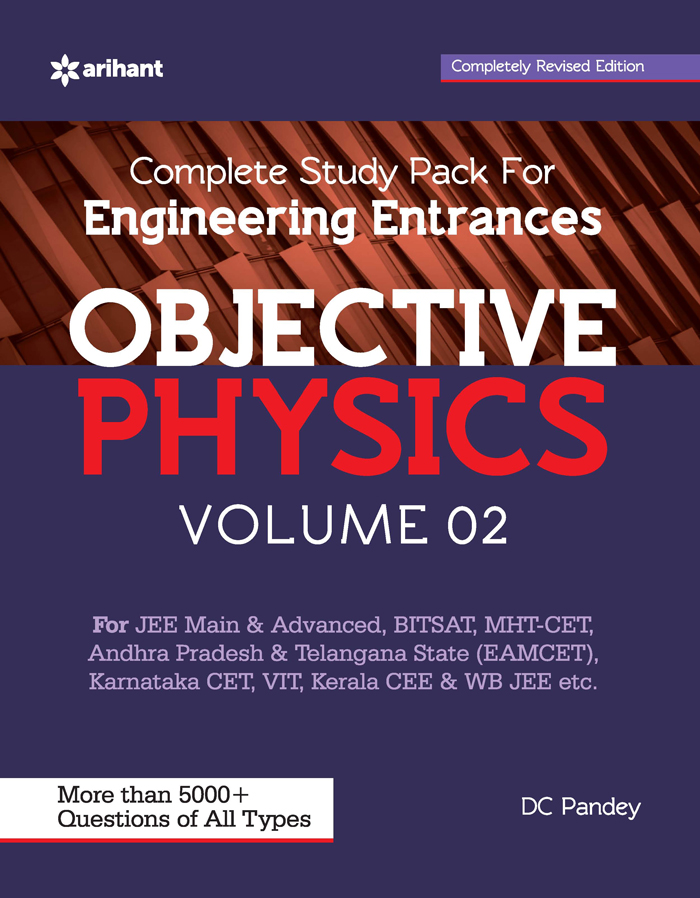
No, this is Volume 2. It covers four advanced topics: SHM, Wave Motion, Solids & Fluids, and Gravitation. You will need Volume 1 for other mechanics topics like kinematics, laws of motion, and rotation.
Problems are strategically graded into three levels: Level 1 for fundamentals, Level 2 for advanced application, and Level 3 (Comprehension, Matching, Assertion-Reason) for JEE Advanced-level challenge.
The theory starts from foundational concepts but progresses to an advanced level quickly. It is best suited for students who have completed their initial class 11/12 mechanics coursework.
Yes, it includes a dedicated section on the "Doppler Effect in Case of Light," which is an important topic for JEE Advanced.
No, this volume is strictly focused on the four mechanics topics mentioned. Optics, modern physics, etc., are covered in other books by the same author/publisher.
Absolutely. The depth of concepts and problems makes it highly beneficial for exams like BITSAT, VITEEE, and other state-level engineering entrance tests.
It comprehensively covers Elasticity, Fluid Statics (Pressure, Buoyancy), Fluid Dynamics (Bernoulli, Viscosity), and Surface Tension in a logically flowing manner.
While primarily a concept and problem book, the solved examples and solution approaches implicitly teach effective problem-solving strategies and shortcuts.
It is a very comprehensive resource and can be used as a primary study material. Many students find it sufficient, though it may be complemented with classroom teaching or practice tests.
No Description Added
Yes, it is specifically designed to cover the syllabus and question patterns of both JEE Main and the more challenging JEE Advanced.
No, this is Volume 2. It covers four advanced topics: SHM, Wave Motion, Solids & Fluids, and Gravitation. You will need Volume 1 for other mechanics topics like kinematics, laws of motion, and rotation.
Problems are strategically graded into three levels: Level 1 for fundamentals, Level 2 for advanced application, and Level 3 (Comprehension, Matching, Assertion-Reason) for JEE Advanced-level challenge.
The theory starts from foundational concepts but progresses to an advanced level quickly. It is best suited for students who have completed their initial class 11/12 mechanics coursework.
Yes, it includes a dedicated section on the "Doppler Effect in Case of Light," which is an important topic for JEE Advanced.
No, this volume is strictly focused on the four mechanics topics mentioned. Optics, modern physics, etc., are covered in other books by the same author/publisher.
Absolutely. The depth of concepts and problems makes it highly beneficial for exams like BITSAT, VITEEE, and other state-level engineering entrance tests.
It comprehensively covers Elasticity, Fluid Statics (Pressure, Buoyancy), Fluid Dynamics (Bernoulli, Viscosity), and Surface Tension in a logically flowing manner.
While primarily a concept and problem book, the solved examples and solution approaches implicitly teach effective problem-solving strategies and shortcuts.
It is a very comprehensive resource and can be used as a primary study material. Many students find it sufficient, though it may be complemented with classroom teaching or practice tests.