Categories
College Bookssss >
BA PU Chandigarh
BSC PU Chandigarh
MSC PU Chandigarh
BBA PU Chandigarh
MA PU Chandigarh
Medical Books
Engineering Books
Management Books
PGDCA Books
BCOM PU Chandigarh
MCOM PU Chandigarh
BCA PU Chandigarh
MCA PU Chandigarh
animate-books

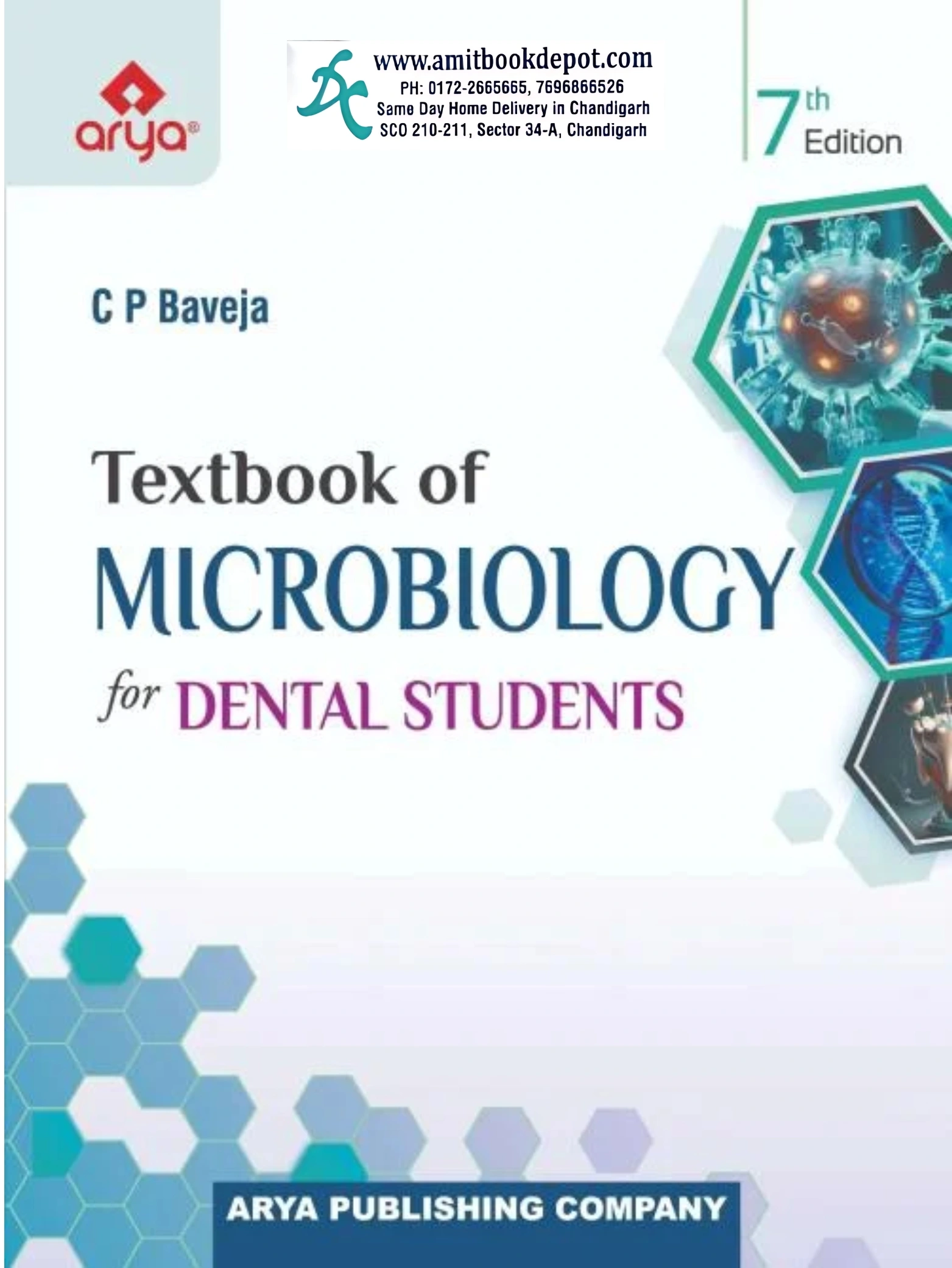
Textbook of Microbiology for BDS 7th Edition

by Madhurima
₹722 ₹850.00(-/ off)

Rating & Reviews

23 Customer Review

The book of Microbiology for BDS, 7th Edition, by Dr C. P. Baveja, is the complete guide for dental students. This updated edition covers general microbiology, immunology, and systemic bacteriology with a strong focus on oral and clinical microbiology. It includes essential topics like sterilisation, antimicrobial sensitivity, and healthcare infection control, making it an indispensable resource for exam success and clinical practice.

Have Doubts Regarding This Product ? Ask Your Question

  • Q1
    What is the primary focus of the oral microbiology chapter?
    A1

    It details the oral ecosystem, dental plaque formation, and the microbial etiology of dental caries and periodontal diseases.

  • Q2
    Which unit covers the principles of sterilisation and disinfection?
    A2

    Unit I: General Microbiology provides comprehensive coverage of sterilisation, disinfection, and infection control methods.

  • Q3
    How does the book address the challenge of antimicrobial resistance?
    A3

    It covers bacterial genetics and drug resistance in Unit I, plus antimicrobial sensitivity testing in the clinical section.

  • Q4
    What topics are covered under the immunology section regarding immune system disorders?
    A4

    The immunology unit includes dedicated chapters on hypersensitivity, autoimmunity, and various immunodeficiency diseases.

  • Q5
    Which chapter would a student refer to for the laboratory diagnosis of HIV?
    A5

    The chapter on Retroviruses: HIV within Unit IV: Virology details its pathogenesis and laboratory diagnosis.

  • Q6
    Does the book include practical guidance for microbiology laboratory work?
    A6

    Yes, Unit X: Practical Microbiology is dedicated to laboratory techniques and methods for specimen processing.

  • Q7
    Where can students find information on vaccines and immunisation schedules?
    A7

    The chapter on prophylactic immunisation in the clinical microbiology section provides this essential information.

  • Q8
    Which section covers the proper handling of contaminated waste from a dental clinic?
    A8

    The chapter on biomedical waste management within the clinical microbiology unit covers safe disposal protocols.

  • Q9
    Which chapters are most relevant for understanding infections caused by Mycobacterium tuberculosis?
    A9

    Unit III contains a dedicated chapter on Mycobacterium Tuberculosis covering its pathogenesis and diagnosis.

  • Q10
    How is the topic of medical mycology structured in this book?
    A10

    It is covered in a dedicated unit, providing systematic information on fungi responsible for human infections.

0.00

0 Overall Rating
  • 5
    0
  • 4
    0
  • 3
    0
  • 2
    0
  • 1
    0

Try this product & share your review & thoughts

UNIT I: GENERAL MICROBIOLOGY
1. Historical Introduction
2. Morphology of Bacteria
3. Growth and Nutrition of Bacteria
4. Sterilisation and Disinfection
5. Culture Media and Culture Methods
6. Selection, Collection, Transport, Processing of Specimens and Identification of Bacteria
7. Bacterial Genetics and Drug Resistance in Bacteria
8. Microbial Pathogenicity

UNIT II: IMMUNOLOGY
9. Immunity
10. Antigen
11. Antibodies — Immunoglobulins
12. Antigen-Antibody Reactions
13. Complement System
14. Structure and Functions of the Immune System
15. Immune Response
16. Hypersensitivity
17. Autoimmunity and Immunodeficiency Diseases
18. Transplantation and Tumour Immunity

UNIT III: SYSTEMIC BACTERIOLOGY
19. Staphylococcus
20. Streptococcus
21. Pneumococcus
22. Neisseria
23. Corynebacterium
24. Bacillus
25. Clostridium
26. Nonsporing Anaerobes
27. Enterobacteriaceae
28. Shigella
29. Salmonella
30. Vibrio
31. Campylobacter, Helicobacter, Mobiluncus
32. Pseudomonas, Stenotrophomonas, Burkholderia
33. Yersinia
34. Legionella
35. Haemophilus
36. Bordetella
37. Brucella
38. Mycobacterium Tuberculosis
39. Non-Tuberculous Mycobacteria
40. Mycobacterium Leprae
41. Spirochaetes
42. Mycoplasma and Ureaplasma
43. Actinomycetes
44. Miscellaneous Bacteria
45. Rickettsia, Orientia, Coxiella, Ehrlichia
46. Chlamydia and Chlamydophila

UNIT IV: VIROLOGY
47. General Properties of Viruses
48. DNA Viruses
49. RNA Viruses
50. Hepatitis Viruses
51. Retroviruses: HIV
52. Bacteriophage

UNIT V: MYCOLOGY
53. Medical Mycology

UNIT VI: PARASITOLOGY
54. Medical Parasitology

UNIT VII: ORAL MICROBIOLOGY
55. Oral Microbiology

UNIT VIII: CLINICAL MICROBIOLOGY
56. Infective Syndromes: Laboratory Diagnosis
57. Antimicrobial Therapy
58. Antimicrobial Sensitivity Testing
59. Immunohaematology
60. Healthcare-Associated Infection
61. Hand Hygiene
62. Biomedical Waste Management
63. Prophylactic Immunisation

UNIT IX: MICROBIOLOGY AT A GLANCE
64. Essentials of Microbiology at a Glance

UNIT X: PRACTICAL MICROBIOLOGY
65. Practical Microbiology

Index

The book of Microbiology for BDS (7th Edition) by Dr C. P. Baveja stands as the definitive and most trusted resource for undergraduate dental students seeking a robust and clinically relevant understanding of microbiology. Published by Arya Publishing Company, this extensively revised 7th edition continues its legacy of providing a student-friendly approach, meticulously tailored to meet the requirements of the Bachelor of Dental Surgery (BDS) curriculum. It serves as a comprehensive guide, seamlessly bridging the gap between basic microbiological principles and their critical application in dental and medical practice.

This edition is systematically organised into ten distinct units, guiding the reader from fundamental concepts to advanced clinical applications. The journey begins with Unit I: General Microbiology, which establishes a strong foundation. This section covers the essential topics of bacterial morphology, growth, nutrition, and the critical principles of sterilisation and disinfection. Students will gain in-depth knowledge of culture media and methods, as well as the intricacies of bacterial genetics and drug resistance—a topic of paramount importance in modern medicine.

The text then progresses to Unit II: Immunology, offering a clear and detailed exploration of the immune system. Chapters on antigens, antibodies, antigen-antibody reactions, and the complement system lay the groundwork for understanding complex concepts such as hypersensitivity, autoimmunity, immunodeficiency, and the principles of transplantation and tumour immunity. This unit is crucial for appreciating the body’s defence mechanisms against microbial challenges.

Unit III: Systemic Bacteriology forms the core of the book, providing an exhaustive, chapter-wise analysis of pathogenic bacteria. From common pathogens like Staphylococcus, Streptococcus, and Enterobacteriaceae to more specialised genera such as Mycobacterium, Spirochaetes, and Chlamydia, each chapter is structured to deliver key details on morphology, pathogenesis, and laboratory diagnosis. The subsequent units on virology, mycology, and parasitology follow a similar systematic approach, ensuring comprehensive coverage of all microbial agents.

A standout feature of this edition is its enhanced focus on oral microbiology (Unit VII) and clinical microbiology (Unit VIII). The dedicated chapter on oral microbiology explores the unique oral ecosystem, dental plaque, and the role of microorganisms in dental caries and periodontal diseases. The clinical section is invaluable, covering the laboratory diagnosis of infective syndromes, antimicrobial therapy, and antimicrobial sensitivity testing to guide effective treatment. It also addresses critical practical aspects of clinical practice, including healthcare-associated infection control, hand hygiene protocols, and the safe management of biomedical waste. A chapter on prophylactic immunisation provides essential knowledge on vaccine-preventable diseases.

The book concludes with a unique "Microbiology at a Glance" section for rapid revision and a detailed Practical Microbiology section, making it an all-in-one resource. With its clear language, logical flow, and strong emphasis on the clinical and oral health relevance of microbiology, this 7th edition remains an indispensable companion for every BDS student, helping them excel in both university examinations and their future clinical careers.

UNIT I: GENERAL MICROBIOLOGY
1. Historical Introduction
2. Morphology of Bacteria
3. Growth and Nutrition of Bacteria
4. Sterilisation and Disinfection
5. Culture Media and Culture Methods
6. Selection, Collection, Transport, Processing of Specimens and Identification of Bacteria
7. Bacterial Genetics and Drug Resistance in Bacteria
8. Microbial Pathogenicity

UNIT II: IMMUNOLOGY
9. Immunity
10. Antigen
11. Antibodies — Immunoglobulins
12. Antigen-Antibody Reactions
13. Complement System
14. Structure and Functions of the Immune System
15. Immune Response
16. Hypersensitivity
17. Autoimmunity and Immunodeficiency Diseases
18. Transplantation and Tumour Immunity

UNIT III: SYSTEMIC BACTERIOLOGY
19. Staphylococcus
20. Streptococcus
21. Pneumococcus
22. Neisseria
23. Corynebacterium
24. Bacillus
25. Clostridium
26. Nonsporing Anaerobes
27. Enterobacteriaceae
28. Shigella
29. Salmonella
30. Vibrio
31. Campylobacter, Helicobacter, Mobiluncus
32. Pseudomonas, Stenotrophomonas, Burkholderia
33. Yersinia
34. Legionella
35. Haemophilus
36. Bordetella
37. Brucella
38. Mycobacterium Tuberculosis
39. Non-Tuberculous Mycobacteria
40. Mycobacterium Leprae
41. Spirochaetes
42. Mycoplasma and Ureaplasma
43. Actinomycetes
44. Miscellaneous Bacteria
45. Rickettsia, Orientia, Coxiella, Ehrlichia
46. Chlamydia and Chlamydophila

UNIT IV: VIROLOGY
47. General Properties of Viruses
48. DNA Viruses
49. RNA Viruses
50. Hepatitis Viruses
51. Retroviruses: HIV
52. Bacteriophage

UNIT V: MYCOLOGY
53. Medical Mycology

UNIT VI: PARASITOLOGY
54. Medical Parasitology

UNIT VII: ORAL MICROBIOLOGY
55. Oral Microbiology

UNIT VIII: CLINICAL MICROBIOLOGY
56. Infective Syndromes: Laboratory Diagnosis
57. Antimicrobial Therapy
58. Antimicrobial Sensitivity Testing
59. Immunohaematology
60. Healthcare-Associated Infection
61. Hand Hygiene
62. Biomedical Waste Management
63. Prophylactic Immunisation

UNIT IX: MICROBIOLOGY AT A GLANCE
64. Essentials of Microbiology at a Glance

UNIT X: PRACTICAL MICROBIOLOGY
65. Practical Microbiology

Index

Have Doubts Regarding This Product ? Ask Your Question

  • Q1
    What is the primary focus of the oral microbiology chapter?
    A1

    It details the oral ecosystem, dental plaque formation, and the microbial etiology of dental caries and periodontal diseases.

  • Q2
    Which unit covers the principles of sterilisation and disinfection?
    A2

    Unit I: General Microbiology provides comprehensive coverage of sterilisation, disinfection, and infection control methods.

  • Q3
    How does the book address the challenge of antimicrobial resistance?
    A3

    It covers bacterial genetics and drug resistance in Unit I, plus antimicrobial sensitivity testing in the clinical section.

  • Q4
    What topics are covered under the immunology section regarding immune system disorders?
    A4

    The immunology unit includes dedicated chapters on hypersensitivity, autoimmunity, and various immunodeficiency diseases.

  • Q5
    Which chapter would a student refer to for the laboratory diagnosis of HIV?
    A5

    The chapter on Retroviruses: HIV within Unit IV: Virology details its pathogenesis and laboratory diagnosis.

  • Q6
    Does the book include practical guidance for microbiology laboratory work?
    A6

    Yes, Unit X: Practical Microbiology is dedicated to laboratory techniques and methods for specimen processing.

  • Q7
    Where can students find information on vaccines and immunisation schedules?
    A7

    The chapter on prophylactic immunisation in the clinical microbiology section provides this essential information.

  • Q8
    Which section covers the proper handling of contaminated waste from a dental clinic?
    A8

    The chapter on biomedical waste management within the clinical microbiology unit covers safe disposal protocols.

  • Q9
    Which chapters are most relevant for understanding infections caused by Mycobacterium tuberculosis?
    A9

    Unit III contains a dedicated chapter on Mycobacterium Tuberculosis covering its pathogenesis and diagnosis.

  • Q10
    How is the topic of medical mycology structured in this book?
    A10

    It is covered in a dedicated unit, providing systematic information on fungi responsible for human infections.

No Syllabus Added

0.00

0 Overall Rating
  • 5
    0
  • 4
    0
  • 3
    0
  • 2
    0
  • 1
    0

Try this product & share your review & thoughts

Top Trending Product

Related Product

Related Product

Related Blog Posts

Latest Blogs

Latest Blogs

blog-img
Classic Literature Reimagined: Discuss modern twists on classic novels.
Lorem ipsum dolor sit amet, consectetur adipiscing elit, sed do eiusmod tempor incididunt ut labore et dolore magna aliqua. Ut enim ad minim veniam, quis nostrud exercitation ullamco Lorem ipsum dolor sit amet, consectetur adipiscing elit, sed do eiusmod tempor incididunt ut labore et dolore magna aliqua. Utenim ad minim veniam, quis nostrud exercitation ullamco Lorem ipsum dolor sit amet, consecte...
Read more
Author name | 10 jan, 2025
blog-img
Classic Literature Reimagined: Discuss modern twists on classic novels.
Lorem ipsum dolor sit amet, consectetur adipiscing elit, sed do eiusmod tempor incididunt ut labore et dolore magna aliqua. Ut enim ad minim veniam, quis nostrud exercitation ullamco Lorem ipsum dolor sit amet, consectetur adipiscing elit, sed do eiusmod tempor incididunt ut labore et dolore magna aliqua. Utenim ad minim veniam, quis nostrud exercitation ullamco Lorem ipsum dolor sit amet, consecte...
Read more
Author name | 10 jan, 2025
blog-img
Classic Literature Reimagined: Discuss modern twists on classic novels.
Lorem ipsum dolor sit amet, consectetur adipiscing elit, sed do eiusmod tempor incididunt ut labore et dolore magna aliqua. Ut enim ad minim veniam, quis nostrud exercitation ullamco Lorem ipsum dolor sit amet, consectetur adipiscing elit, sed do eiusmod tempor incididunt ut labore et dolore magna aliqua. Utenim ad minim veniam, quis nostrud exercitation ullamco Lorem ipsum dolor sit amet, consecte...
Read more
Author name | 10 jan, 2025
blog-img
Classic Literature Reimagined: Discuss modern twists on classic novels.
Lorem ipsum dolor sit amet, consectetur adipiscing elit...
Read more
Author Name | 10 Jan, 2025
blog-img
Classic Literature Reimagined: Discuss modern twists on classic novels.
Lorem ipsum dolor sit amet, consectetur adipiscing elit...
Read more
Author Name | 10 Jan, 2025
blog-img
Classic Literature Reimagined: Discuss modern twists on classic novels.
Lorem ipsum dolor sit amet, consectetur adipiscing elit...
Read more
Author Name | 10 Jan, 2025
blog-img
Classic Literature Reimagined: Discuss modern twists on classic novels.
Lorem ipsum dolor sit amet, consectetur adipiscing elit...
Read more
Author Name | 10 Jan, 2025
blog-img
Classic Literature Reimagined: Discuss modern twists on classic novels.
Lorem ipsum dolor sit amet, consectetur adipiscing elit...
Read more
Author Name | 10 Jan, 2025
blog-img
Classic Literature Reimagined: Discuss modern twists on classic novels.
Lorem ipsum dolor sit amet, consectetur adipiscing elit...
Read more
Author Name | 10 Jan, 2025
blog-img
Classic Literature Reimagined: Discuss modern twists on classic novels.
Lorem ipsum dolor sit amet, consectetur adipiscing elit...
Read more
Author Name | 10 Jan, 2025
blog-img
Classic Literature Reimagined: Discuss modern twists on classic novels.
Lorem ipsum dolor sit amet, consectetur adipiscing elit...
Read more
Author Name | 10 Jan, 2025
blog-img
Classic Literature Reimagined: Discuss modern twists on classic novels.
Lorem ipsum dolor sit amet, consectetur adipiscing elit...
Read more
Author Name | 10 Jan, 2025