Categories
College Bookssss >
BA PU Chandigarh
BSC PU Chandigarh
MSC PU Chandigarh
BBA PU Chandigarh
MA PU Chandigarh
Medical Books
Engineering Books
Management Books
PGDCA Books
BCOM PU Chandigarh
MCOM PU Chandigarh
BCA PU Chandigarh
MCA PU Chandigarh
animate-books

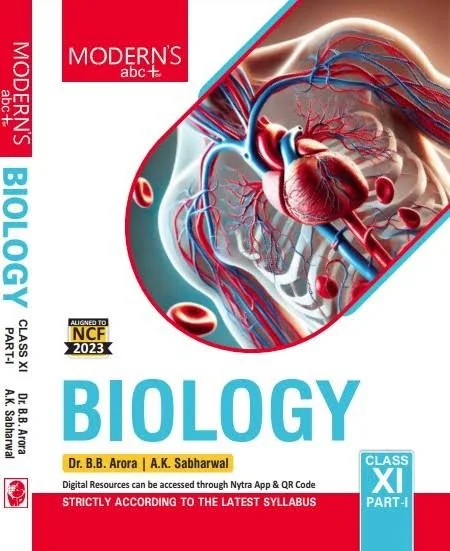
Modern ABC Biology for Class 11th (Set of Two Volumes)

by Madhurima
₹889 ₹990.00(-/ off)

Rating & Reviews

23 Customer Review

Modern ABC Biology for Class 11th (Set of Two Volumes) by Dr. B. B. Arora and A. K. Sabharwal is a comprehensive guide covering the entire Class 11 biology syllabus. Written in simple, lucid language, it features detailed explanations of key concepts from the living world to human physiology. The set is rich in illustrative diagrams, includes solved NCERT questions, and provides chapterwise previous year questions, making it an ideal resource for both board exams and competitive tests like NEET.

Have Doubts Regarding This Product ? Ask Your Question

  • Q1
    What are the main units covered in Modern ABC Biology for Class 11?
    A1

    It covers Diversity of Living Organisms, Structural Organization in Animals and Plants, Cell Structure and Function, Plant Physiology, and Human Physiology across two comprehensive volumes .

  • Q2
    Does the book help with preparation for competitive exams like NEET?
    A2

    Yes, it is highly recommended for NEET preparation as it includes previous years' competitive questions and in-depth theory aligned with the NCERT syllabus .

  • Q3
    What type of questions are included for practice?
    A3

    The book includes objective, very short answer, short answer, long answer questions, and HOTS questions for comprehensive practice of all difficulty levels .

  • Q4
    What does Unit 1 of the book cover?
    A4

    Unit 1 covers the Diversity of Living Organisms, including chapters on The Living World, Biological Classification, Plant Kingdom, and Animal Kingdom .

  • Q5
    What topics are included under Human Physiology in the book?
    A5

    It includes detailed chapters on breathing, blood circulation, excretion, locomotion, neural control, and chemical coordination in humans .

  • Q6
    How is the book's presentation beneficial for students?
    A6

    The subject matter is presented in a lucid style with simple language and is profusely illustrated with eye-catching diagrams for better comprehension .

  • Q7
    Why is this book considered a 'bible' for biology students?
    A7

    Its comprehensive content, inclusion of solved NCERT problems, and competitive exam preparation materials make it an indispensable all-in-one resource .

  • Q8
    What is covered in the Cell: Structure and Function unit?
    A8

    It covers the detailed structure and function of the cell, biomolecules, and the complete process of the cell cycle and cell division .

  • Q9
    What are the key topics in Plant Physiology in this book?
    A9

    The section covers crucial processes like photosynthesis, respiration in plants, and the mechanisms of plant growth and development .

  • Q10
    Which anatomical structures are covered in Structural Organization in Animals?
    A10

    It covers the morphology and anatomy of earthworms, cockroaches, and frogs, detailing their digestive, circulatory, and nervous systems .

0.00

0 Overall Rating
  • 5
    0
  • 4
    0
  • 3
    0
  • 2
    0
  • 1
    0

Try this product & share your review & thoughts

PART I

UNIT I: DIVERSITY OF LIVING ORGANISMS

1. The Living World
2. Biological Classification
3. Plant Kingdom
4. Animal Kingdom

UNIT II. STRUCTURAL ORGANIZATION IN ANIMALS AND PLANTS

5. Morphology of Flowering Plants
6. Anatomy of Flowering Plants
7. Structural Organization in Animals

UNIT III: CELL: STRUCTURE AND FUNCTION

8. Cell: The Unit of Life
9. Biomolecules
10. Cell Cycle and Cell Division

PART II

UNIT IV PLANT PHYSIOLOGY

11. Photosynthesis in Higher Plants
12. Respiration in Plants
13. Plant Growth and Development

UNIT V HUMAN PHYSIOLOGY

14. Breathing and Exchange of Gases
15. Body Fluids and Circulation
16. Excretory Products and Their Elimination
17. Locomotion and Movement
18. Neural Control and Coordination
19. Chemical Coordination and Integration

CBSE Syllabus NCERT Biology Textbook for Class 11th


I. Diversity in the Living World

What is living? Biodiversity: need for classification; three domains of life: taxonomy & systematics; concept of species and taxonomical hierarchy; binomial nomenclature; tools for the study of taxonomy—museums, zoos, herbaria, and botanical gardens.
Five-kingdom classification: salient features and classification of Monera, Protista, and Fungi into major groups: lichens, viruses, and viroids.
Salient features and classification of plants into major groups: algae, bryophytes, pteridophytes, gymnosperms, and angiosperms (three to five salient and distinguishing features and at least two examples of each category); angiosperms—classification up to class, characteristic features, and examples. Salient features and classification of animals—non-chordates up to the phyla level and chordates up to the class level (three to five salient features and at least two examples).

II. Structural Organization in Animals and Plants

Morphology and modifications; tissues; anatomy and functions of different parts of flowering plants: root, stem, leaf, inflorescence (cymose and racemose), flower, fruit, and seed (to be dealt with along with the relevant practical of the practical syllabus).
Animal tissues: Morphology, anatomy, and functions of different systems (digestive, circulatory, respiratory, nervous, and reproductive) of an insect (cockroach). (Brief account only)

III. Cell Structure and Function (Periods 40)

Cell theory and the cell as the basic unit of life; structure of prokaryotic and eukaryotic cells; plant cells and animal cells; cell envelope, cell membrane, and cell wall; Cell organelles—structure and function; endomembrane system: endoplasmic reticulum, Golgi bodies, lysosomes, and vacuoles; mitochondria, ribosomes, plastids, and microbodies; cytoskeleton, cilia, flagella, and centrioles (ultrastructure and function); nucleus—nuclear membrane, chromatin, and nucleolus.
Chemical constituents of living cells: Biomolecules—structure and function of proteins, carbohydrates, lipids, and nucleic acids; enzymes—types, properties, and enzyme action.
Cell division: cell cycle, mitosis, meiosis, and their significance.

IV. Plant Physiology

Transport in plants: Movement of water, gases, and nutrients; cell-to-cell transport—diffusion. facilitated diffusion, active transport; plant–water relations—imbibition, water potential, osmosis, plasmolysis; long-distance transport of water—absorption, apoplast, symplast, transpiration pull, root pressure, and guttation; transpiration—opening and closing of stomata; uptake and translocation of mineral nutrients—transport of food, phloem transport, mass flow hypothesis, diffusion of gases (brief mention).

Mineral nutrition: Essential minerals, macro- and micronutrients, and their role; deficiency symptoms: mineral toxicity; elementary idea of hydroponics as a method to study mineral nutrition; nitrogen metabolism—nitrogen cycle, biological nitrogen fixation.

Photosynthesis: Photosynthesis as a means of autotrophic nutrition. Where does photosynthesis take place? How many pigments are involved in photosynthesis (elementary idea)? Photochemical and biosynthetic phases of photosynthesis; cyclic and non-cyclic photophosphorylation; chemiosmotic hypothesis; photorespiration; C3 and C4 pathways; factors affecting photosynthesis.

Respiration: Exchange of gases; cellular respiration—glycolysis, fermentation (anaerobic), TCA cycle, and electron transport system (aerobic); energy relations—number of ATP molecules generated; amphipathic pathways; respiratory quotient.

Plant growth and development: seed germination; phases of plant growth and plant growth rate; Conditions of growth: differentiation, dedifferentiation, and redifferentiation. Sequence of developmental processes in a plant cell: growth regulators—auxin, gibberellin, cytokinin, ethylene, ABA; seed dormancy; vernalization; photoperiodism.

V. Human Physiology

Digestion and absorption: Alimentary canal and digestive glands; role of digestive enzymes and gastrointestinal hormones; peristalsis, digestion, absorption, and assimilation of proteins, carbohydrates, and fats; calorific value of proteins, carbohydrates, and fats (for box item not to be evaluated); egestion;
Nutritional and digestive disorders: PEM, indigestion, constipation, vomiting, jaundice, diarrhea.
Breathing and Respiration: Respiratory organs in animals (recall only); respiratory system in humans;

Mechanism of breathing and its regulation in humans—exchange of gases, transport of gases, and regulation of respiration, respiratory volumes, and disorders related to respiration—asthma, emphysema, and occupational respiratory disorders.
Body fluids and circulation: composition of blood, blood groups, coagulation of blood; composition of lymph and its function; human circulatory system—structure of the human heart and blood vessels; Cardiac cycle, cardiac output, ECG, double circulation, regulation of cardiac activity, disorders of the circulatory system: hypertension, coronary artery disease, angina pectoris, heart failure.

Excretory products and their elimination: Modes of excretion—ammonotelism, ureotelism, and uricotelism; human excretory system—structure and function; urine formation, osmoregulation, and regulation of kidney function—renin-angiotensin, atrial natriuretic factor, ADH, and diabetes insipidus; role of other organs in excretion; disorders—uremia, renal failure, renal calculi, and nephritis; dialysis and artificial kidney.
Locomotion and Movement: Types of movement—ciliary, flagellar, muscular; Skeletal muscle— contractile proteins and muscle contraction; skeletal system and its functions (To be dealt with in the relevant practical syllabus: joints; disorders of the muscular and skeletal system—myasthenia gravis, tetany, muscular dystrophy, arthritis, osteoporosis, and gout.
Neural control and coordination: neurons and nerves; nervous system in humans—central nervous system, peripheral nervous system, and visceral nervous system; generation and conduction of nerve impulses;
Reflex action; sensory perception; sense organs; elementary structure and function of the eye and ear. Chemical coordination and regulation: Endocrine glands and hormones; Human endocrine system: hypothalamus, pituitary, pineal, thyroid, parathyroid, adrenal, pancreas, gonads Mechanism of hormone action (elementary idea); role of hormones as messengers and regulators; hypo- and hyperactivity; and related disorders (common disorders, e.g., dwarfism, acromegaly, cretinism, goiter, exophthalmic goiter, diabetes, Addison’s disease)

Modern ABC Biology for Class 11th (Set of Two Volumes) by Dr. B. B. Arora and A. K. Sabharwal is a comprehensive and meticulously crafted book designed to provide students with a thorough understanding of biology according to the latest CBSE syllabus. This two-volume set serves as an indispensable resource for Class 11 students, whether they are preparing for their board examinations or aiming to crack highly competitive medical entrance exams like NEET, AIIMS, and JIPMER.

The book is structured to build a strong conceptual foundation, beginning with Unit I: Diversity of Living Organisms, which covers the living world, biological classification, the plant kingdom, and the animal kingdom. Unit II: Structural Organization in Animals and Plants delves into the morphology of flowering plants, the anatomy of flowering plants, and structural organization in animals. The third unit, Cell: Structure and Function, explores Cell: The Unit of Life, Biomolecules, and the Cell Cycle and Cell Division.

Part II of the set focuses on physiology with Unit IV: Plant Physiology, covering Photosynthesis in Higher Plants, Respiration in Plants, and Plant Growth and Development. Unit V: Human Physiology provides detailed explanations of Breathing and Exchange of Gases, Body Fluids and Circulation, Excretory Products and Their Elimination, Locomotion and Movement, Neural Control and Coordination, and Chemical Coordination and Integration. This clear division helps students systematically navigate the vast biology syllabus.

Key features of this book include the presentation of complex concepts in simple language with a lucid style, making it accessible and easy to understand. It is profusely illustrated with eye-catching, high-quality diagrams that aid in visual learning and comprehension of biological structures and processes. The set also includes a CD for supplementary learning. The content is strictly based on the NCERT curriculum, with a significant inclusion of solved NCERT exercise questions and NCERT exemplar problems. Furthermore, it includes chapterwise previous year competition questions, providing essential exam practice. Additional resources such as key terms, objective-type questions, very short answers, short answers, and long answers, along with Higher Order Thinking Skills (HOTS) questions, make it a complete package for mastering the subject.

Produced by the well-known Modern Publishers, this set has been a trusted resource for students across India, recognized for its ability to bridge the gap between book theory and the requirements of competitive exams.

PART I

UNIT I: DIVERSITY OF LIVING ORGANISMS

1. The Living World
2. Biological Classification
3. Plant Kingdom
4. Animal Kingdom

UNIT II. STRUCTURAL ORGANIZATION IN ANIMALS AND PLANTS

5. Morphology of Flowering Plants
6. Anatomy of Flowering Plants
7. Structural Organization in Animals

UNIT III: CELL: STRUCTURE AND FUNCTION

8. Cell: The Unit of Life
9. Biomolecules
10. Cell Cycle and Cell Division

PART II

UNIT IV PLANT PHYSIOLOGY

11. Photosynthesis in Higher Plants
12. Respiration in Plants
13. Plant Growth and Development

UNIT V HUMAN PHYSIOLOGY

14. Breathing and Exchange of Gases
15. Body Fluids and Circulation
16. Excretory Products and Their Elimination
17. Locomotion and Movement
18. Neural Control and Coordination
19. Chemical Coordination and Integration

Have Doubts Regarding This Product ? Ask Your Question

  • Q1
    What are the main units covered in Modern ABC Biology for Class 11?
    A1

    It covers Diversity of Living Organisms, Structural Organization in Animals and Plants, Cell Structure and Function, Plant Physiology, and Human Physiology across two comprehensive volumes .

  • Q2
    Does the book help with preparation for competitive exams like NEET?
    A2

    Yes, it is highly recommended for NEET preparation as it includes previous years' competitive questions and in-depth theory aligned with the NCERT syllabus .

  • Q3
    What type of questions are included for practice?
    A3

    The book includes objective, very short answer, short answer, long answer questions, and HOTS questions for comprehensive practice of all difficulty levels .

  • Q4
    What does Unit 1 of the book cover?
    A4

    Unit 1 covers the Diversity of Living Organisms, including chapters on The Living World, Biological Classification, Plant Kingdom, and Animal Kingdom .

  • Q5
    What topics are included under Human Physiology in the book?
    A5

    It includes detailed chapters on breathing, blood circulation, excretion, locomotion, neural control, and chemical coordination in humans .

  • Q6
    How is the book's presentation beneficial for students?
    A6

    The subject matter is presented in a lucid style with simple language and is profusely illustrated with eye-catching diagrams for better comprehension .

  • Q7
    Why is this book considered a 'bible' for biology students?
    A7

    Its comprehensive content, inclusion of solved NCERT problems, and competitive exam preparation materials make it an indispensable all-in-one resource .

  • Q8
    What is covered in the Cell: Structure and Function unit?
    A8

    It covers the detailed structure and function of the cell, biomolecules, and the complete process of the cell cycle and cell division .

  • Q9
    What are the key topics in Plant Physiology in this book?
    A9

    The section covers crucial processes like photosynthesis, respiration in plants, and the mechanisms of plant growth and development .

  • Q10
    Which anatomical structures are covered in Structural Organization in Animals?
    A10

    It covers the morphology and anatomy of earthworms, cockroaches, and frogs, detailing their digestive, circulatory, and nervous systems .

CBSE Syllabus NCERT Biology Textbook for Class 11th


I. Diversity in the Living World

What is living? Biodiversity: need for classification; three domains of life: taxonomy & systematics; concept of species and taxonomical hierarchy; binomial nomenclature; tools for the study of taxonomy—museums, zoos, herbaria, and botanical gardens.
Five-kingdom classification: salient features and classification of Monera, Protista, and Fungi into major groups: lichens, viruses, and viroids.
Salient features and classification of plants into major groups: algae, bryophytes, pteridophytes, gymnosperms, and angiosperms (three to five salient and distinguishing features and at least two examples of each category); angiosperms—classification up to class, characteristic features, and examples. Salient features and classification of animals—non-chordates up to the phyla level and chordates up to the class level (three to five salient features and at least two examples).

II. Structural Organization in Animals and Plants

Morphology and modifications; tissues; anatomy and functions of different parts of flowering plants: root, stem, leaf, inflorescence (cymose and racemose), flower, fruit, and seed (to be dealt with along with the relevant practical of the practical syllabus).
Animal tissues: Morphology, anatomy, and functions of different systems (digestive, circulatory, respiratory, nervous, and reproductive) of an insect (cockroach). (Brief account only)

III. Cell Structure and Function (Periods 40)

Cell theory and the cell as the basic unit of life; structure of prokaryotic and eukaryotic cells; plant cells and animal cells; cell envelope, cell membrane, and cell wall; Cell organelles—structure and function; endomembrane system: endoplasmic reticulum, Golgi bodies, lysosomes, and vacuoles; mitochondria, ribosomes, plastids, and microbodies; cytoskeleton, cilia, flagella, and centrioles (ultrastructure and function); nucleus—nuclear membrane, chromatin, and nucleolus.
Chemical constituents of living cells: Biomolecules—structure and function of proteins, carbohydrates, lipids, and nucleic acids; enzymes—types, properties, and enzyme action.
Cell division: cell cycle, mitosis, meiosis, and their significance.

IV. Plant Physiology

Transport in plants: Movement of water, gases, and nutrients; cell-to-cell transport—diffusion. facilitated diffusion, active transport; plant–water relations—imbibition, water potential, osmosis, plasmolysis; long-distance transport of water—absorption, apoplast, symplast, transpiration pull, root pressure, and guttation; transpiration—opening and closing of stomata; uptake and translocation of mineral nutrients—transport of food, phloem transport, mass flow hypothesis, diffusion of gases (brief mention).

Mineral nutrition: Essential minerals, macro- and micronutrients, and their role; deficiency symptoms: mineral toxicity; elementary idea of hydroponics as a method to study mineral nutrition; nitrogen metabolism—nitrogen cycle, biological nitrogen fixation.

Photosynthesis: Photosynthesis as a means of autotrophic nutrition. Where does photosynthesis take place? How many pigments are involved in photosynthesis (elementary idea)? Photochemical and biosynthetic phases of photosynthesis; cyclic and non-cyclic photophosphorylation; chemiosmotic hypothesis; photorespiration; C3 and C4 pathways; factors affecting photosynthesis.

Respiration: Exchange of gases; cellular respiration—glycolysis, fermentation (anaerobic), TCA cycle, and electron transport system (aerobic); energy relations—number of ATP molecules generated; amphipathic pathways; respiratory quotient.

Plant growth and development: seed germination; phases of plant growth and plant growth rate; Conditions of growth: differentiation, dedifferentiation, and redifferentiation. Sequence of developmental processes in a plant cell: growth regulators—auxin, gibberellin, cytokinin, ethylene, ABA; seed dormancy; vernalization; photoperiodism.

V. Human Physiology

Digestion and absorption: Alimentary canal and digestive glands; role of digestive enzymes and gastrointestinal hormones; peristalsis, digestion, absorption, and assimilation of proteins, carbohydrates, and fats; calorific value of proteins, carbohydrates, and fats (for box item not to be evaluated); egestion;
Nutritional and digestive disorders: PEM, indigestion, constipation, vomiting, jaundice, diarrhea.
Breathing and Respiration: Respiratory organs in animals (recall only); respiratory system in humans;

Mechanism of breathing and its regulation in humans—exchange of gases, transport of gases, and regulation of respiration, respiratory volumes, and disorders related to respiration—asthma, emphysema, and occupational respiratory disorders.
Body fluids and circulation: composition of blood, blood groups, coagulation of blood; composition of lymph and its function; human circulatory system—structure of the human heart and blood vessels; Cardiac cycle, cardiac output, ECG, double circulation, regulation of cardiac activity, disorders of the circulatory system: hypertension, coronary artery disease, angina pectoris, heart failure.

Excretory products and their elimination: Modes of excretion—ammonotelism, ureotelism, and uricotelism; human excretory system—structure and function; urine formation, osmoregulation, and regulation of kidney function—renin-angiotensin, atrial natriuretic factor, ADH, and diabetes insipidus; role of other organs in excretion; disorders—uremia, renal failure, renal calculi, and nephritis; dialysis and artificial kidney.
Locomotion and Movement: Types of movement—ciliary, flagellar, muscular; Skeletal muscle— contractile proteins and muscle contraction; skeletal system and its functions (To be dealt with in the relevant practical syllabus: joints; disorders of the muscular and skeletal system—myasthenia gravis, tetany, muscular dystrophy, arthritis, osteoporosis, and gout.
Neural control and coordination: neurons and nerves; nervous system in humans—central nervous system, peripheral nervous system, and visceral nervous system; generation and conduction of nerve impulses;
Reflex action; sensory perception; sense organs; elementary structure and function of the eye and ear. Chemical coordination and regulation: Endocrine glands and hormones; Human endocrine system: hypothalamus, pituitary, pineal, thyroid, parathyroid, adrenal, pancreas, gonads Mechanism of hormone action (elementary idea); role of hormones as messengers and regulators; hypo- and hyperactivity; and related disorders (common disorders, e.g., dwarfism, acromegaly, cretinism, goiter, exophthalmic goiter, diabetes, Addison’s disease)
0.00

0 Overall Rating
  • 5
    0
  • 4
    0
  • 3
    0
  • 2
    0
  • 1
    0

Try this product & share your review & thoughts

Top Trending Product

Related Product

Related Product

Related Blog Posts

Latest Blogs

Latest Blogs

blog-img
Classic Literature Reimagined: Discuss modern twists on classic novels.
Lorem ipsum dolor sit amet, consectetur adipiscing elit, sed do eiusmod tempor incididunt ut labore et dolore magna aliqua. Ut enim ad minim veniam, quis nostrud exercitation ullamco Lorem ipsum dolor sit amet, consectetur adipiscing elit, sed do eiusmod tempor incididunt ut labore et dolore magna aliqua. Utenim ad minim veniam, quis nostrud exercitation ullamco Lorem ipsum dolor sit amet, consecte...
Read more
Author name | 10 jan, 2025
blog-img
Classic Literature Reimagined: Discuss modern twists on classic novels.
Lorem ipsum dolor sit amet, consectetur adipiscing elit, sed do eiusmod tempor incididunt ut labore et dolore magna aliqua. Ut enim ad minim veniam, quis nostrud exercitation ullamco Lorem ipsum dolor sit amet, consectetur adipiscing elit, sed do eiusmod tempor incididunt ut labore et dolore magna aliqua. Utenim ad minim veniam, quis nostrud exercitation ullamco Lorem ipsum dolor sit amet, consecte...
Read more
Author name | 10 jan, 2025
blog-img
Classic Literature Reimagined: Discuss modern twists on classic novels.
Lorem ipsum dolor sit amet, consectetur adipiscing elit, sed do eiusmod tempor incididunt ut labore et dolore magna aliqua. Ut enim ad minim veniam, quis nostrud exercitation ullamco Lorem ipsum dolor sit amet, consectetur adipiscing elit, sed do eiusmod tempor incididunt ut labore et dolore magna aliqua. Utenim ad minim veniam, quis nostrud exercitation ullamco Lorem ipsum dolor sit amet, consecte...
Read more
Author name | 10 jan, 2025
blog-img
Classic Literature Reimagined: Discuss modern twists on classic novels.
Lorem ipsum dolor sit amet, consectetur adipiscing elit...
Read more
Author Name | 10 Jan, 2025
blog-img
Classic Literature Reimagined: Discuss modern twists on classic novels.
Lorem ipsum dolor sit amet, consectetur adipiscing elit...
Read more
Author Name | 10 Jan, 2025
blog-img
Classic Literature Reimagined: Discuss modern twists on classic novels.
Lorem ipsum dolor sit amet, consectetur adipiscing elit...
Read more
Author Name | 10 Jan, 2025
blog-img
Classic Literature Reimagined: Discuss modern twists on classic novels.
Lorem ipsum dolor sit amet, consectetur adipiscing elit...
Read more
Author Name | 10 Jan, 2025
blog-img
Classic Literature Reimagined: Discuss modern twists on classic novels.
Lorem ipsum dolor sit amet, consectetur adipiscing elit...
Read more
Author Name | 10 Jan, 2025
blog-img
Classic Literature Reimagined: Discuss modern twists on classic novels.
Lorem ipsum dolor sit amet, consectetur adipiscing elit...
Read more
Author Name | 10 Jan, 2025
blog-img
Classic Literature Reimagined: Discuss modern twists on classic novels.
Lorem ipsum dolor sit amet, consectetur adipiscing elit...
Read more
Author Name | 10 Jan, 2025
blog-img
Classic Literature Reimagined: Discuss modern twists on classic novels.
Lorem ipsum dolor sit amet, consectetur adipiscing elit...
Read more
Author Name | 10 Jan, 2025
blog-img
Classic Literature Reimagined: Discuss modern twists on classic novels.
Lorem ipsum dolor sit amet, consectetur adipiscing elit...
Read more
Author Name | 10 Jan, 2025