-
Mon-Fri: 10AM to 8PM 01722665665
-
My Account
-
-
0
Total :
₹ 0.00

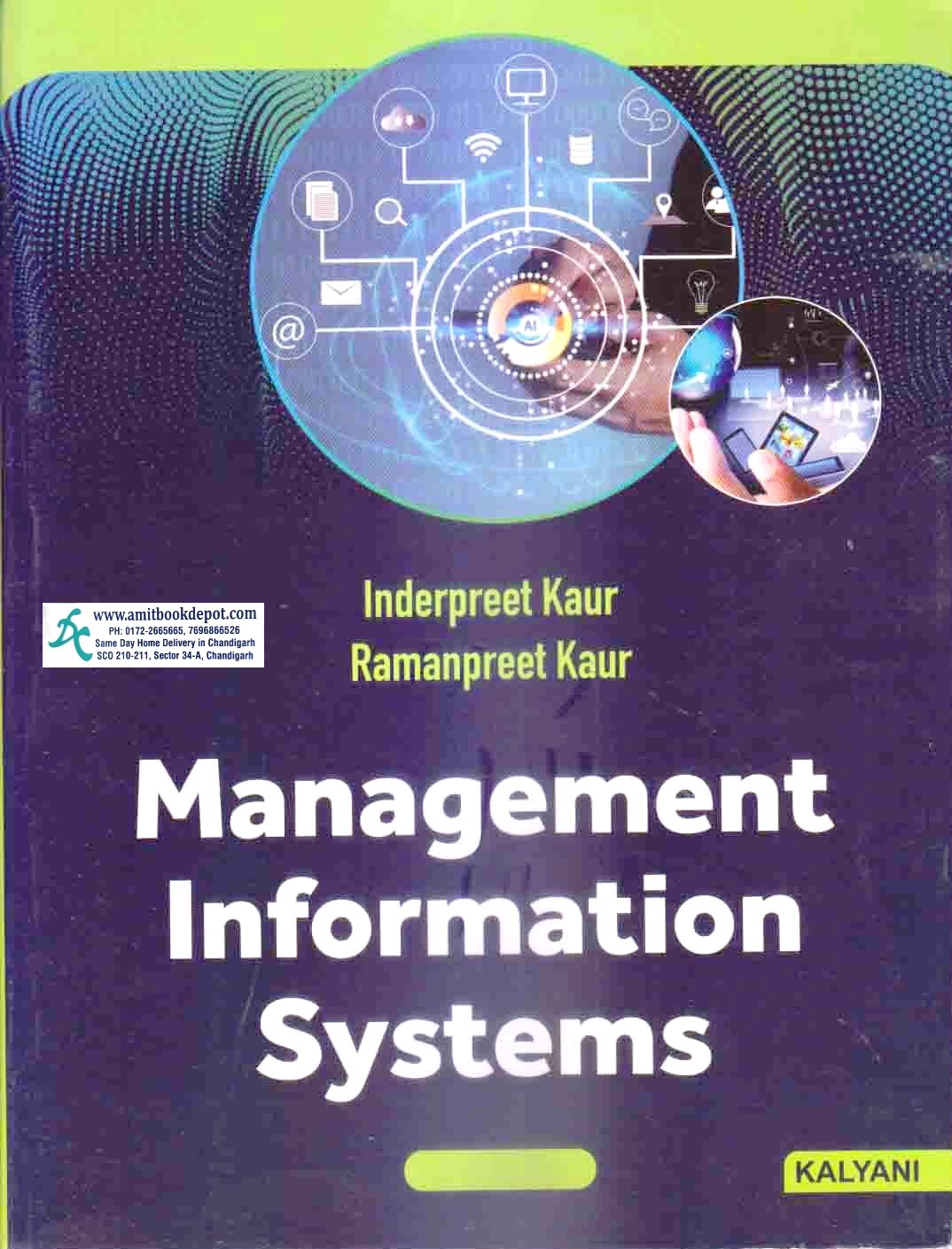
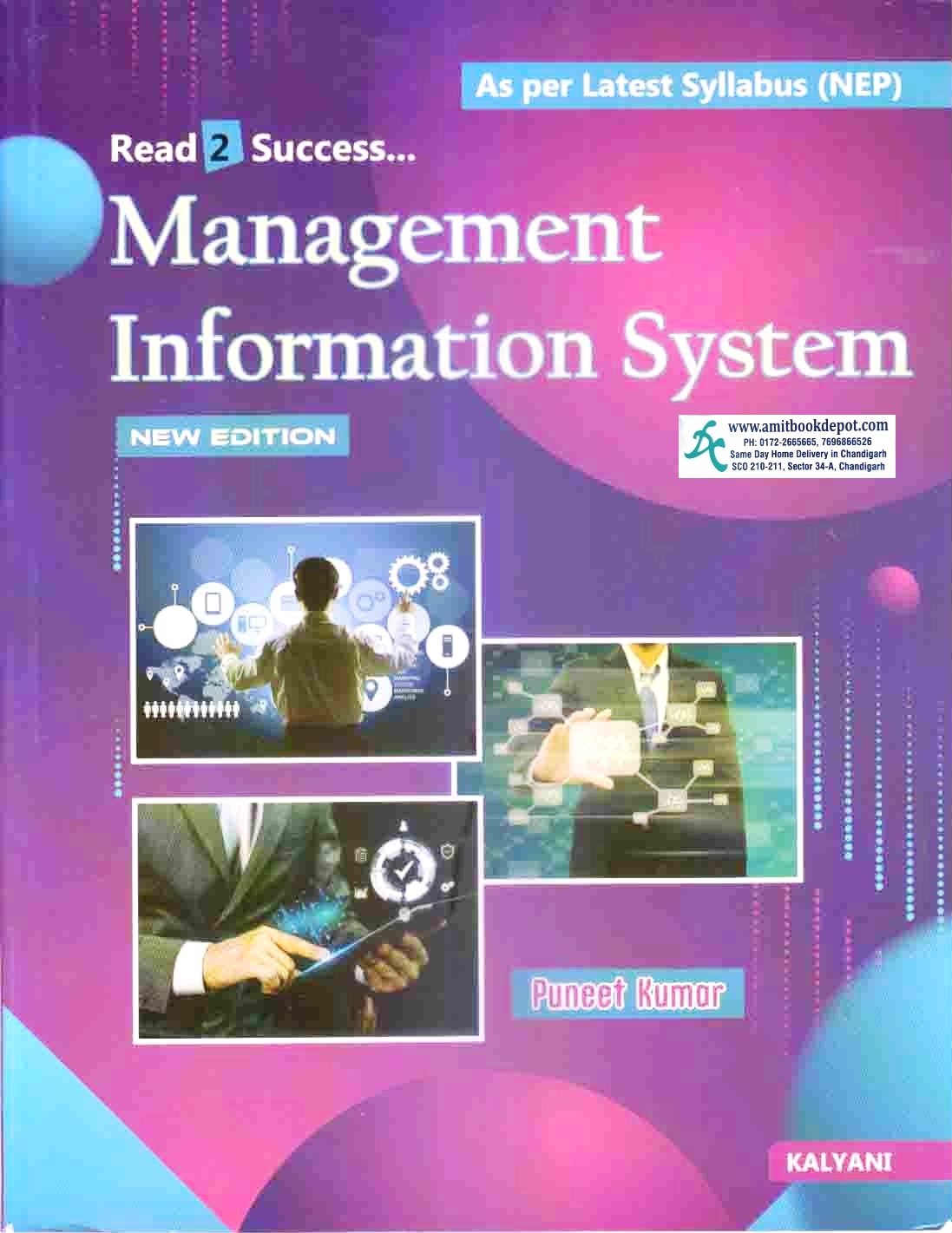
Yes, this textbook is meticulously crafted to cover 100% of the prescribed syllabus for Paper Code BCA-204, including all four units and their specific objectives.
Absolutely. Unit II of the book provides a detailed framework for understanding MIS, including Simon’s model and a clear distinction between structured vs. unstructured and formal vs. informal systems.
Unit IV offers a dedicated study of Functional MIS, with detailed chapters on Personnel MIS, Financial MIS, and Production MIS, explaining their role and application in organizations.
Yes, the book includes a comprehensive chapter introducing E-Business Systems and E-Commerce, covering relevant technologies and applications as per the syllabus.
Yes, the content is designed to imbibe theoretical knowledge and develop data analyzing skills to evaluate information and processing tools, aligning directly with the course objectives.
This book is designed as a comprehensive, self-contained guide tailored to the syllabus. It is sufficient for thorough exam preparation, though students may refer to other sources for further practice.
The book is written in a clear, structured, and student-friendly manner, progressing logically from basic concepts to advanced topics for easy comprehension.
Definitely. The first unit establishes a strong foundational understanding of systems, information types, and the role of information in decision-making, which is crucial for advanced topics.
Yes, through the detailed study of Functional MIS and contemporary topics like E-Business, the book connects theoretical concepts to their practical business applications.
Yes, the clear explanations of concepts, frameworks, and system development life cycles provide a strong foundation for internal assessments, projects, and assignments.
No Description Added
Yes, this textbook is meticulously crafted to cover 100% of the prescribed syllabus for Paper Code BCA-204, including all four units and their specific objectives.
Absolutely. Unit II of the book provides a detailed framework for understanding MIS, including Simon’s model and a clear distinction between structured vs. unstructured and formal vs. informal systems.
Unit IV offers a dedicated study of Functional MIS, with detailed chapters on Personnel MIS, Financial MIS, and Production MIS, explaining their role and application in organizations.
Yes, the book includes a comprehensive chapter introducing E-Business Systems and E-Commerce, covering relevant technologies and applications as per the syllabus.
Yes, the content is designed to imbibe theoretical knowledge and develop data analyzing skills to evaluate information and processing tools, aligning directly with the course objectives.
This book is designed as a comprehensive, self-contained guide tailored to the syllabus. It is sufficient for thorough exam preparation, though students may refer to other sources for further practice.
The book is written in a clear, structured, and student-friendly manner, progressing logically from basic concepts to advanced topics for easy comprehension.
Definitely. The first unit establishes a strong foundational understanding of systems, information types, and the role of information in decision-making, which is crucial for advanced topics.
Yes, through the detailed study of Functional MIS and contemporary topics like E-Business, the book connects theoretical concepts to their practical business applications.
Yes, the clear explanations of concepts, frameworks, and system development life cycles provide a strong foundation for internal assessments, projects, and assignments.