-
Mon-Fri: 10AM to 8PM 01722665665
-
My Account
-
-
0
Total :
₹ 0.00

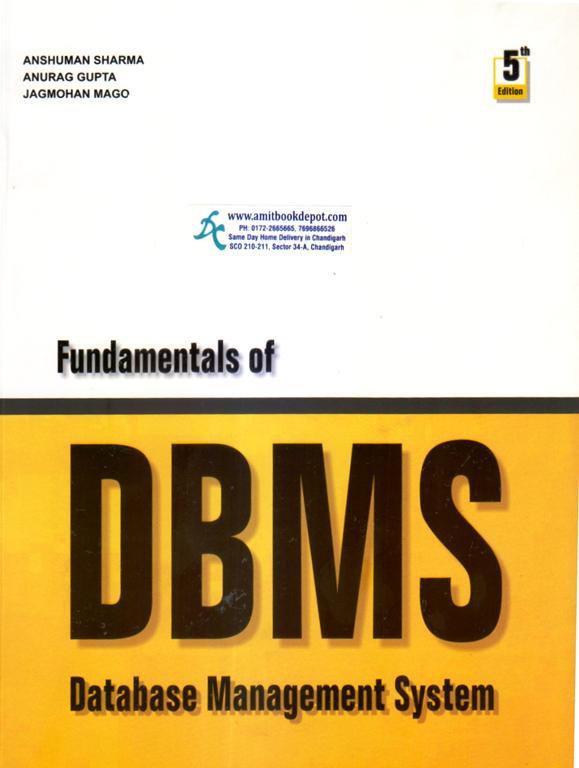
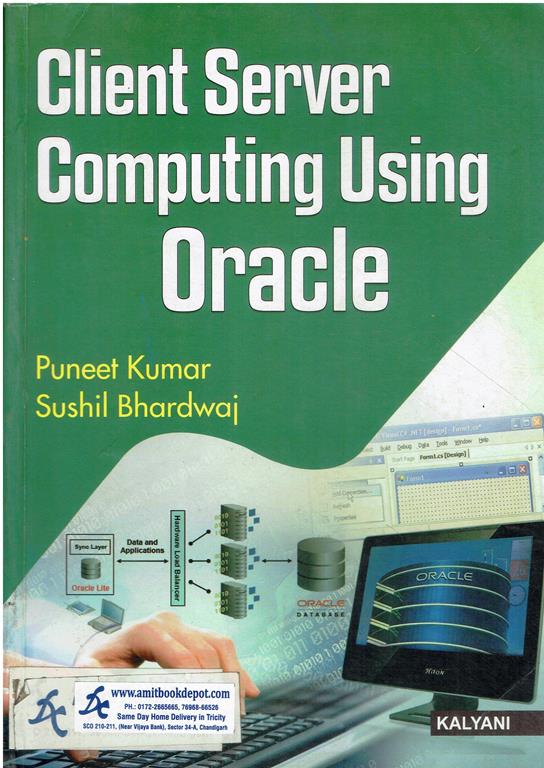
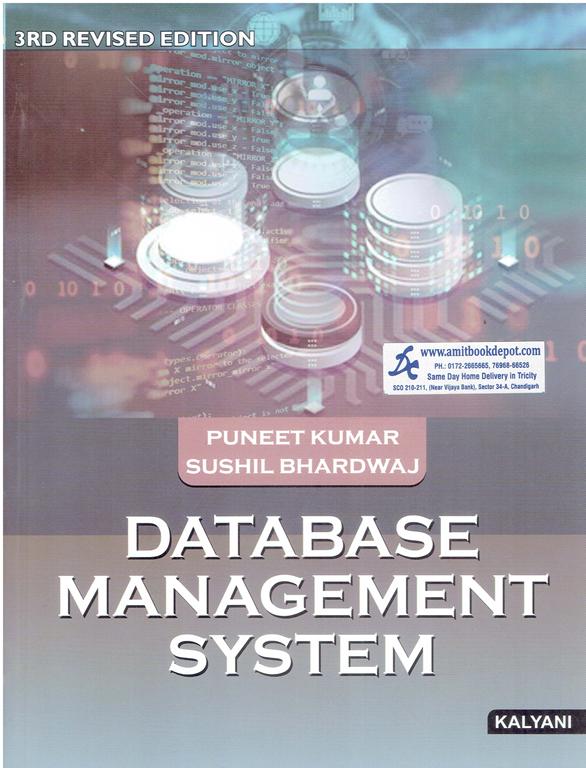
It is strictly mapped to Panjab University, Chandigarh syllabus, covering ER Model, Normalisation, SQL, PL/SQL, and Oracle utilities as per PU examination pattern.
Yes. Chapters 5 (Relational Algebra/Calculus) and 12-14 (SQL Fundamentals I-III) provide theory-to-practice linkage for query writing and optimization.
Yes. Chapter 7 includes ACID properties, locking protocols, timestamp methods, and deadlock handling with real-world transaction scenarios.
Chapter 8 covers log-based recovery, deferred and immediate updates, checkpoints, and ARIES algorithm fundamentals for system failure handling.
Yes. Chapters 18 to 23 introduce PL/SQL blocks, control structures, exceptions, cursors, procedures, functions, packages, and triggers sequentially.
Chapter 6 details 1NF, 2NF, 3NF, BCNF, 4NF, and 5NF with decomposition algorithms and dependency preservation examples.
Yes. Chapter 24 "Leftovers" covers Oracle utilities (SQL*Loader, Export/Import) and object-oriented features like REF and VARRAY.
Chapter 16 provides creation, modification, and dropping of views, sequences, indexes, and synonyms with performance implications.
Chapter 23 explains row-level, statement-level, BEFORE/AFTER triggers, trigger limitations, and real-world auditing examples.
Chapter 21 covers implicit, explicit, parameterized cursors, cursor FOR loops, and REF cursors for multi-row processing.
No Description Added
It is strictly mapped to Panjab University, Chandigarh syllabus, covering ER Model, Normalisation, SQL, PL/SQL, and Oracle utilities as per PU examination pattern.
Yes. Chapters 5 (Relational Algebra/Calculus) and 12-14 (SQL Fundamentals I-III) provide theory-to-practice linkage for query writing and optimization.
Yes. Chapter 7 includes ACID properties, locking protocols, timestamp methods, and deadlock handling with real-world transaction scenarios.
Chapter 8 covers log-based recovery, deferred and immediate updates, checkpoints, and ARIES algorithm fundamentals for system failure handling.
Yes. Chapters 18 to 23 introduce PL/SQL blocks, control structures, exceptions, cursors, procedures, functions, packages, and triggers sequentially.
Chapter 6 details 1NF, 2NF, 3NF, BCNF, 4NF, and 5NF with decomposition algorithms and dependency preservation examples.
Yes. Chapter 24 "Leftovers" covers Oracle utilities (SQL*Loader, Export/Import) and object-oriented features like REF and VARRAY.
Chapter 16 provides creation, modification, and dropping of views, sequences, indexes, and synonyms with performance implications.
Chapter 23 explains row-level, statement-level, BEFORE/AFTER triggers, trigger limitations, and real-world auditing examples.
Chapter 21 covers implicit, explicit, parameterized cursors, cursor FOR loops, and REF cursors for multi-row processing.