-
Mon-Fri: 10AM to 8PM 01722665665
-
My Account
-
-
0
Total :
₹ 0.00

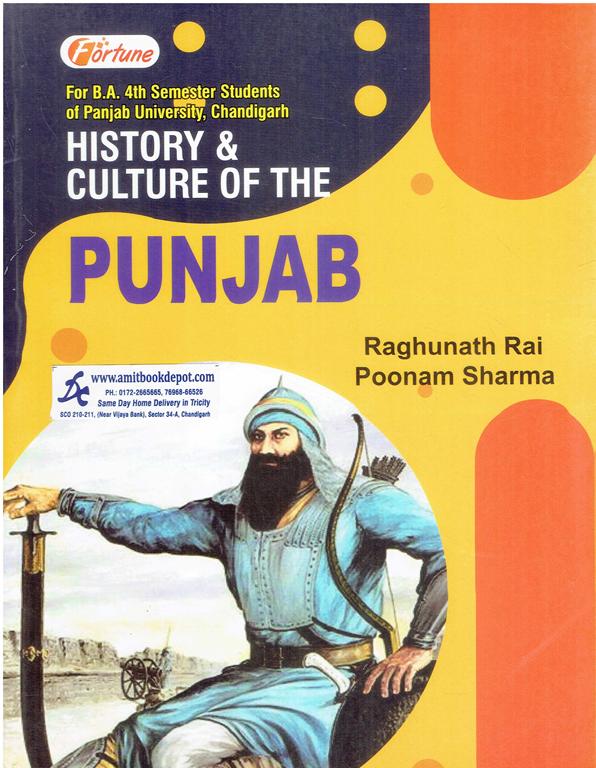
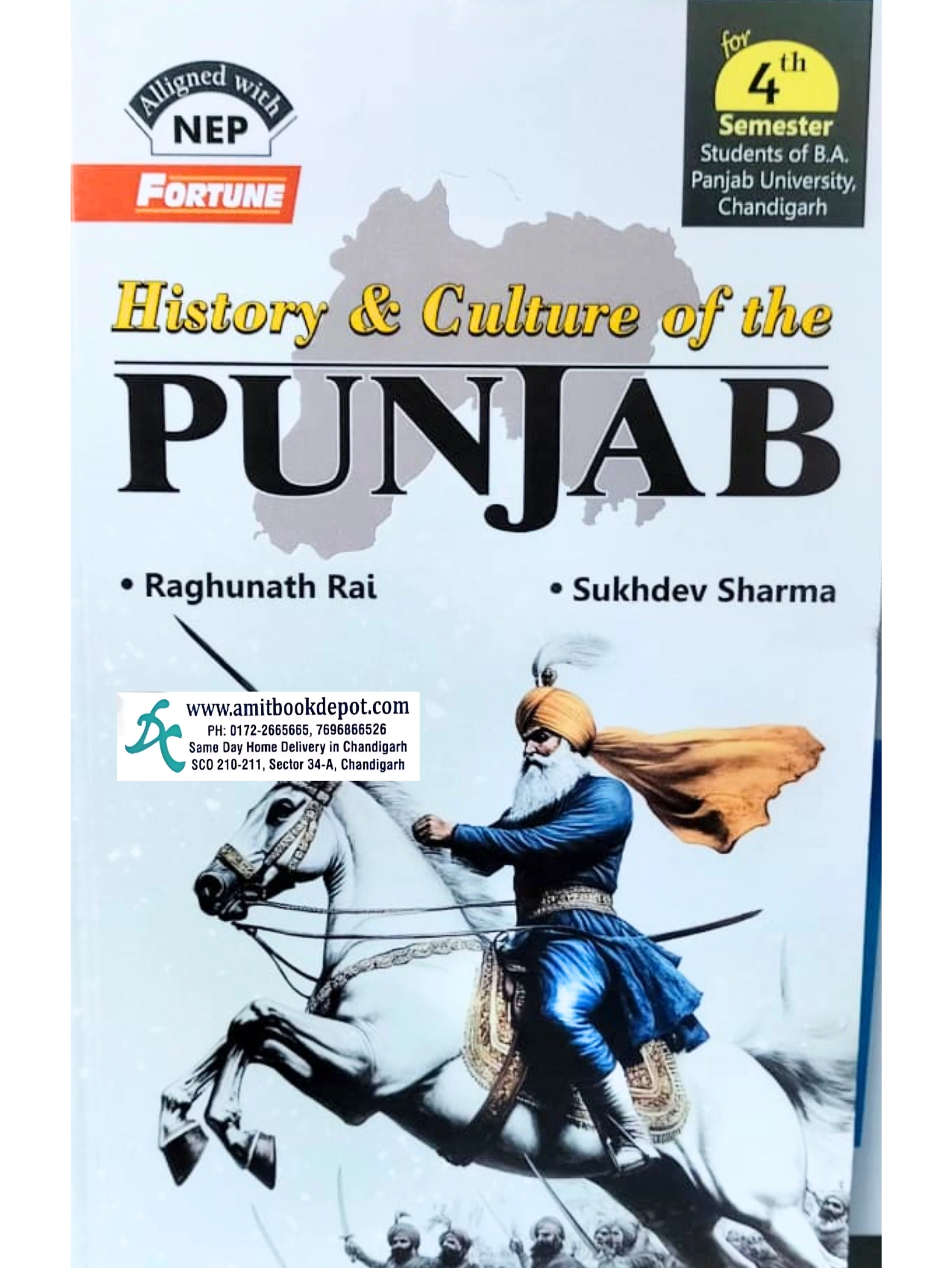


Banda Singh Bahadur (1670–1716) was a Sikh military commander who established Sikh rule in Punjab. His achievements included capturing large territories including Sirhind, abolishing the Zamindari system, granting land rights to peasants, and minting coins in the names of Guru Nanak and Guru Gobind Singh.
Dal Khalsa was the unified military force of the Sikh community formed in 1748. It comprised eleven misls organized under a supreme command. The Dal Khalsa conducted coordinated campaigns against Afghan invaders and Mughal forces, protecting the Sikh population and expanding Sikh influence across Punjab.
Rakhi was a protection levy system where Sikh misls offered safeguarding villages from external invasions in exchange for one-fifth of the revenue. It established de facto Sikh authority in rural Punjab without formal administration, gradually replacing Mughal and Afghan control with Sikh governance.
Misls were twelve sovereign Sikh principalities operating as confederacies. Each Misl had its own leader (Sardar), territory, and army. They collaborated through Dal Khalsa and Gurmatta while maintaining internal autonomy. Major Misls included Bhangi, Ahluwalia, Ramgarhia, Kanheya, and Sukkerchakia.
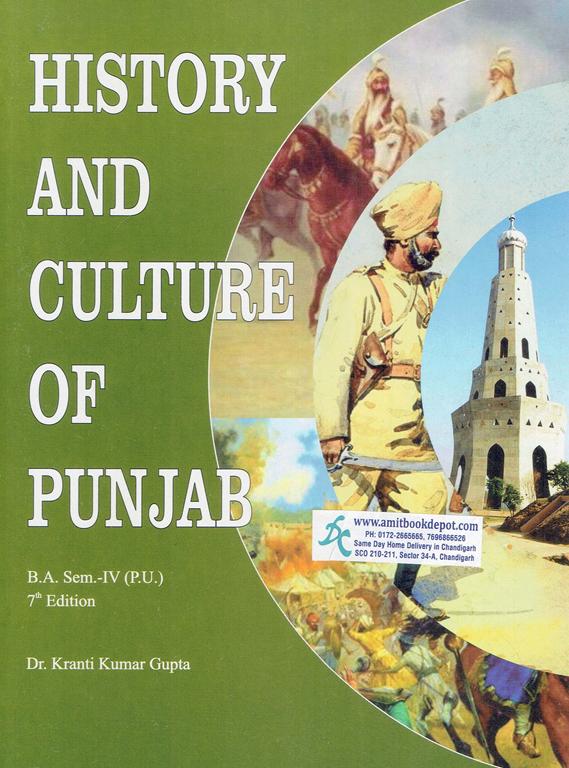
Ranjit Singh succeeded his father as Sukkerchakia Misl leader in 1792. He captured Lahore in 1799, united warring misls, and proclaimed himself Maharaja in 1801. Through strategic marriages, diplomatic alliances, and military campaigns, he consolidated territories from the Sutlej to Peshawar, establishing the Sikh Empire.
Ranjit Singh's civil administration included division of empire into provinces (parganas) under nazims, revenue collection through kardars, a standardized currency (Nanak Shahi coins), secular appointments of Hindus and Muslims, and the Gurmata system replaced with centralized monarchy while retaining local customary laws.
Ranjit Singh maintained diplomatic relations with the British through the Treaty of Amritsar (1809), establishing the Sutlej River as the boundary of his empire. This non-aggression pact allowed him to expand northwest while the British consolidated south of the Sutlej, ensuring peace for four decades.
Causes included British annexation of Sindh (1843) increasing Sikh insecurity, the unruly Sikh army (Khalsa) after Ranjit Singh's death, British military preparations on the Sutlej, Peshawar's abandonment treaty violation, and the Lahore Durbar's internal weakness leading to preemptive war declaration.
The war resulted in complete British victory, annexation of Punjab on March 29, 1849, deposition of Maharaja Duleep Singh, confiscation of the Koh-i-Noor diamond, dissolution of the Sikh army, and establishment of the British Board of Administration under the Dalhousie policy.
This period witnessed the composition of Suraj Prakash by Bhai Santokh Singh, Guru Kian Sakhian, and the expansion of Punjabi prose. Sufi poetry flourished through Bulleh Shah and Waris Shah's Heer, while Sikh literature included Gurbilas texts and historical chronicles called Rahitnamas.
No Description Added
Banda Singh Bahadur (1670–1716) was a Sikh military commander who established Sikh rule in Punjab. His achievements included capturing large territories including Sirhind, abolishing the Zamindari system, granting land rights to peasants, and minting coins in the names of Guru Nanak and Guru Gobind Singh.
Dal Khalsa was the unified military force of the Sikh community formed in 1748. It comprised eleven misls organized under a supreme command. The Dal Khalsa conducted coordinated campaigns against Afghan invaders and Mughal forces, protecting the Sikh population and expanding Sikh influence across Punjab.
Rakhi was a protection levy system where Sikh misls offered safeguarding villages from external invasions in exchange for one-fifth of the revenue. It established de facto Sikh authority in rural Punjab without formal administration, gradually replacing Mughal and Afghan control with Sikh governance.
Misls were twelve sovereign Sikh principalities operating as confederacies. Each Misl had its own leader (Sardar), territory, and army. They collaborated through Dal Khalsa and Gurmatta while maintaining internal autonomy. Major Misls included Bhangi, Ahluwalia, Ramgarhia, Kanheya, and Sukkerchakia.
Ranjit Singh succeeded his father as Sukkerchakia Misl leader in 1792. He captured Lahore in 1799, united warring misls, and proclaimed himself Maharaja in 1801. Through strategic marriages, diplomatic alliances, and military campaigns, he consolidated territories from the Sutlej to Peshawar, establishing the Sikh Empire.
Ranjit Singh's civil administration included division of empire into provinces (parganas) under nazims, revenue collection through kardars, a standardized currency (Nanak Shahi coins), secular appointments of Hindus and Muslims, and the Gurmata system replaced with centralized monarchy while retaining local customary laws.
Ranjit Singh maintained diplomatic relations with the British through the Treaty of Amritsar (1809), establishing the Sutlej River as the boundary of his empire. This non-aggression pact allowed him to expand northwest while the British consolidated south of the Sutlej, ensuring peace for four decades.
Causes included British annexation of Sindh (1843) increasing Sikh insecurity, the unruly Sikh army (Khalsa) after Ranjit Singh's death, British military preparations on the Sutlej, Peshawar's abandonment treaty violation, and the Lahore Durbar's internal weakness leading to preemptive war declaration.
The war resulted in complete British victory, annexation of Punjab on March 29, 1849, deposition of Maharaja Duleep Singh, confiscation of the Koh-i-Noor diamond, dissolution of the Sikh army, and establishment of the British Board of Administration under the Dalhousie policy.
This period witnessed the composition of Suraj Prakash by Bhai Santokh Singh, Guru Kian Sakhian, and the expansion of Punjabi prose. Sufi poetry flourished through Bulleh Shah and Waris Shah's Heer, while Sikh literature included Gurbilas texts and historical chronicles called Rahitnamas.